
On August 20, parts of southwestern Nigeria come alive with colours, music, traditional attire and cultural displays as communities mark Ìṣẹ̀ṣe Day, a celebration that looks to the past not to remain there, but to preserve the heritage that shaped generations.
Rooted in Yoruba tradition, spirituality, identity and ancestral heritage, Ìṣẹ̀ṣe broadly refers to tradition. The day offers adherents of the Yoruba traditional religion an opportunity to honour their deities and ancestors while reaffirming cultural values passed down through generations.
Although Ìṣẹ̀ṣe Day began primarily as a religious observance, it has increasingly developed into a broader expression of cultural identity, with significant possibilities for tourism, creative industries, cultural preservation and economic development.
From Ancient Tradition to Modern Recognition
Yoruba traditional religion existed long before Christianity and Islam spread across Yorubaland. Its worldview centres on the relationship between the Supreme Being, the Òrìṣà, ancestors, humanity and the natural world.
However, the formal recognition of August 20 as Ìṣẹ̀ṣe Day is relatively recent. Osun State was among the pioneers in officially recognising the day, with other states in southwestern Nigeria later adopting similar measures.
Lagos, Ogun, Osun and Oyo have recognised August 20 in different forms over the years, including public-holiday declarations at various times. In 2025, the Lagos State House of Assembly also formally recognised August 20 as an annual Ìṣẹ̀ṣe Day.
For 2026, available holiday listings identify Ogun, Osun and Oyo as states observing August 20 as a regional holiday, while the situation in Lagos differs from the annual state-government holiday declarations.
The importance of Ìṣẹ̀ṣe Day, therefore, extends beyond whether it provides workers with a day off. At its heart is the recognition and preservation of an ancient belief system and cultural heritage within contemporary Nigeria.
Rituals, Music and Cultural Expression
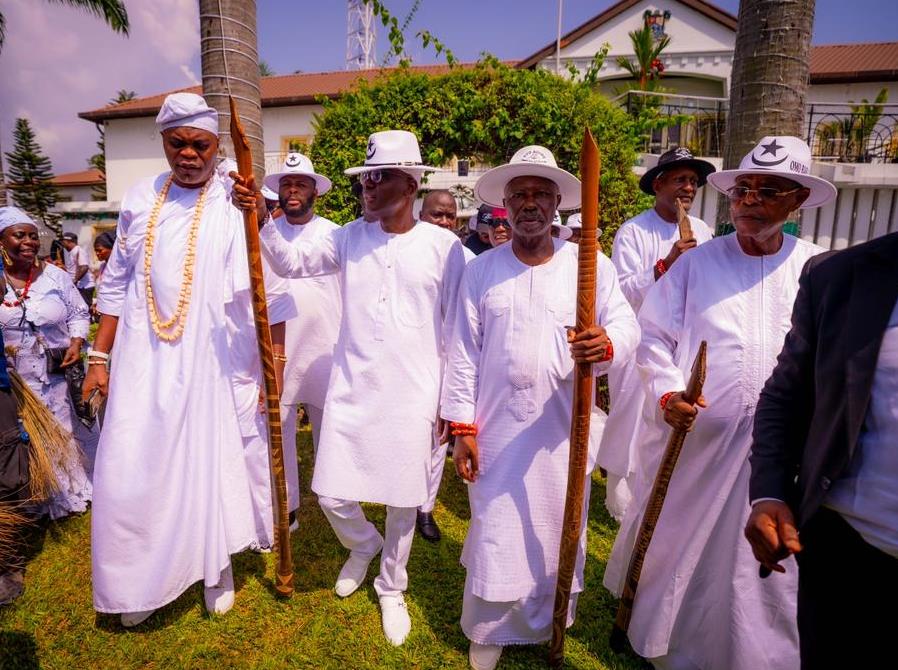
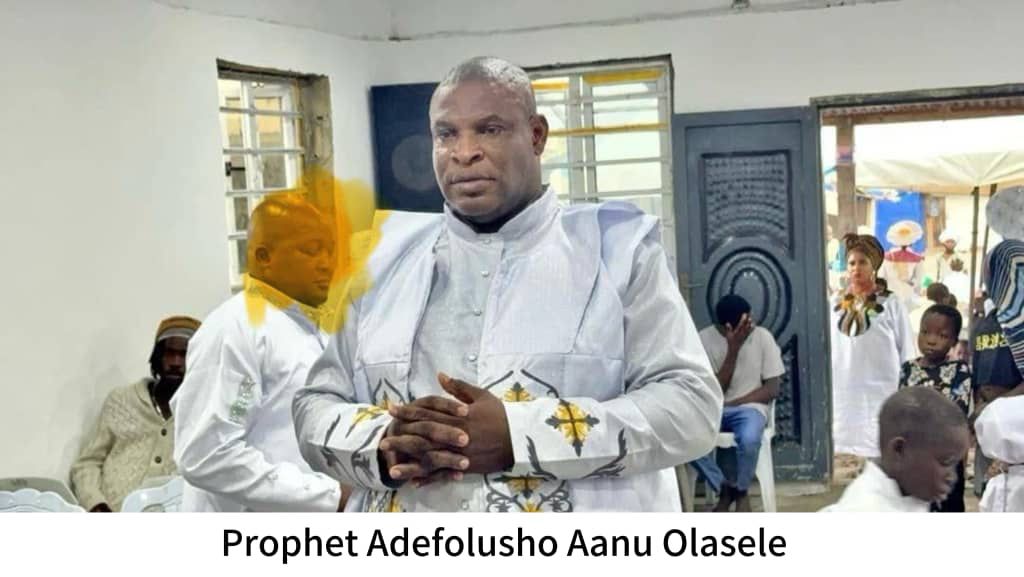
Ìṣẹ̀ṣe celebrations vary from one community and tradition to another. Activities may include prayers, traditional chants, drumming, dancing, processions, consultations with Ifá priests, offerings and other religious rites connected to particular deities or traditions.
The Yoruba spiritual tradition recognises revered Òrìṣà including Ọ̀ṣun, Ṣàngó, Ògún, Ọ̀bàtálá and Èṣù. Ifá divination, associated with Òrúnmìlà, also remains an important spiritual and intellectual tradition.
Celebrations can take place at shrines, sacred groves, rivers, traditional palaces and other culturally significant locations. Traditional priests and priestesses, chiefs, devotees and representatives of traditional institutions often play central roles in these activities.
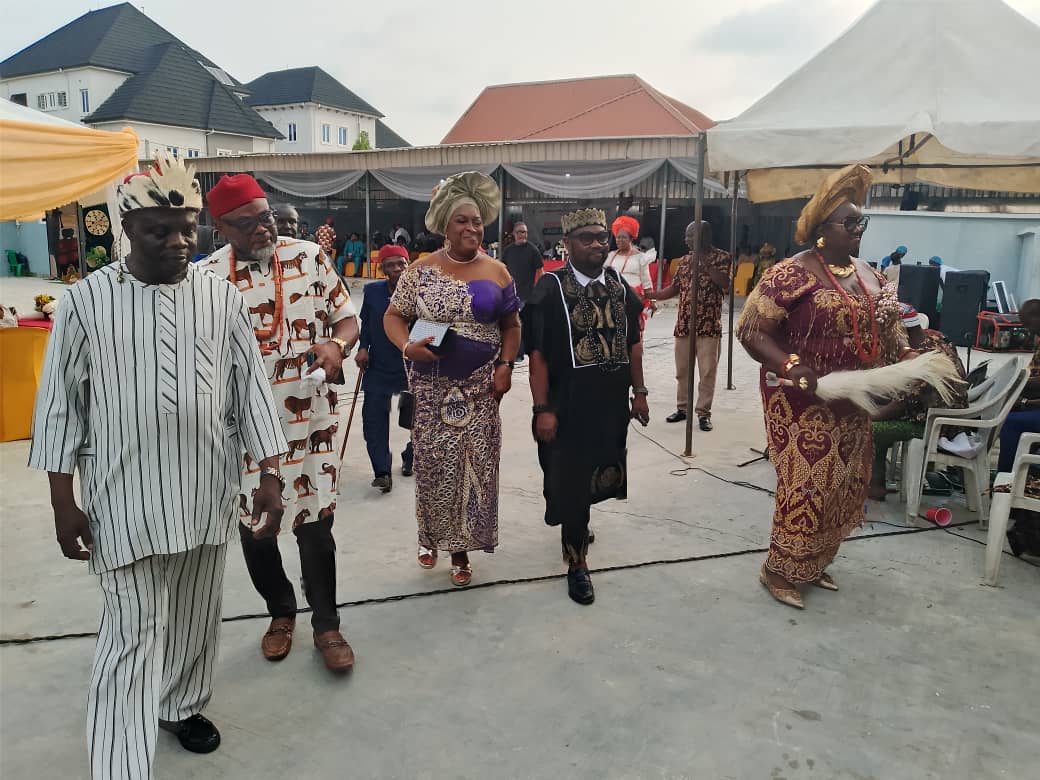
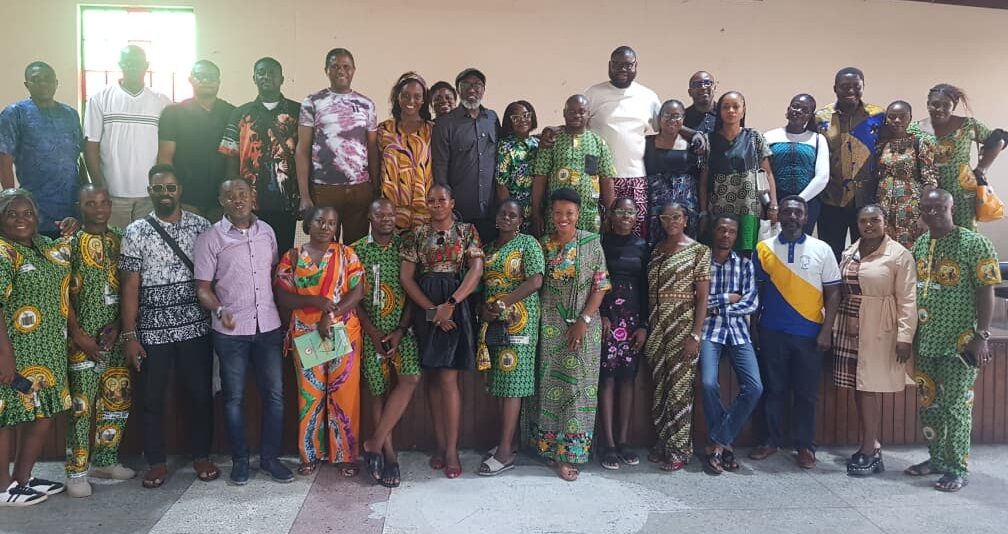
The visual and artistic elements are equally significant. White, red, black and other culturally meaningful colours may feature in traditional dressing, while talking drums, praise poetry, indigenous songs, dancing, masquerades and elaborate Yoruba attire contribute to the atmosphere of the celebrations.
Yet beneath the music, dancing and pageantry lies a deeper objective: continuity.
A tradition remains alive when it is practised, transmitted to younger generations and treated with respect.
Why Ìṣẹ̀ṣe Matters to Yoruba Identity
For many adherents, Ìṣẹ̀ṣe represents more than an annual festival. It provides a connection between present generations and those who came before them.
Through the celebration, elements of Yoruba heritage including oral history, indigenous language, traditional knowledge, music, fashion, philosophy, folklore, craftsmanship and communal values continue to be preserved.
It also helps sustain the knowledge held by traditional priests and priestesses, drummers, artisans, historians and custodians of sacred places, as well as the traditional institutions associated with them.
That role becomes increasingly important as globalisation continues to influence cultural identities and lifestyles.
For a young Yoruba person, hearing an elder explain an ancestral proverb, learning a traditional song, observing a procession or visiting a sacred site can provide an experience that digital platforms cannot fully reproduce. It is an encounter with living heritage.
That heritage also extends beyond Nigeria.
UNESCO describes the Osun-Osogbo Sacred Grove as one of the last remaining sacred groves of its kind in Yorubaland and an important symbol of Yoruba identity. The site contains shrines, sculptures, sacred spaces and places of worship and continues to serve an active religious purpose.
The UNESCO-recognised Gẹ̀lẹ̀dẹ́ oral heritage similarly demonstrates the cross-border nature of Yoruba cultural traditions, extending across Nigeria, Benin and Togo.
Ìṣẹ̀ṣe and the Untapped Tourism Opportunity
Beyond its religious and cultural importance, Ìṣẹ̀ṣe presents an opportunity for Nigeria to develop a stronger cultural tourism industry.
A well-organised annual tourism circuit could connect destinations such as Osun-Osogbo, Ile-Ife, Oyo, Abeokuta, Lagos, Badagry and other historically important Yoruba communities.
Such a circuit could give visitors opportunities to experience traditional music, food, fashion, arts and crafts, storytelling, palace histories, indigenous architecture, festivals and guided tours of heritage locations.
Osun-Osogbo already provides an example of the potential. Its sacred grove enjoys international recognition, while the annual festival attracts visitors and strengthens connections between Yoruba communities in Nigeria and members of the diaspora.
UNESCO notes that the site has become a place of pilgrimage and a symbol of identity for Yoruba people and their descendants around the world.
With investment in accommodation, transportation, security, professional tour guides, digital marketing, museums, cultural centres, local cuisine, handicrafts and event management, Ìṣẹ̀ṣe-related tourism could generate opportunities for young people and create income for hotels, restaurants, transport operators, artisans, entertainers and other local businesses.
The broader tourism industry also demonstrates the potential of the sector. The Federal Government said tourism contributed about $17.3 billion, representing 3.65 per cent of Nigeria’s GDP, in 2022.
This suggests that cultural celebrations such as Ìṣẹ̀ṣe could become part of a wider strategy for turning Nigeria’s heritage into sustainable economic opportunities.
Preserving Heritage Without Freezing It in Time
There is also a strong cultural case for recognising and preserving Ìṣẹ̀ṣe.
Societies often protect the traditions, places and institutions that tell their stories. In Yorubaland, traditional rulers, sacred sites, ancestral histories, festivals, praise poetry, indigenous spirituality and communal rituals form part of a heritage that has survived colonialism, religious transformation and years of cultural change.
Formal recognition gives traditional institutions and adherents greater space to preserve this heritage and pass it on with dignity.
However, preservation does not necessarily mean keeping tradition unchanged.
One of the major challenges is finding a balance between maintaining authenticity and making cultural celebrations accessible, organised and engaging for younger people and international visitors.
That could involve providing context and explanations around rituals instead of simply presenting them as spectacles. Sacred areas can be protected while separate spaces are created for visitors to observe cultural performances.
Heritage sites must also be protected from excessive crowds and uncontrolled commercialisation. UNESCO has previously highlighted such concerns in relation to the Osun-Osogbo Sacred Grove.
The Religious Controversy
Despite its cultural and tourism possibilities, Ìṣẹ̀ṣe Day remains part of Nigeria’s wider religious conversation.
The celebration has attracted opposition from some sections of the country’s Christian and Muslim communities, with critics characterising aspects of traditional worship as paganism or as incompatible with their religious beliefs.
This creates an important question for the future of Ìṣẹ̀ṣe: Can the celebration be presented to Nigerians and international visitors as an expression of heritage, spirituality, history and culture without being perceived as a threat to other faiths?
How that question is answered will depend significantly on the custodians and adherents of the tradition.
For Ìṣẹ̀ṣe to develop into a major international cultural attraction, its custodians will need to demonstrate that its practices can exist peacefully within Nigeria’s religious diversity. At the same time, the celebration can be presented in ways that educate and inform visitors while respecting the sacred character of the traditions involved.
The goal should not be to dilute the spiritual meaning of Ìṣẹ̀ṣe, but to help outsiders understand its historical and cultural significance without compromising what makes it sacred to its adherents.
Beyond the Celebration
The significance of August 20 ultimately goes beyond shrines, chants, traditional clothing, music and rituals.
Ìṣẹ̀ṣe Day represents an opportunity to examine how an ancient Yoruba tradition can remain relevant in a rapidly changing society while contributing to cultural preservation, tourism and economic activity.
If properly developed, the celebration could provide a platform for young people to engage with indigenous culture, create opportunities for artisans and creative professionals, attract visitors and strengthen connections between Nigeria and the global Yoruba diaspora.
The larger question is whether August 20 can evolve into a moment when the world looks more closely at one of Africa’s enduring living traditions, not simply as a religious practice, but as a heritage with history, meaning, cultural value and tourism potential.
Stay informed with the latest news, stories and updates from Nigeria and beyond. Visit LouisaOlaniyi.com.ng for more timely reports, insightful stories and updates on the issues that matter to you.