
The Federal Government has commenced the implementation of key welfare components contained in its renegotiated agreement with the Academic Staff Union of Universities (ASUU), including salary-related allowances, and has directed full compliance across federal universities.
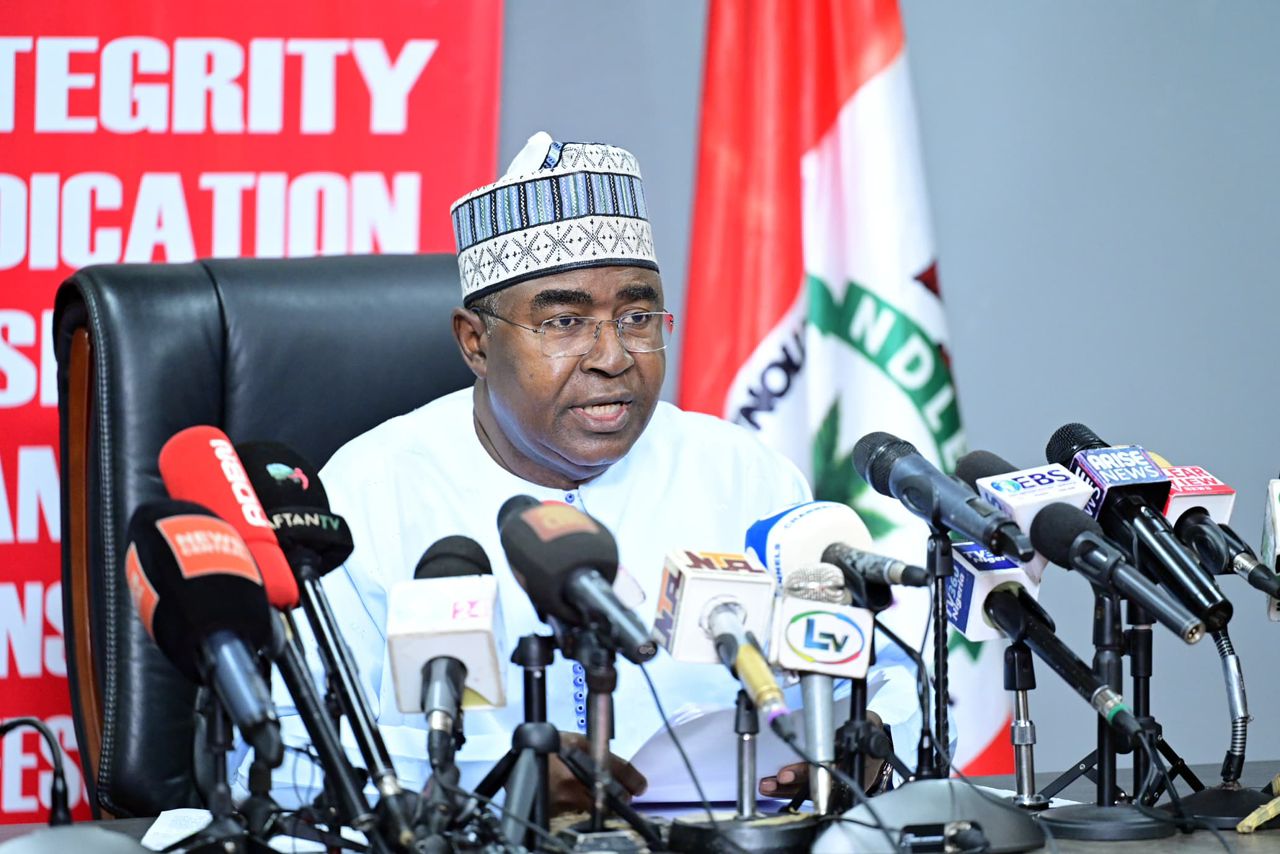
This was disclosed in a statement issued on Monday by the Director of Press and Public Relations at the Federal Ministry of Education, Boriowo Folasade. The ministry said the move underscores President Bola Tinubu’s commitment to agreements reached with education sector stakeholders and to maintaining industrial harmony within public universities.
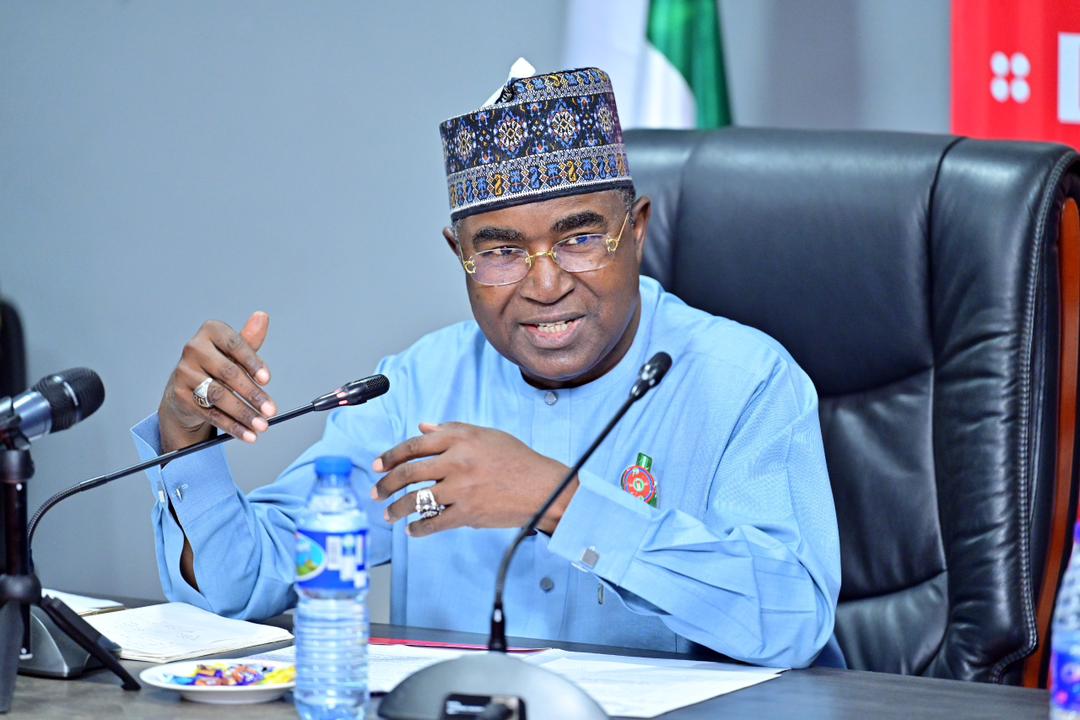
According to the statement, the Minister of Education, Dr Tunji Alausa, announced that the Federal Government has begun implementing a 40 per cent increase in the Consolidated Academic Allowance (CAA) for ASUU members, with effect from January 1, 2026.
The ministry confirmed that the approved increase is already being reflected in salary payments in some federal universities. It added that measures were underway to ensure uniform implementation nationwide, with all institutions formally instructed to integrate the increment into their payroll systems so that eligible academic staff benefit accordingly.
“The Honourable Minister of Education, Dr Maruf Alausa, has announced that the Federal Government has fulfilled its obligation to implement the 40 per cent increase in the Consolidated Academic Allowance for ASUU members, with effect from 1st January 2026, in line with the agreement reached with the union,” the statement said.
“Some federal universities have already begun reflecting the approved increase in their salary payments. To ensure uniform implementation nationwide, all Federal Universities are being formally notified to fully cascade the approved increment across their institutions and integrate it into their payroll structures so that all eligible academic staff benefit accordingly,” it added.
Alausa also directed vice chancellors to ensure strict adherence to the approved framework for implementing the Consolidated Academic Tools Allowance (CATA). He emphasised the need for prudent financial management, urging university managements “to make judicious use of available resources to ensure the successful rollout of the allowance.”
ASUU Agreement Details and Salary Structure Breakdown
The minister further clarified that “the payment has already been captured and circularised by the National Salaries, Incomes and Wages Commission, and that its inclusion in the 2026 budget is a formal statutory process.” He called on university authorities to take proactive steps to facilitate prompt payment in line with NSIWC guidelines.
According to him, “timely implementation of both the CAA increase and CATA will strengthen the academic environment, enhance staff morale, and support improved outcomes in teaching, research, and learning across Nigerian universities.”
The Federal Government reiterated its resolve to honour agreements with stakeholders in the education sector, reaffirming its commitment to constructive engagement, transparency and the continuous improvement of quality education nationwide.
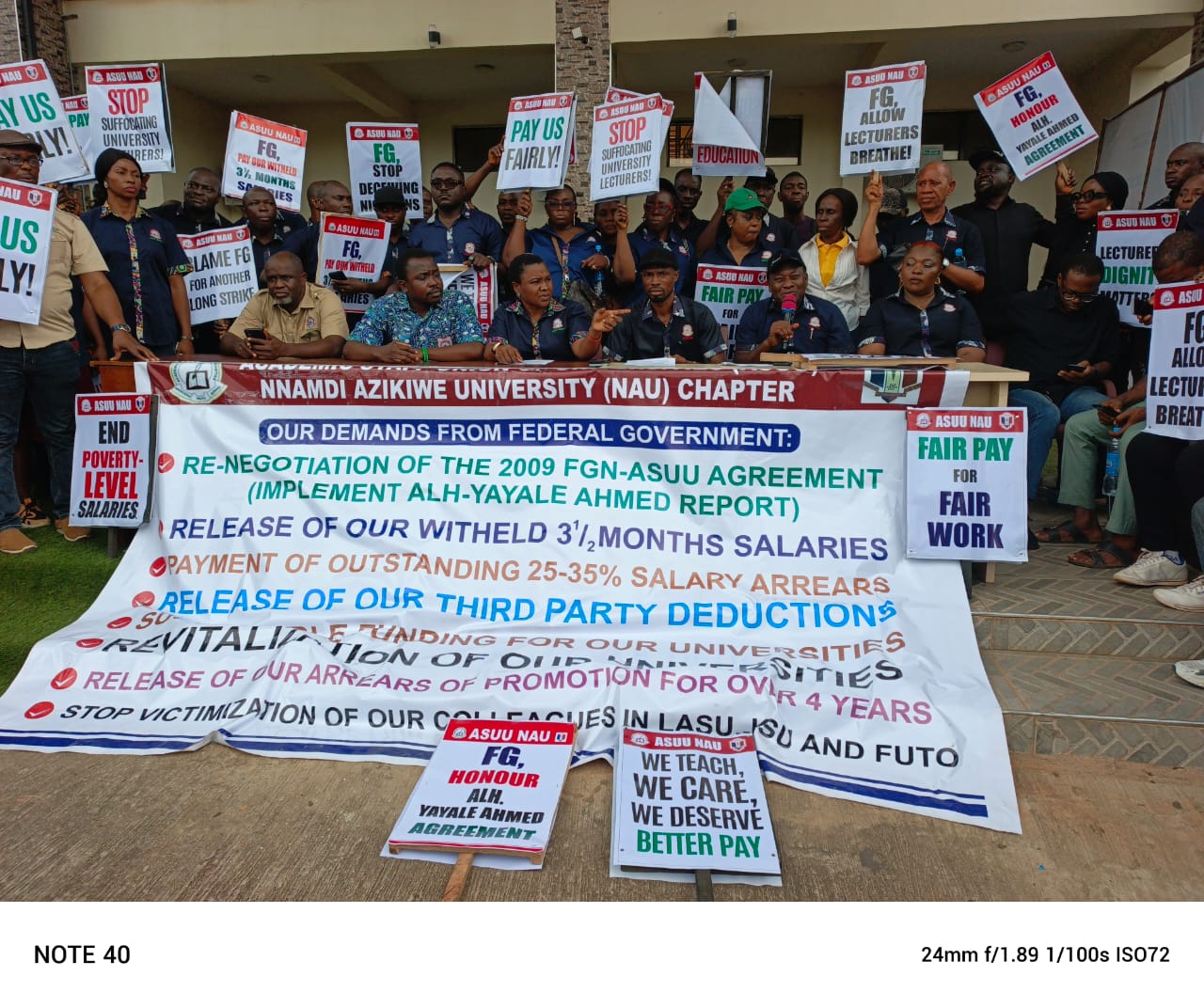
Last month, the Federal Government and ASUU unveiled a renegotiated agreement aimed at resolving long-standing disputes in Nigeria’s tertiary education sector. The 2025 agreement marked the conclusion of a renegotiation process that began in 2017 to review the 2009 FG–ASUU pact, which was originally due for revision in 2012.
Several committees established by previous administrations, chaired by Wale Babalakin, Munzali Jibrin and Nimi Briggs, were unable to deliver a final agreement. Progress was eventually achieved under the current administration with the inauguration of the Yayale Ahmed-led renegotiation committee in October 2024.
About 14 months later, an agreement was reached, focusing on improved conditions of service, funding, university autonomy, academic freedom and broader reforms aimed at reversing sectoral decay, curbing brain drain and repositioning Nigerian universities for national development.
A key provision of the agreement is the upward review of academic staff remuneration in federal universities by 40 per cent, effective January 1, 2026. Under the new structure, salaries will comprise the Consolidated University Academic Staff Salary and a Consolidated Academic Tools Allowance, which accounts for the 40 per cent increment.
The tools allowance is intended to support core academic activities, including research, journal publications, conference participation, internet access, learned society membership and book procurement, with the broader goal of boosting productivity and reducing brain drain.
The agreement also restructures nine earned academic allowances to enhance transparency and fairness by linking payments strictly to duties performed. These include allowances for postgraduate supervision, fieldwork, clinical responsibilities, examination duties and leadership roles within the university system.
In addition, the Federal Government approved a new Professorial Cadre Allowance for senior academics for the first time. Under the provision, full-time Professors will receive ₦1.74 million annually, while Readers will earn ₦840,000 per annum, a measure described by the government as structural and transformative, aimed at recognising experience, enhancing dignity and strengthening the academic profession.