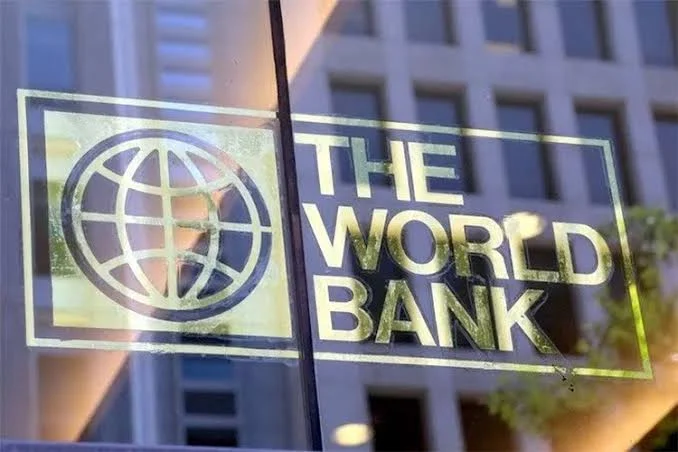
On inflation, the World Bank projected a decline from 23.0 per cent in 2025 to 15.7 per cent in 2026, with a further reduction to 12.2 per cent by 2028. It said lower inflation could improve household purchasing power and support poverty reduction.
However, the bank stressed that economic growth alone would not be sufficient to significantly reduce poverty, warning that rising incomes per person continued to lag behind overall economic expansion.
It further urged Nigeria to maintain fiscal discipline, protect central bank independence and avoid excessive monetary financing of government deficits to preserve economic stability.
The World Bank also raised its 2026 growth forecast for sub-Saharan Africa to 4.3 per cent, reflecting improved economic prospects across the region, while calling for greater investment in infrastructure, human capital, productivity and digital technologies.
The report emphasised that sustained reforms and increased private sector investment would be essential to translating economic growth into improved living standards and employment opportunities.
Source: Punch Newspapers (Odinaka Anudu and Sami Tunji), October 7, 2026.