
The National Information Technology Development Agency (NITDA) has urged stakeholders to invest in integrated digital systems that can give Nigerian farmers easier access to agricultural advice, market information and other essential services.
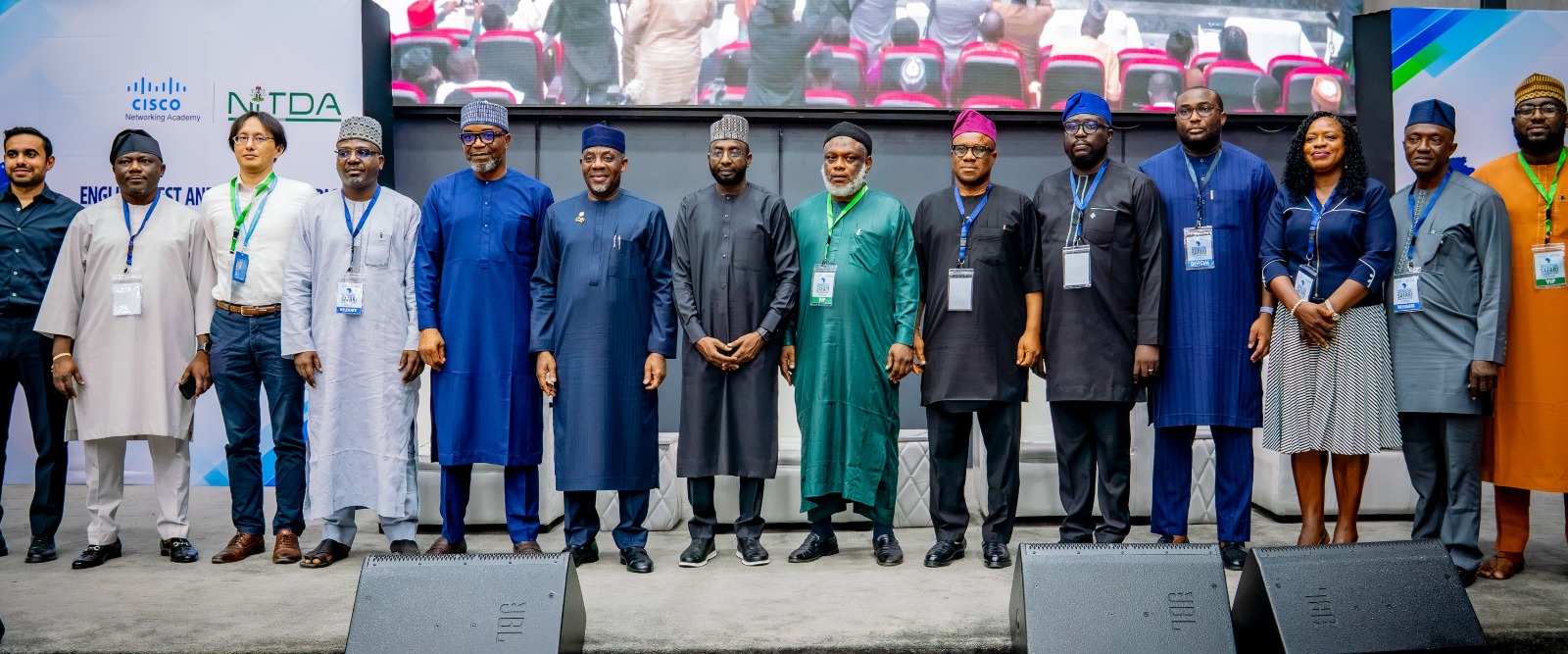
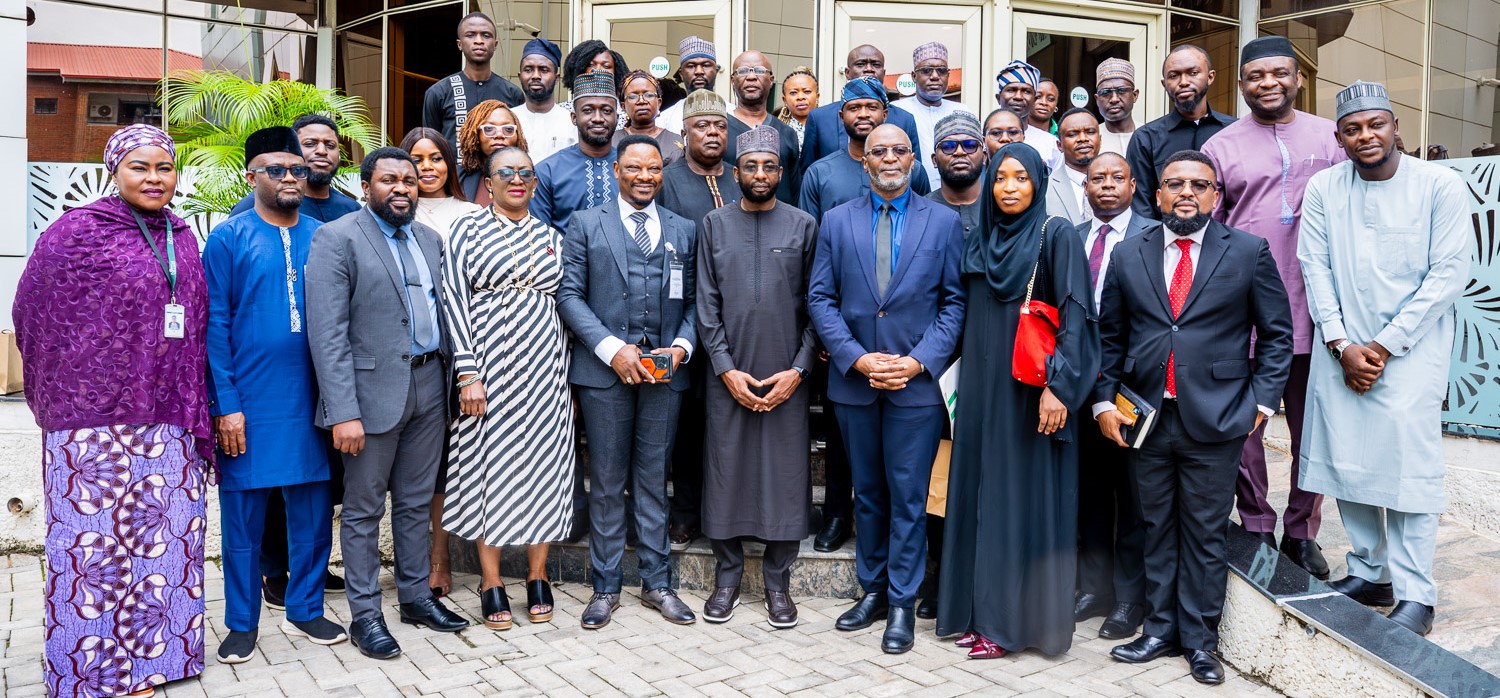
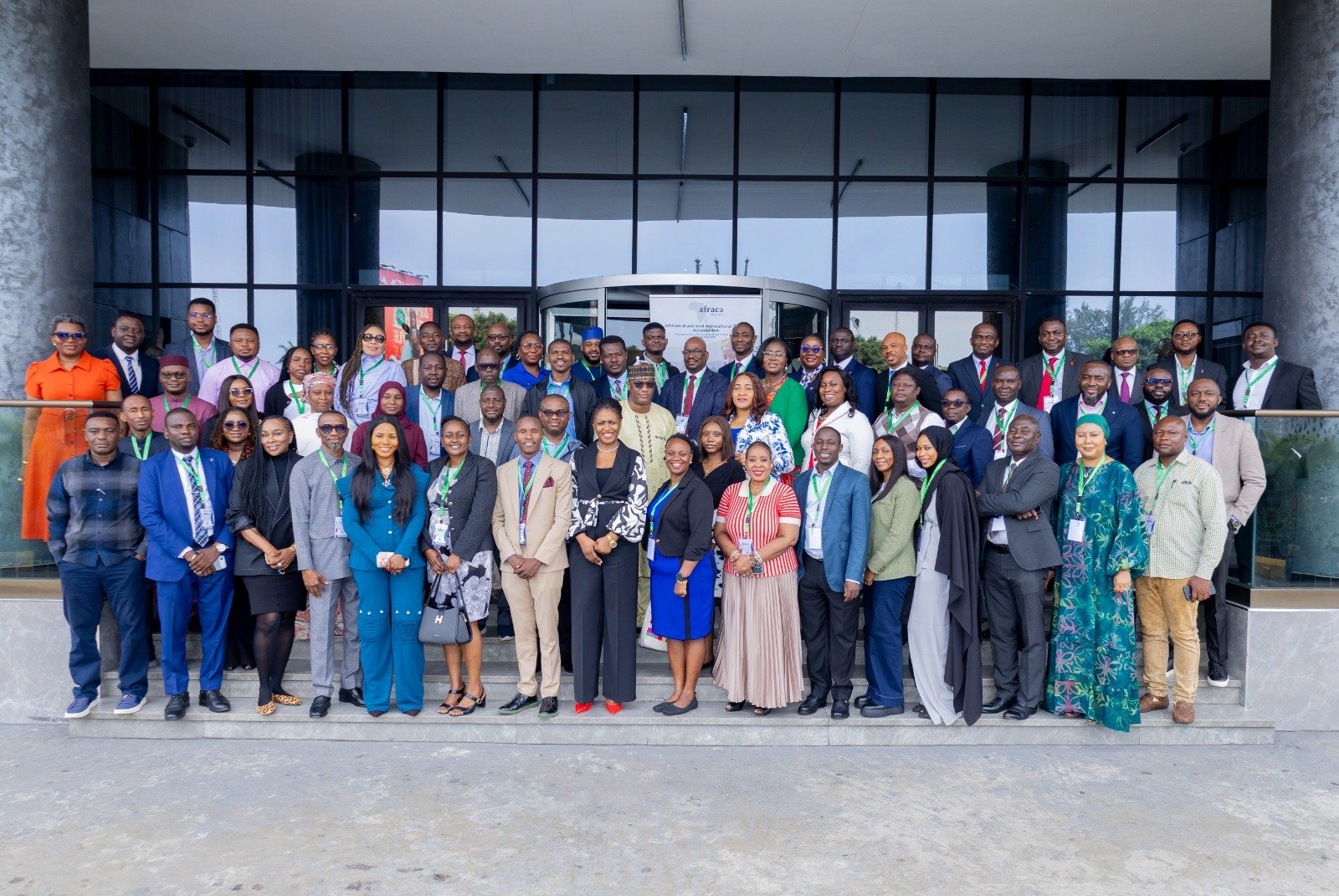
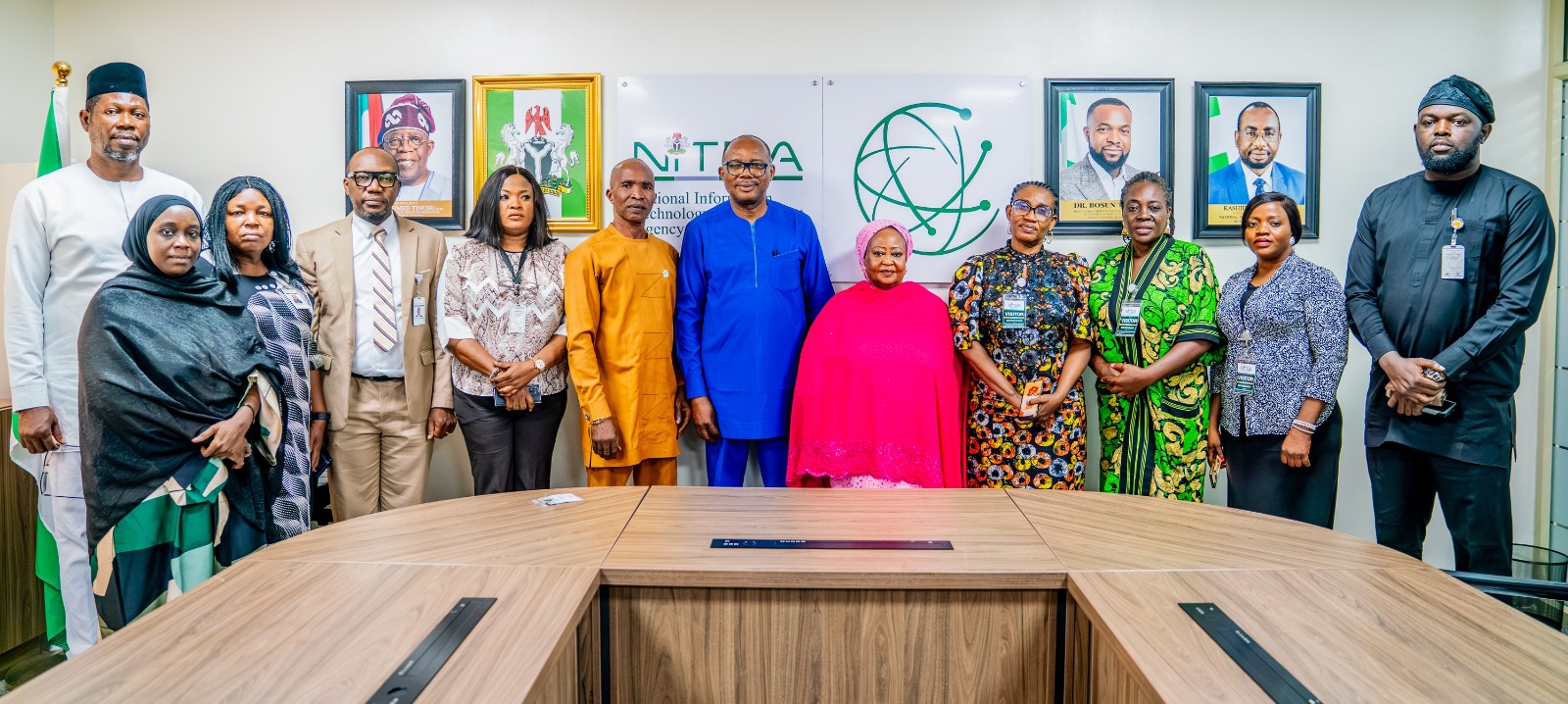
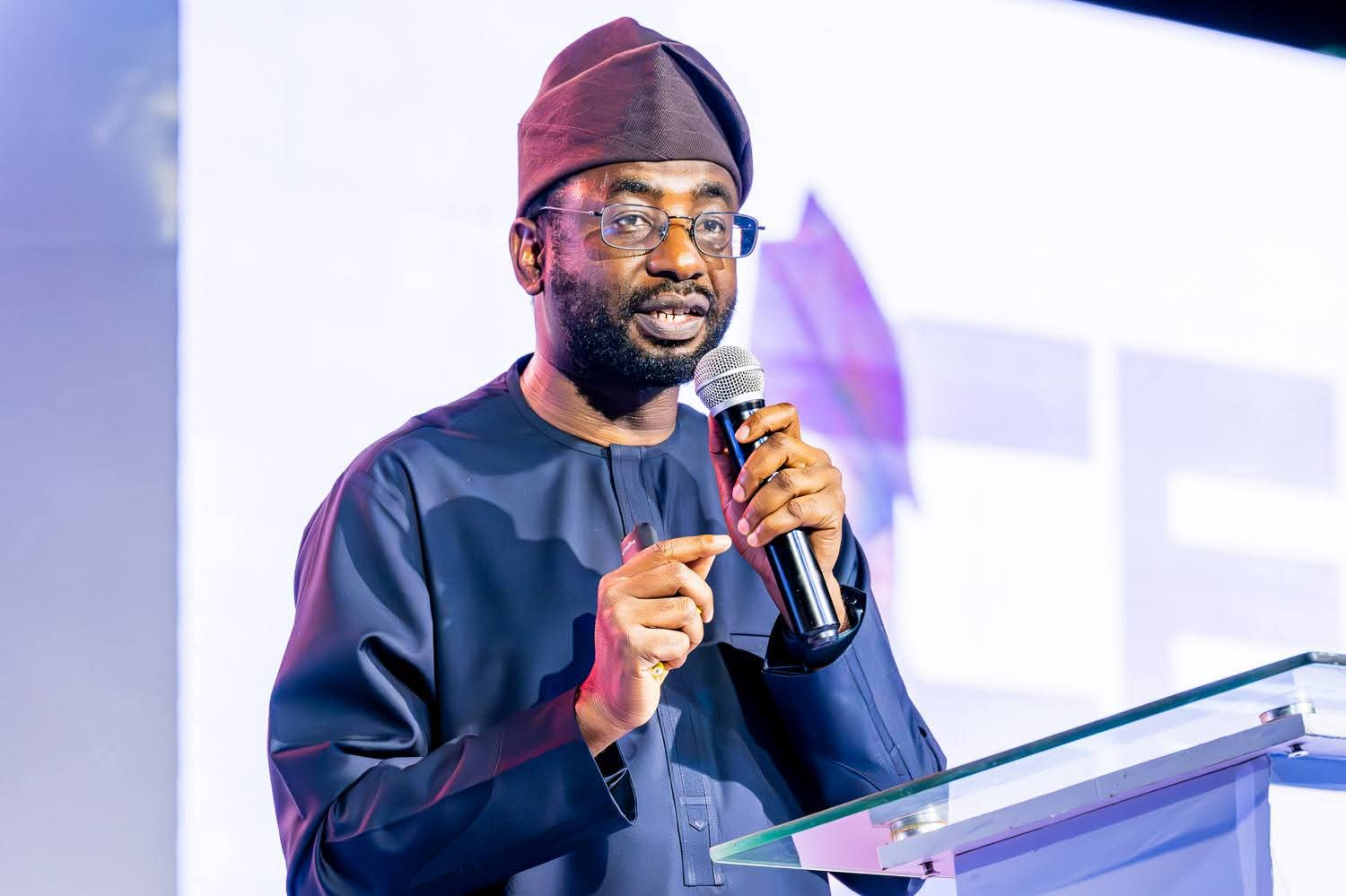
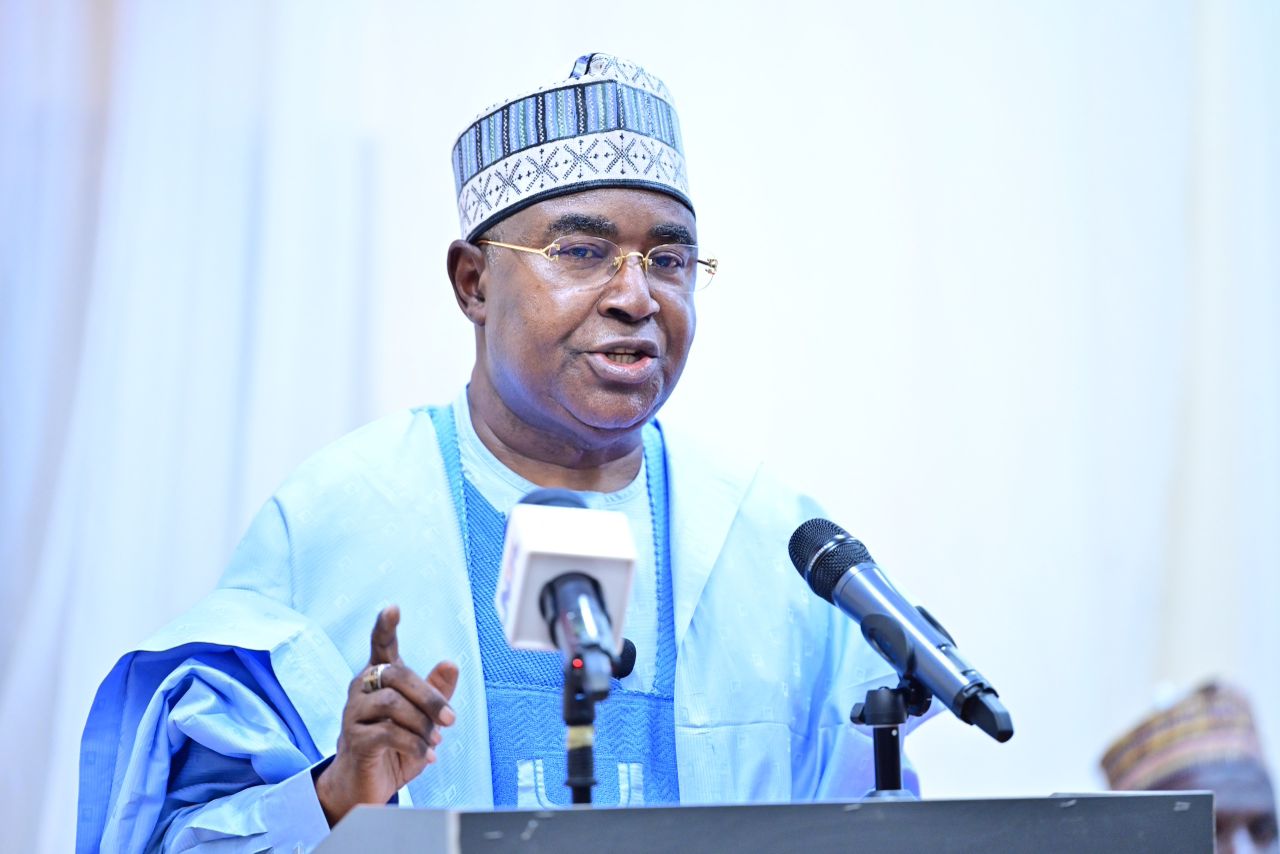
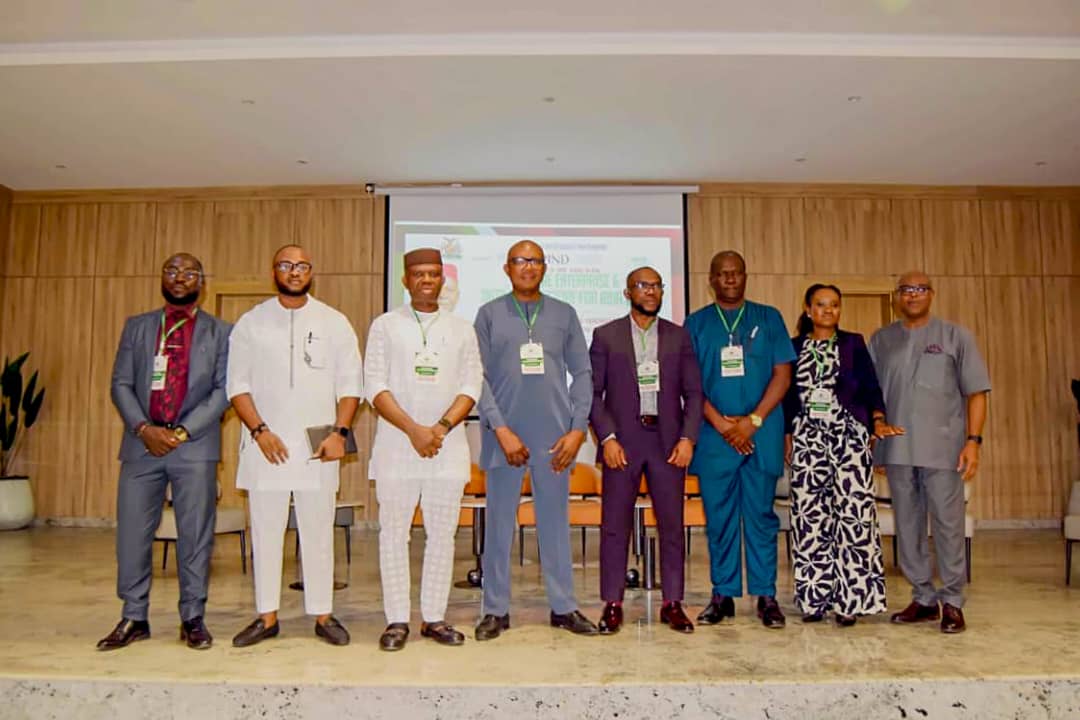
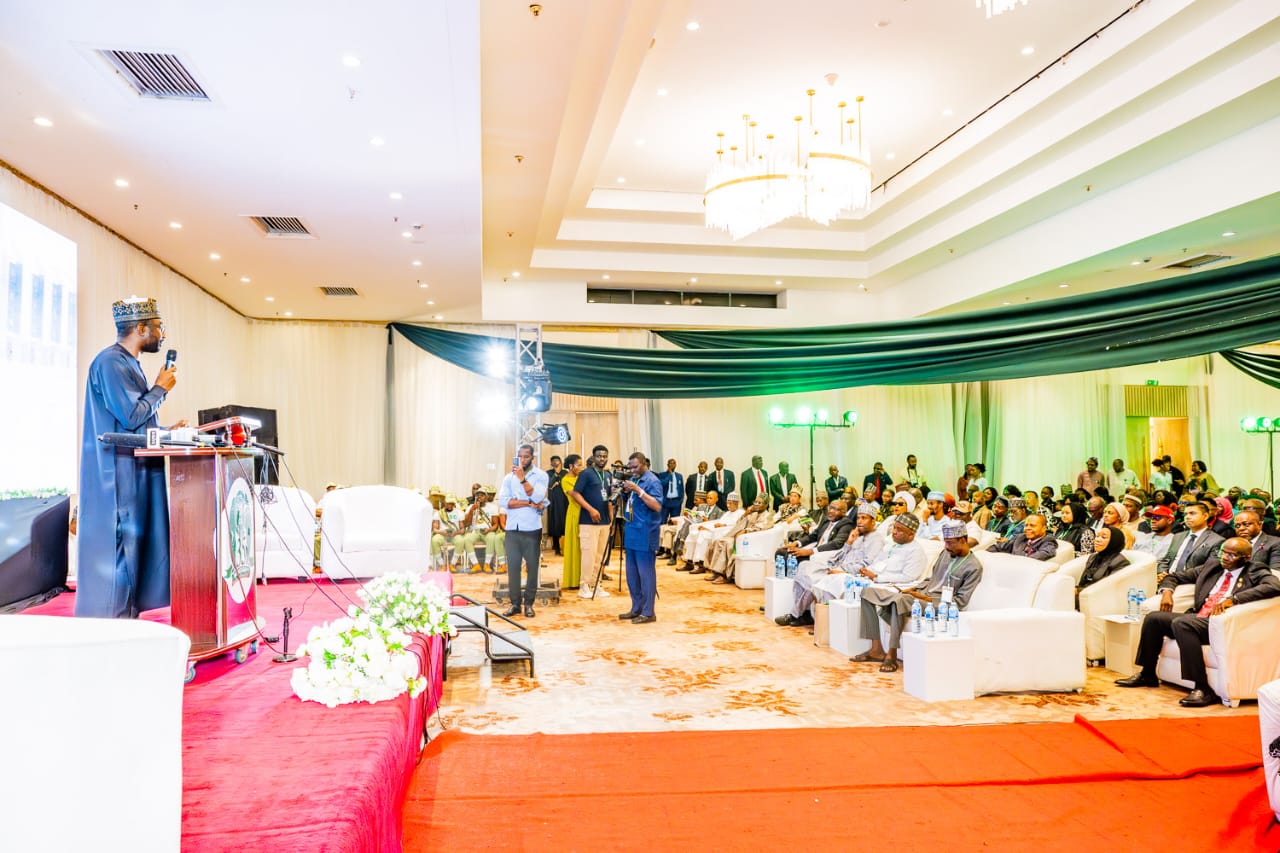
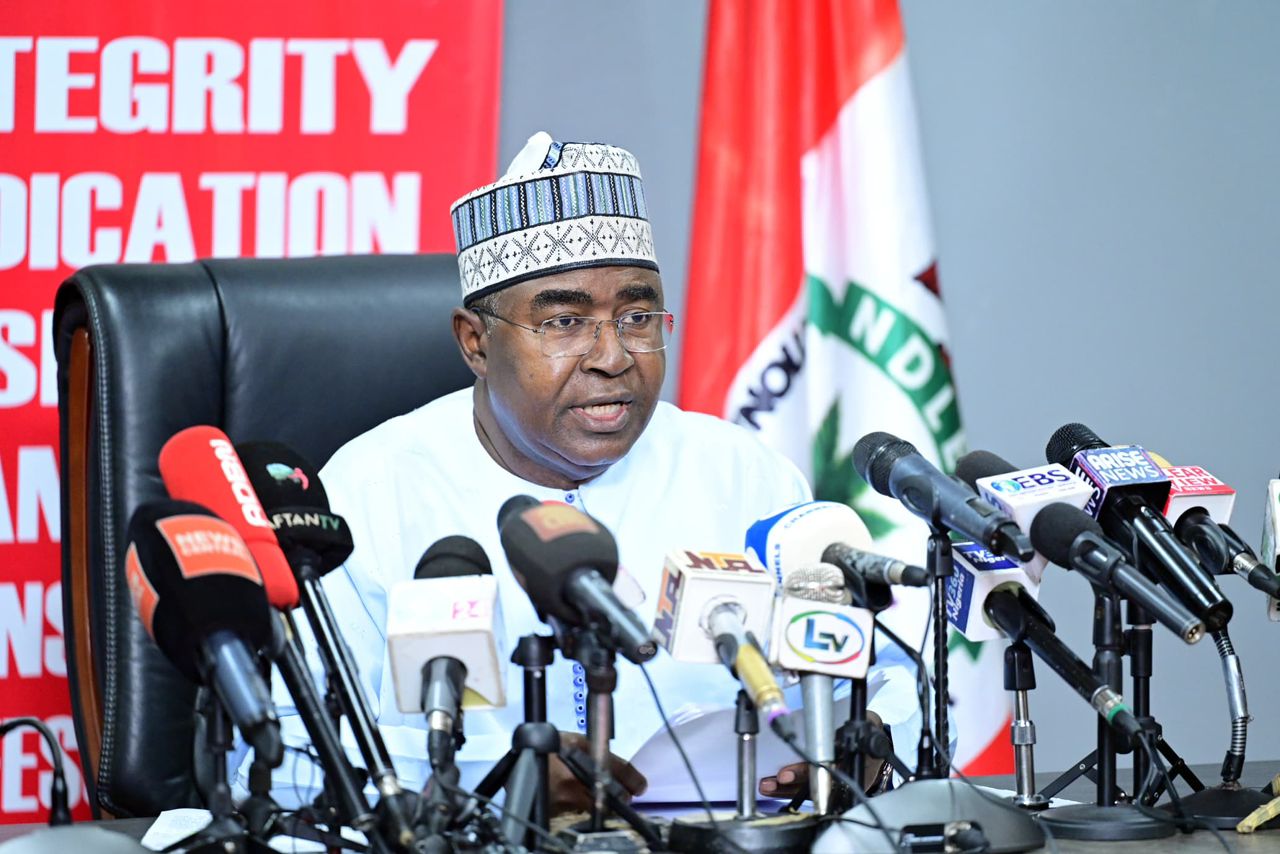
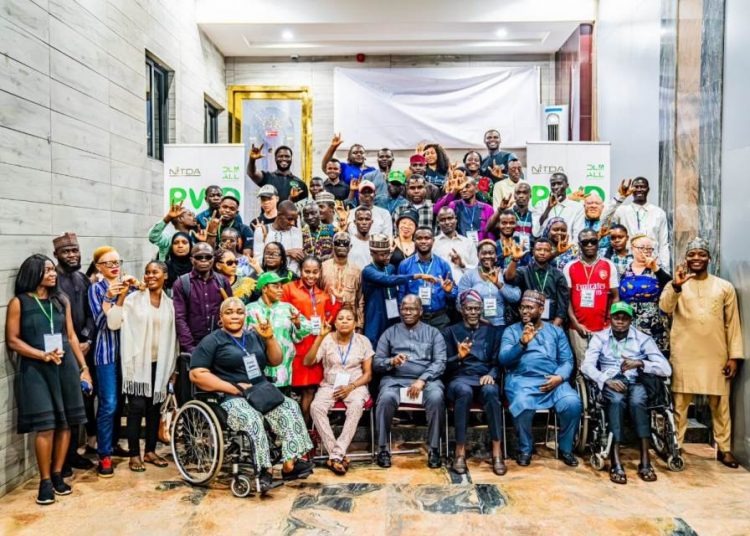
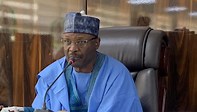
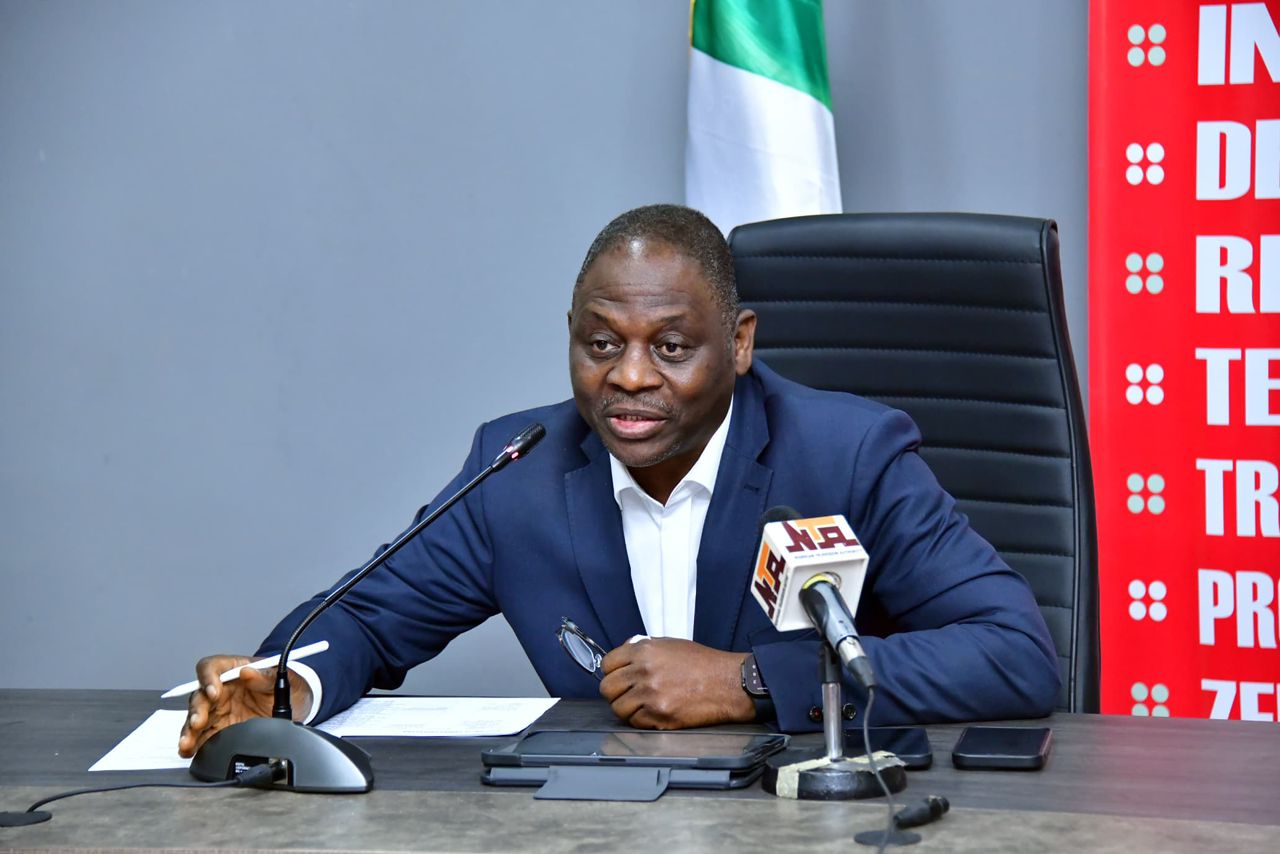
NITDA Director-General, Kashifu Inuwa, made the call at the 2026 Africa Agribusiness Extension Summit in Abuja, organised by Extension Africa in partnership with the agency.
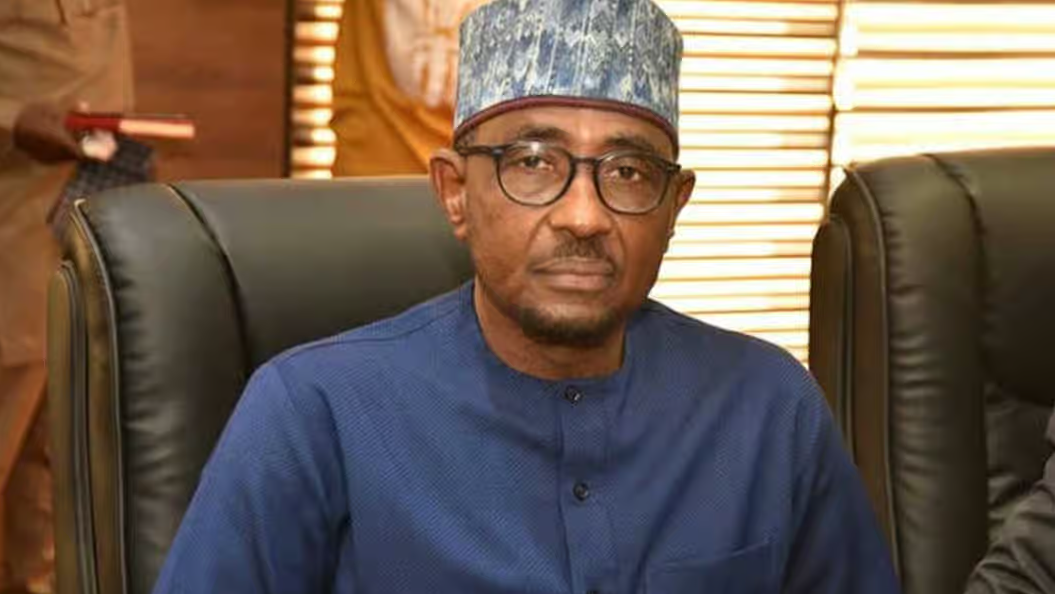
Inuwa, who was represented by the Director of e-Government, Engr. Salisu Kaka, said the country’s traditional face-to-face extension model could no longer adequately serve its expanding farming population.
He said technologies such as Artificial Intelligence (AI) could strengthen the work of extension officers by allowing farmers to access professional guidance irrespective of their location.
According to him, the priority should be the creation of a connected digital ecosystem rather than multiple platforms operating independently. He identified interoperability, scalability, cybersecurity and dependable data as critical requirements for such a system.
Inuwa also pointed to the potential of AI to analyse agricultural data, generate recommendations and support early-warning mechanisms that could help farmers respond to emerging risks.
The Minister of Agriculture and Food Security, Abubakar Kyari, also backed increased investment in digital extension services, saying technology could help address weaknesses in Nigeria’s conventional agricultural advisory system.
Kyari noted that the growing number of farmers compared with available extension officers had made it difficult for many farmers to receive timely guidance. He said digital platforms could help bridge the gap by providing information on weather conditions, markets, crop diseases and other farming-related issues through mobile devices.
The minister, however, stressed that technology should support existing extension workers rather than replace them. He called for stronger involvement from state governments, greater participation of young Nigerians and targeted efforts to ensure women farmers are not left behind.
He added that improving farmers’ access to reliable knowledge would be important to increasing food production, improving livelihoods and addressing Nigeria’s growing food needs.
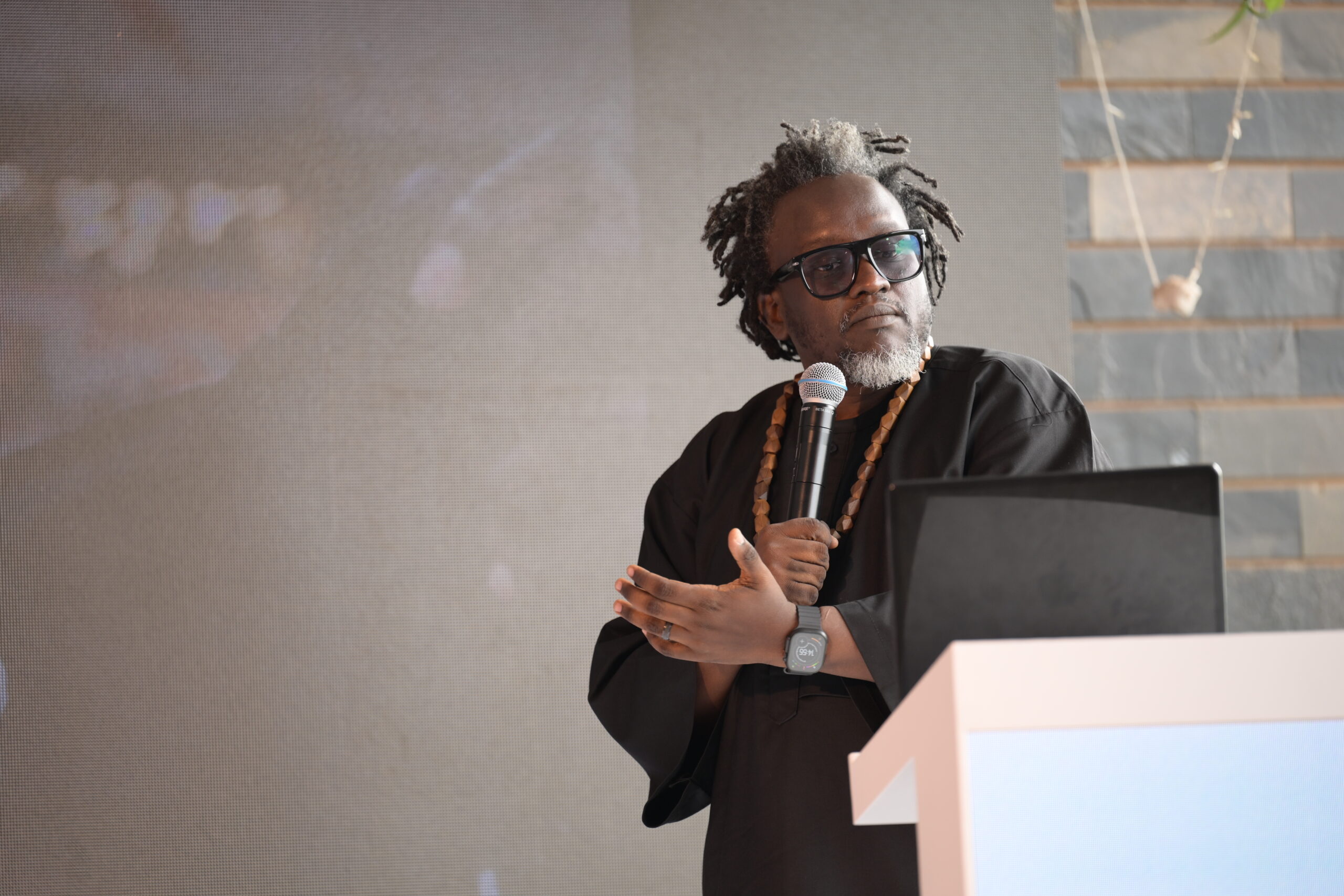
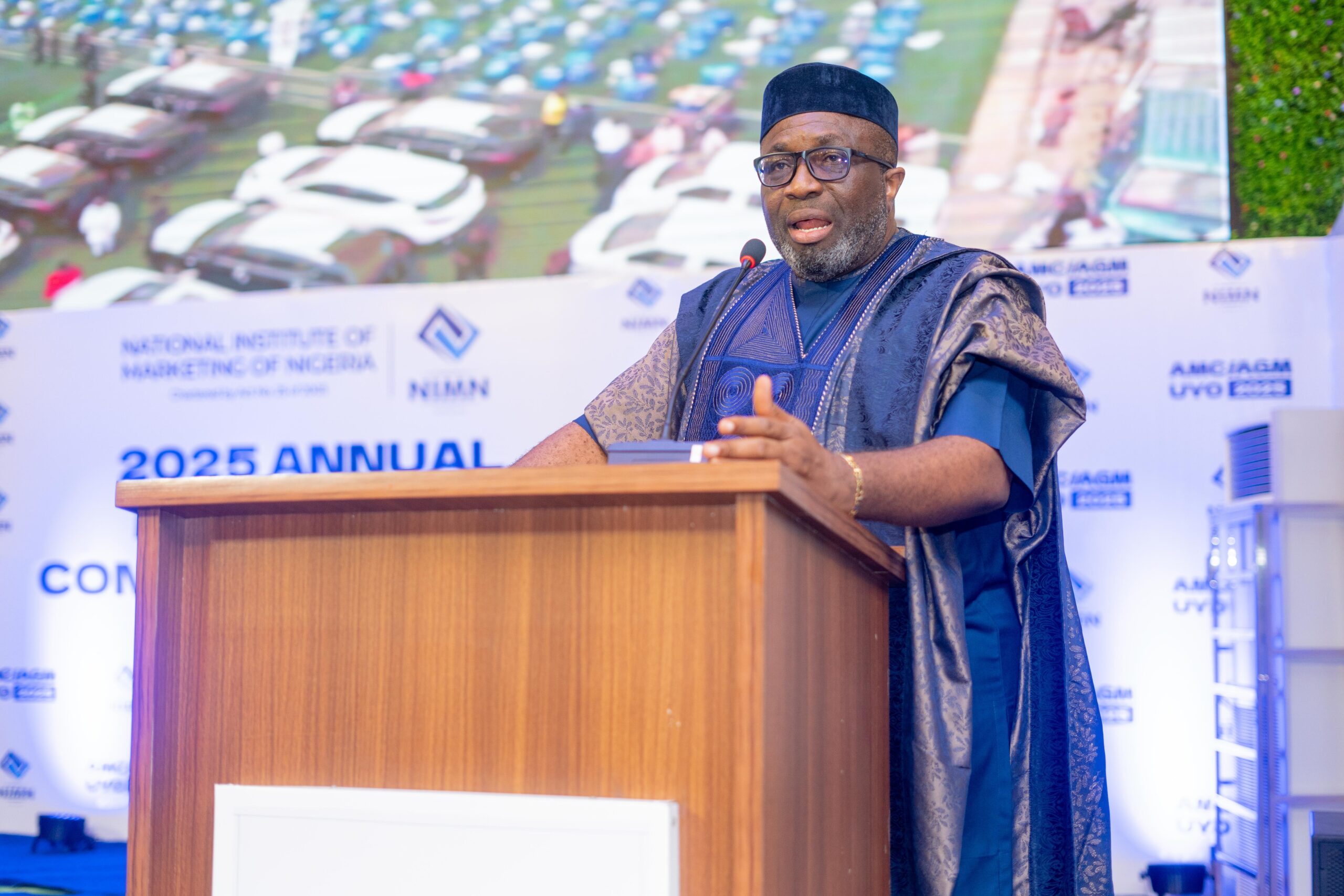
Also speaking, the Chief Executive Officer of Extension Africa, Tajudeen Yahaya, said the organisation was working to strengthen agricultural extension and improve the delivery of advisory services to farmers.
Yahaya identified human capacity, data, technology and partnerships as essential components of an effective extension system. He urged government agencies, businesses, development organisations and technology companies to work together to address gaps and duplication within the sector.
He said Extension Africa, founded in 2021, now has about 7,000 extension workers operating across 16 states and has reached more than one million farmers.
According to him, the summit is expected to produce practical benchmarks and solutions for improving Nigeria’s agricultural extension system through stronger capacity, better data, technology and sustainable partnerships.