By Akpa Evelyn Ogbene
One truth remains unchanged as technology evolves in any country: No nation can achieve true digital transformation without including its rural majority.
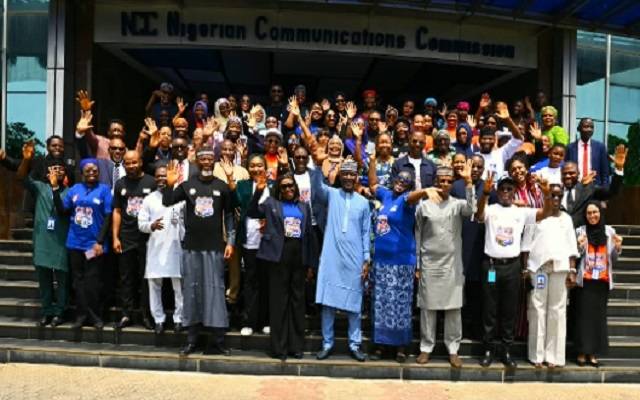
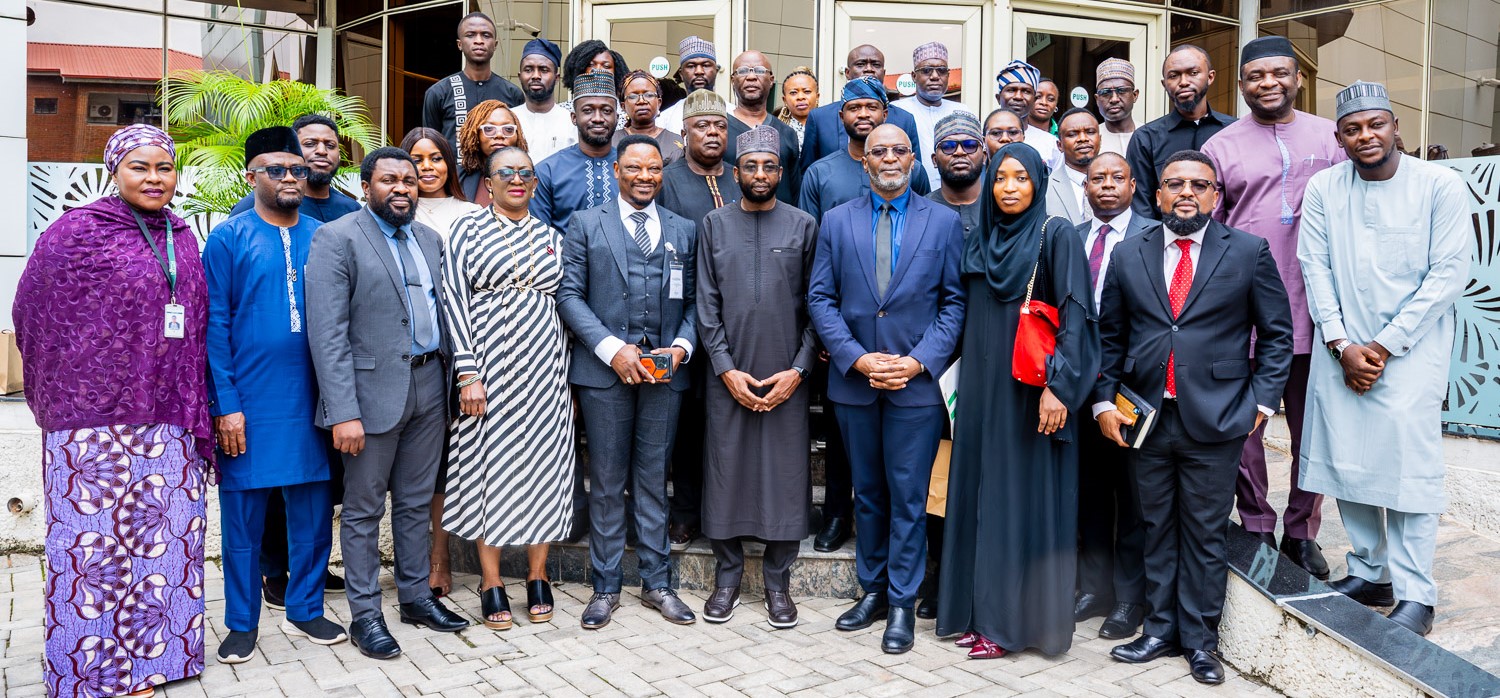
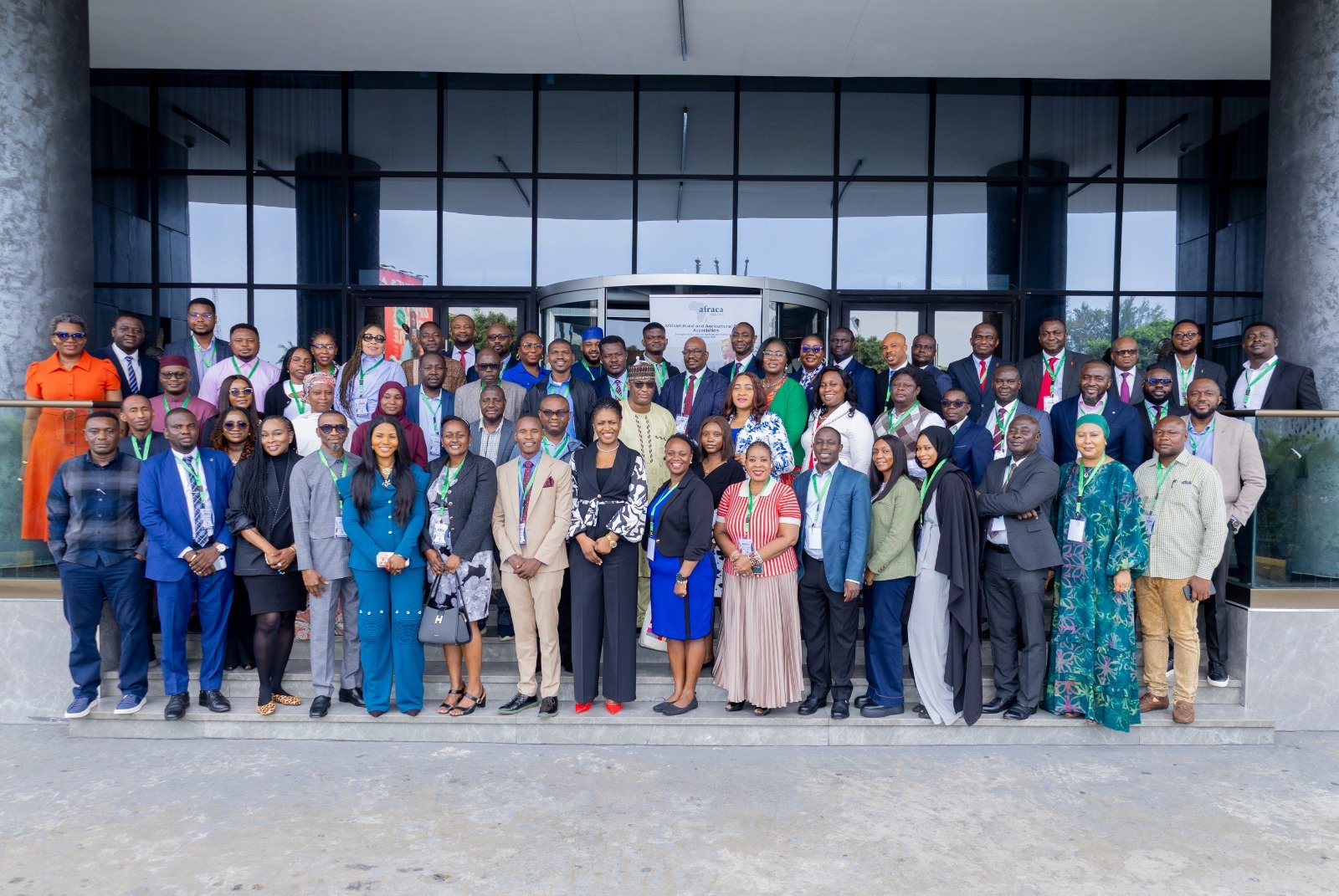
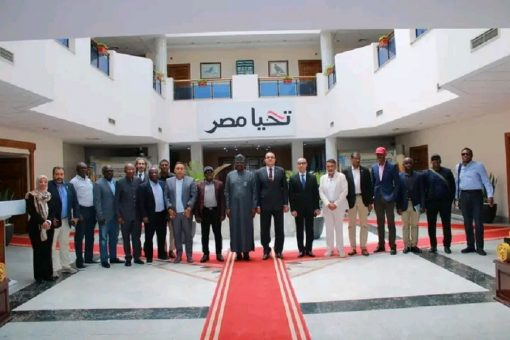
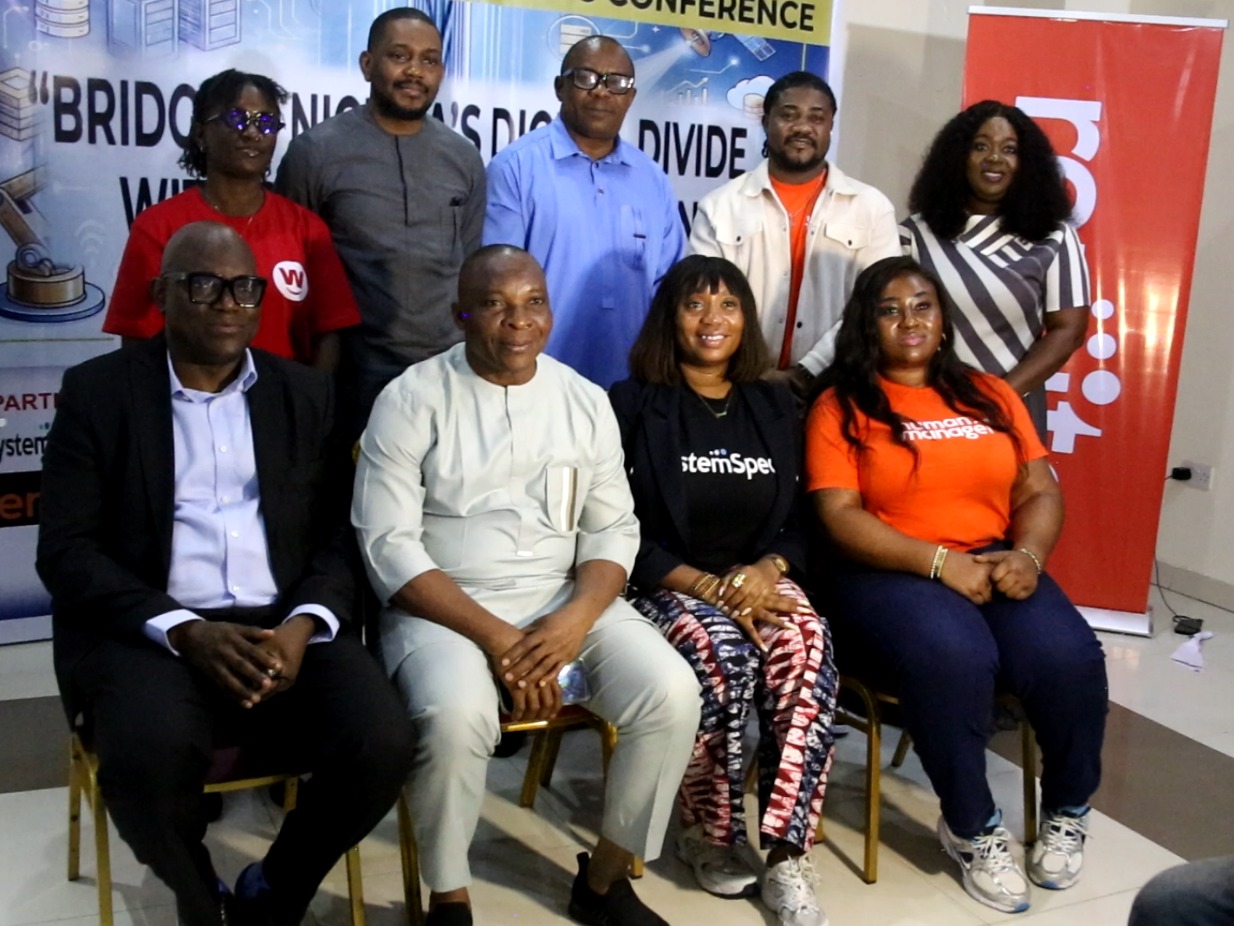
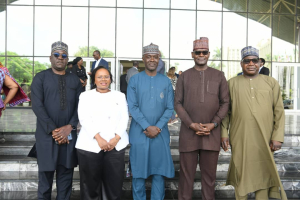
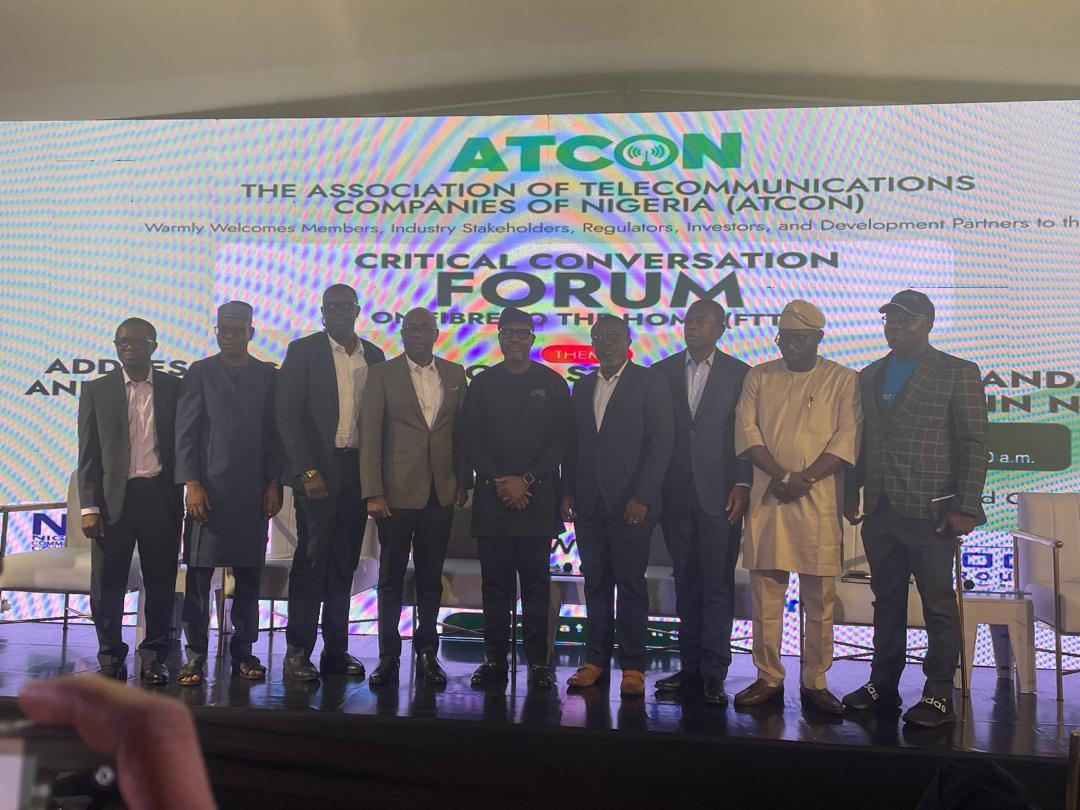
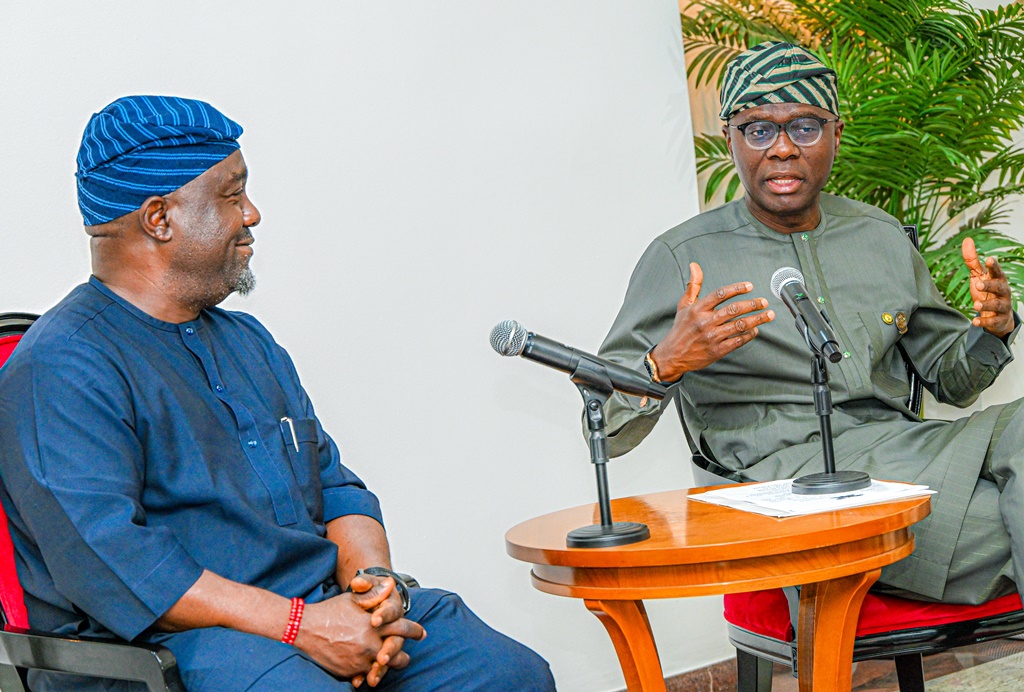
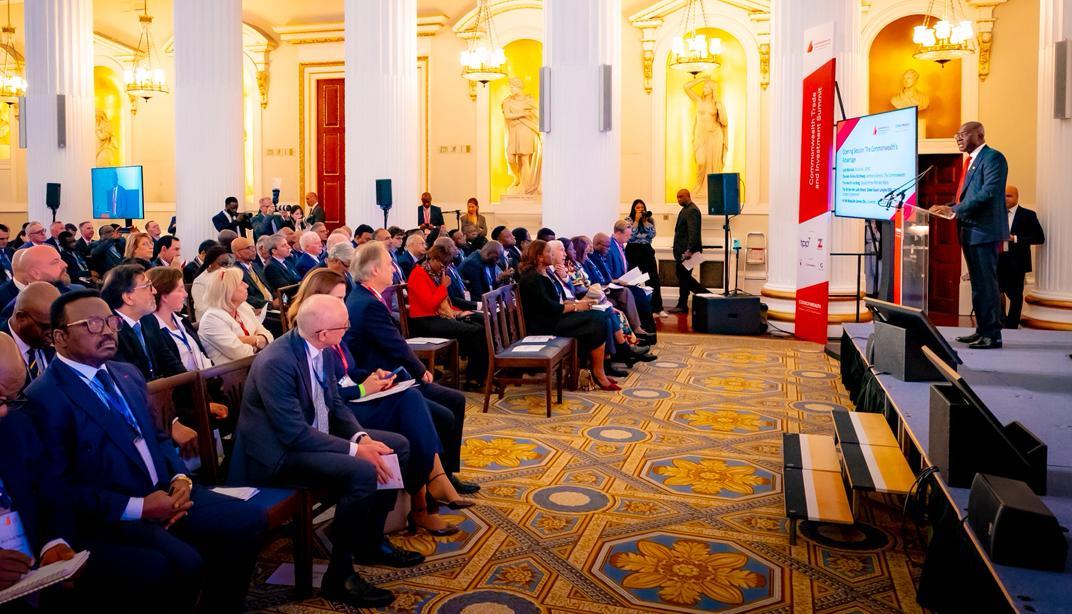
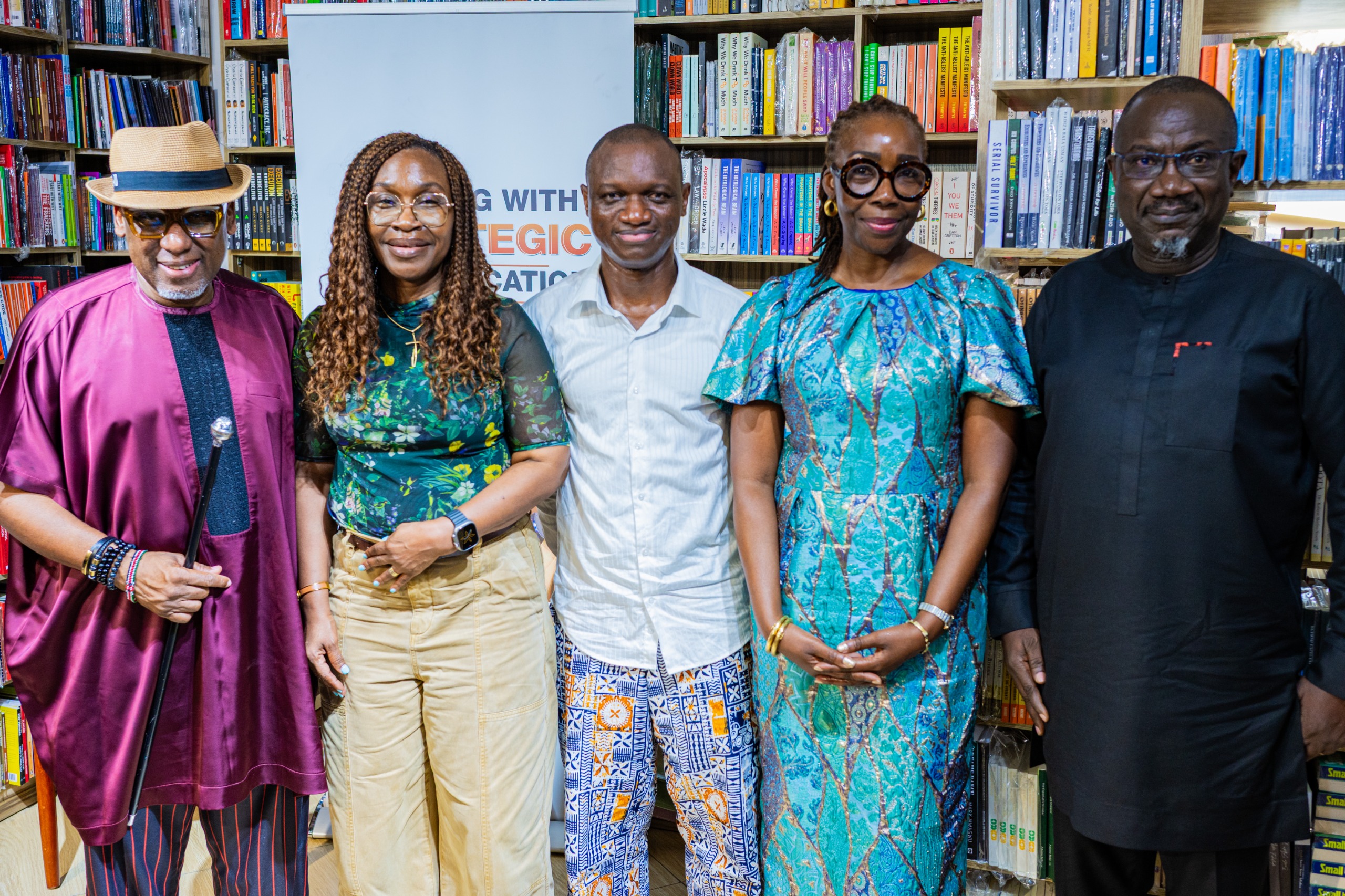
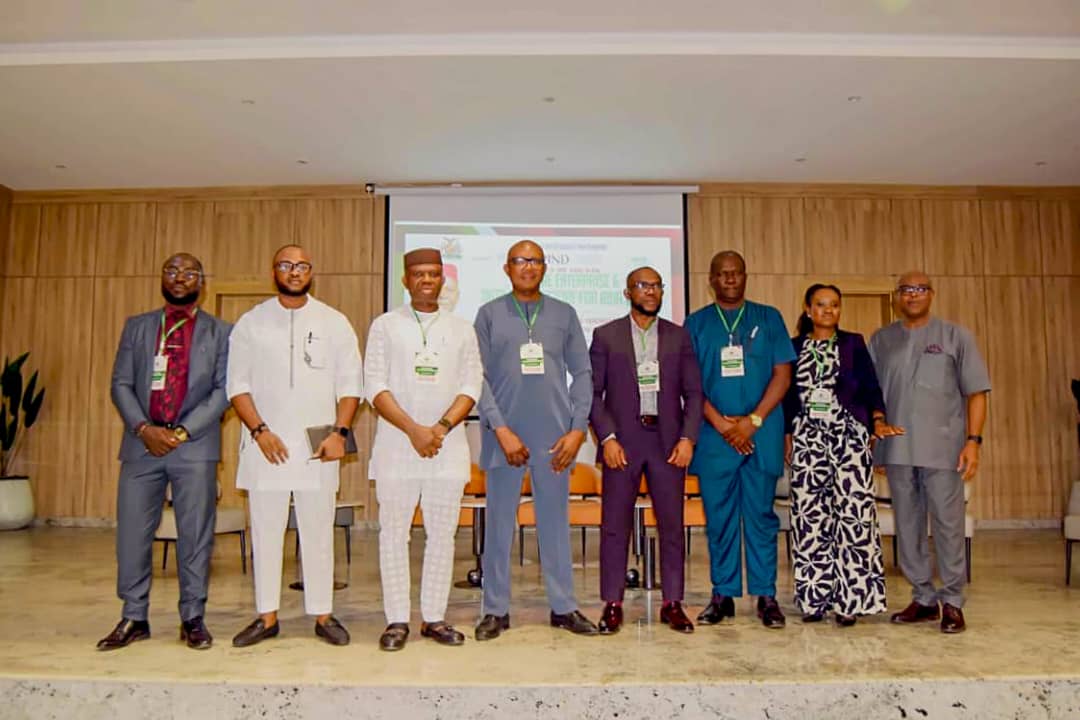
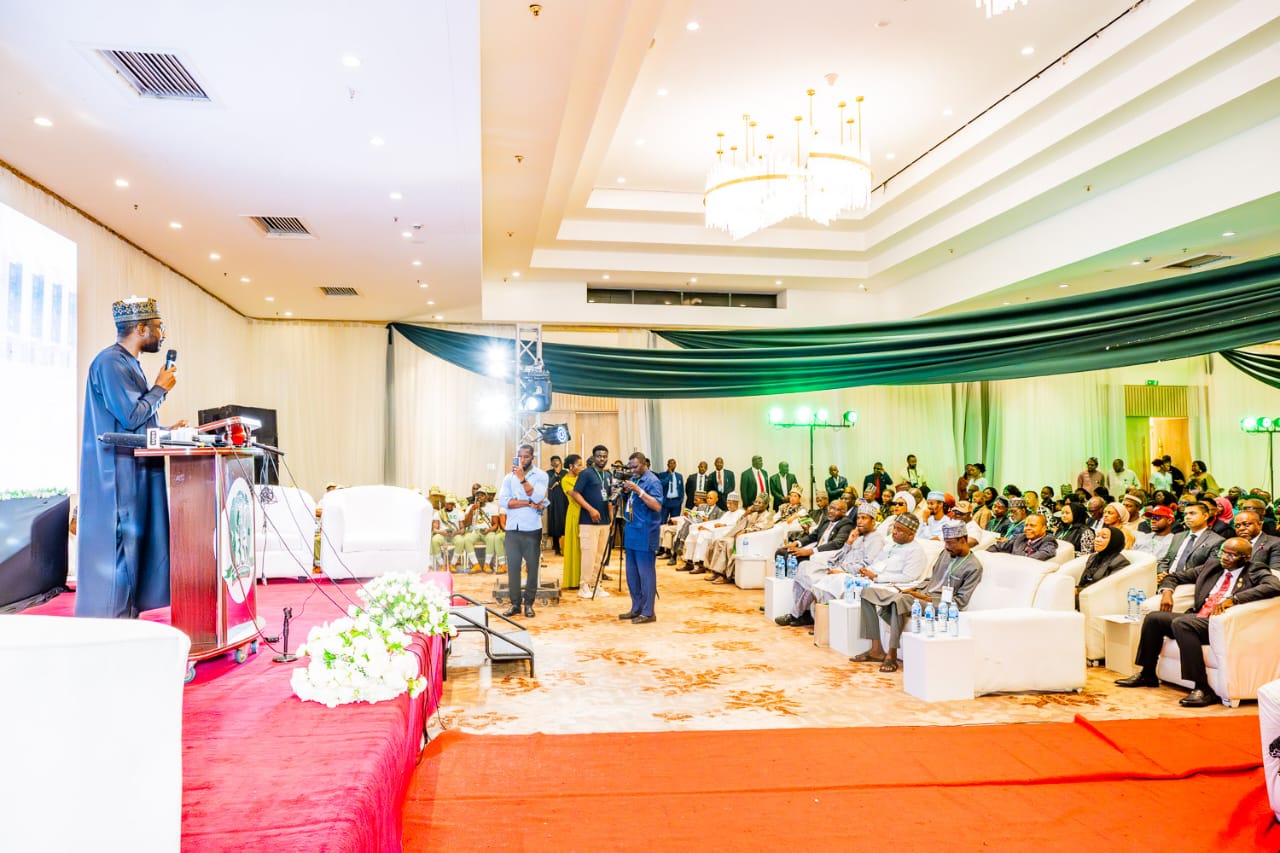
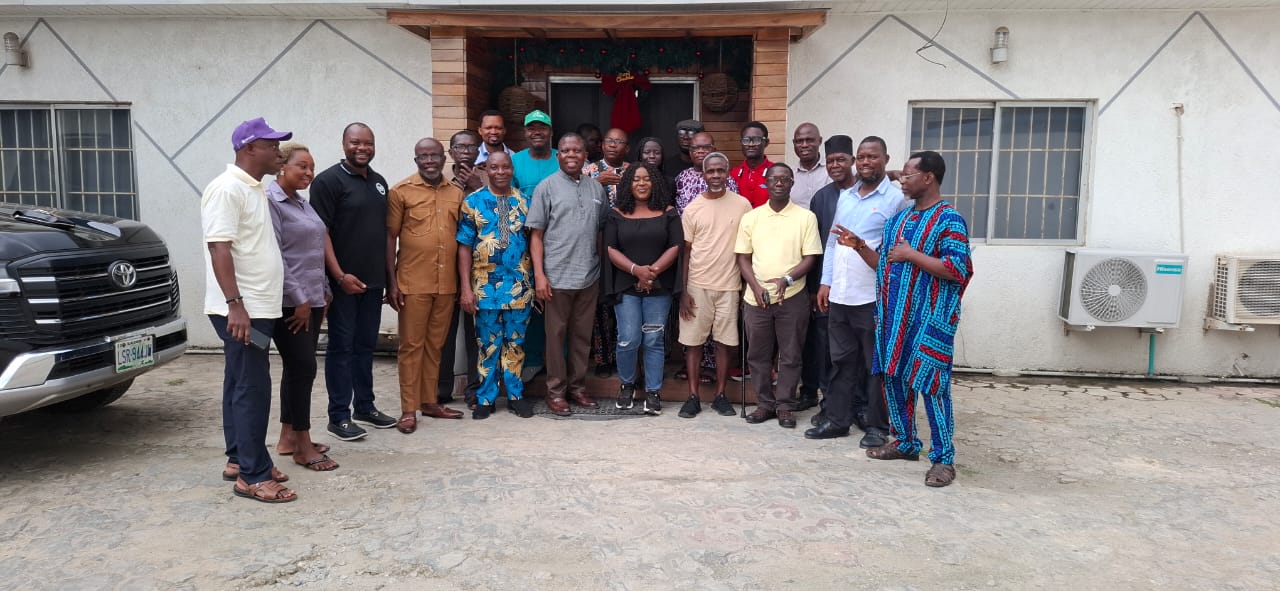
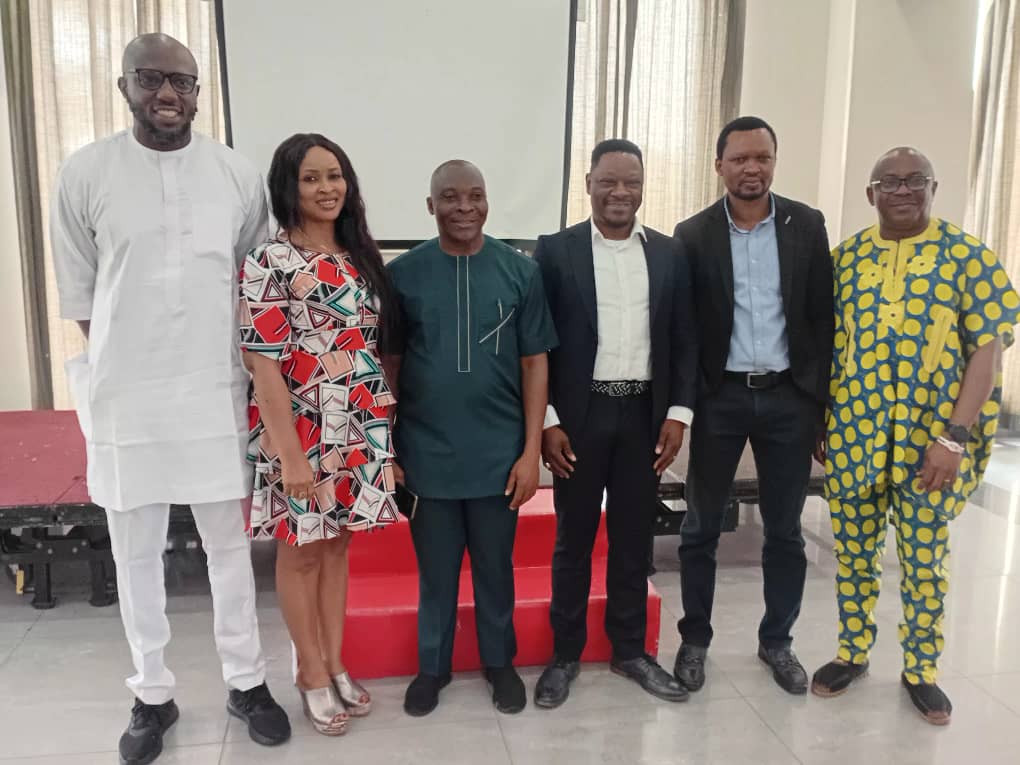
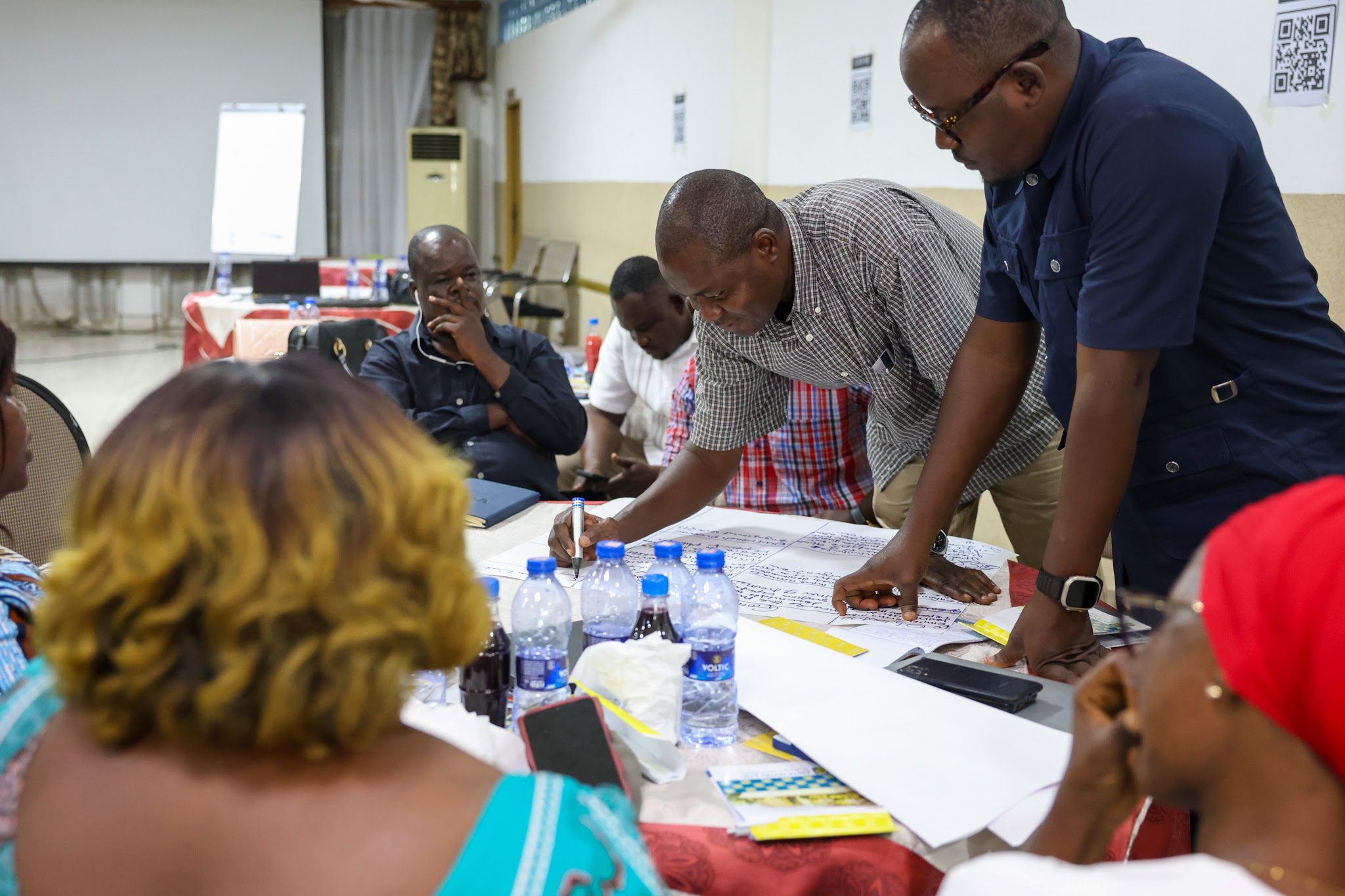
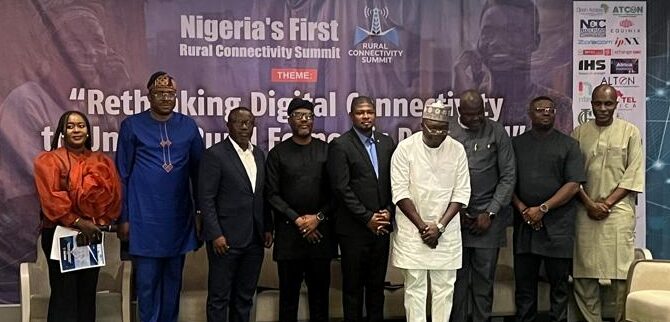
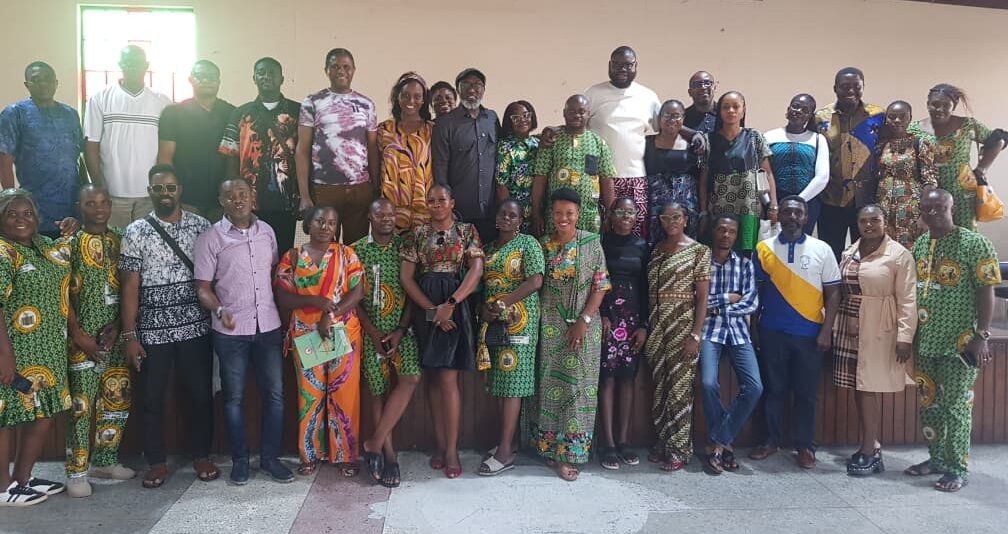
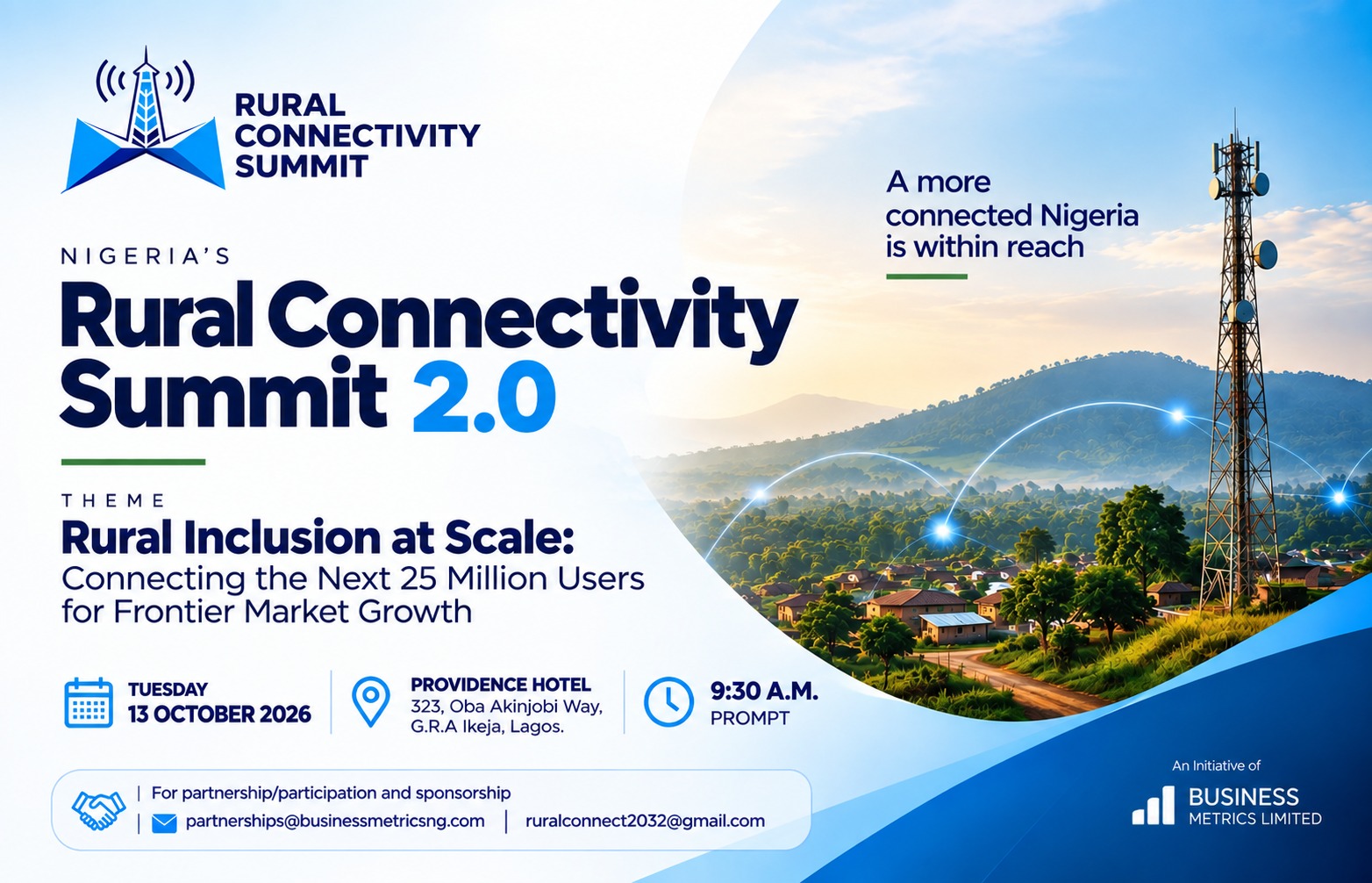
It was on this premise that tech industry players, policymakers, regulators and other stakeholders converged in GRA, Lagos for the Rural Connectivity Summit 2.0, to deliberate on rural inclusivity in Nigeria’s tech space.
Themed *“Rural Inclusion at Scale: Connecting the Next 25 Million Users for Frontier Market Growth,”* the summit focused on practical strategies to extend digital access to underserved communities and unlock new economic frontiers.
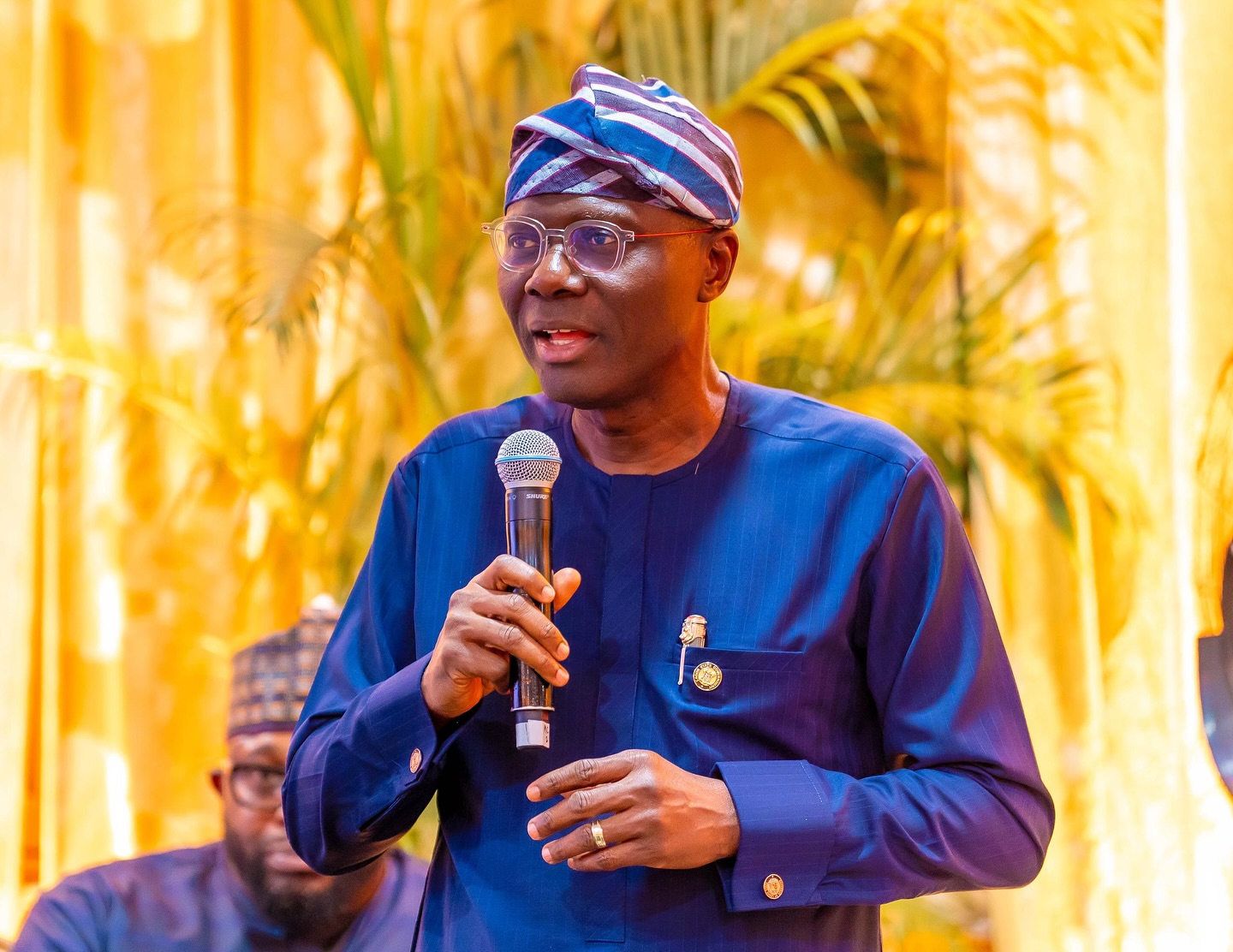
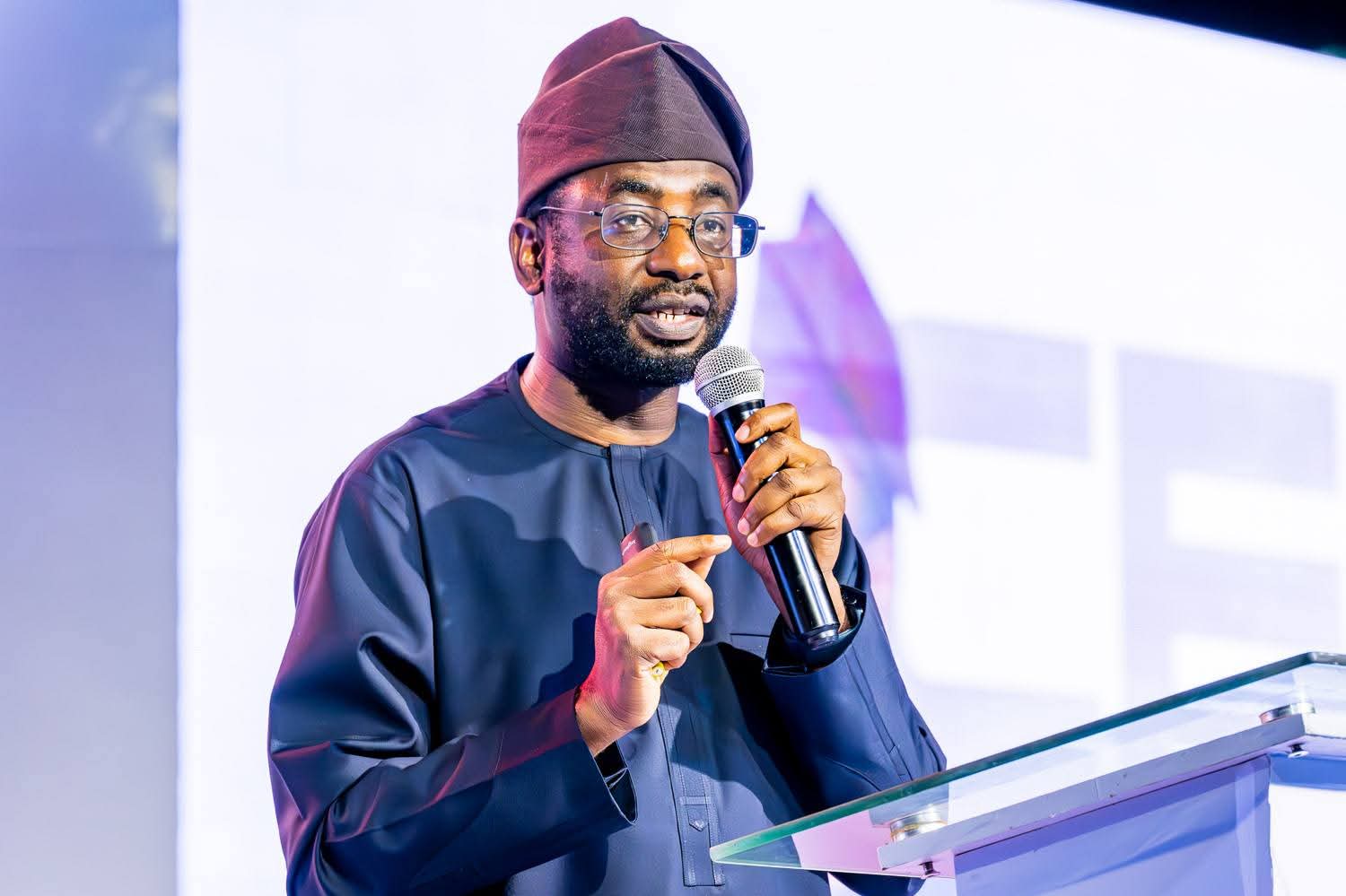
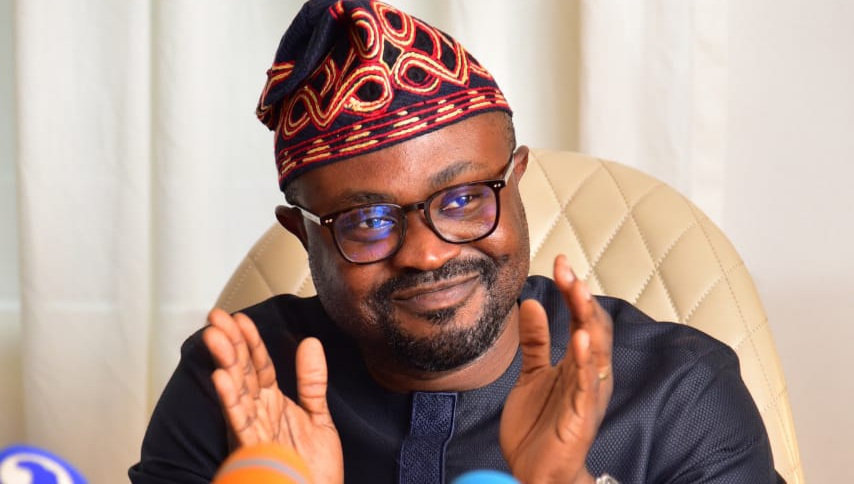
In his welcome address, the Convener and CEO of Business Metrics, Mr. Omobayo Azeez, noted that rural connectivity has gone beyond a communication issue.
According to him, “It is now about economic opportunities, education, healthcare, financial inclusion, agriculture, public services and the creation of new markets.”
Azeez, however, pointed out that connecting rural communities remains difficult due to high infrastructure cost, unreliable power, challenging terrain, limited backbone infrastructure and sustainability of investment in areas where commercial returns take longer to materialise.
He explained that conversations around rural connectivity are now gaining greater policy attention, with the Federal Government’s Nigeria Universal Communication Access Project – Project BRIDGE taking shape.
“These are now important venture interventions for expanding connectivity,” he said.
Azeez emphasized that the summit is creating a platform where government can articulate priorities, industry can present solutions, partnerships can be nurtured and stakeholders can align around implementation.
“We can examine what is working, identify the gaps that remain and strengthen the coalition required to connect the next 25 million internet users in Nigeria,” he added
Corroborating Azeez while presenting his goodwill message, the President of the Association of Telecommunications Companies of Nigeria (ATCON), Mr. Tony Emoekpere, declared that communication is a fundamental human right.
He outlined five key areas for consideration, noting that the industry has moved from coverage to usage.
According to Emoekpere, the cost of devices is a major barrier preventing many Nigerians from being connected.
“How do we aggregate users? As we are building a mini-grid for connectivity, what saves cost?” he asked.
He stressed the need to seek solutions to ensure inclusive connectivity, adding: “If we have the right to speak, we should have the right to communicate, and anybody that is deprived of the ability to communicate should be a challenge to us.”
“What stops many of the unconnected is the cost of the device and the cost of data,” he said.
The ATCON President called for the development of local content in indigenous languages that can serve rural dwellers like farmers and traders.
“We need to move away from coverage and think about how to ensure that people in rural communities use the technology services rendered to them,” he said.
Secondly, he said the industry should move from thinking of subscribers alone to anchor tenants, noting that a connectivity model that anchors sites in schools, primary healthcare centres, local governments or cooperative societies can serve as a sustainable model since it can generate revenue within the community.
He further urged industry players to build a connectivity site whenever they build a mini-grid, as a form of anchor tenancy from the power perspective, so that one location shares cost and one community is served two times where energy and data access are planned as a single infrastructure.
He added that while large operators are well-suited for backbone and backhaul levels, the last mile is best served by local entrepreneurs
Delivering the keynote address on behalf of Dr. Abba Aliyu, MD/CEO of the Rural Electrification Agency (REA), Engr. Omar A. Omar, Executive Director, Technical Services Directorate of REA, in his paper titled “Powering the Last Mile: Rural Electrification as a Catalyst for Digital Inclusion,” affirmed that reliable power is the enabling infrastructure for rural connectivity.
He disclosed that REA has introduced platforms that are already operating at scale, such as the Nigeria Electrification Project under which about 380 grant agreements have been signed with various developers.
He said REA has commissioned over 150 hybrid solar mini-grids and deployed about 1.45 million solar home systems.
“As a result, that success gave birth to the DARES project we are all familiar with, whereby we were able to secure about $750 million in grants which is aimed at achieving about 1,350 mini-grids, of which 250 are going to be interconnected mini-grids,” he said.
Omar declared that the project will target about 17.5 million Nigerians for new electricity access and over 450,000 communities will be impacted nationally.
He further revealed that the agency has in place a National Electricity Strategy and Implementation Plan to reach universal electricity access for Nigerians by 2030, assuring that under the plan, about 22 million households are going to be connected
The second keynote speaker, Dr. Tola Yusuf, Co-Founder of Infratel Africa, in his presentation on “The Reality of Rural Connectivity: Pursuing Sustainable Development Amid Multiple Challenges,” stated that according to the Nigerian Communications Commission (NCC), broadband penetration reached 57.4 percent in July.
“This is real progress, but the National Broadband Plan target of 70 percent by the end of 2025 is still a mirage,” he said.
He outlined the five P’s that determine whether a rural network survives:
– *Power:* Since diesel is costly, solar is the favourable solution.
– *Payback:* This has to do with the business space.
– *Permit:* Right of Way issues.
– *Protection:* To avoid vandalism, Critical National Information Infrastructure (CNII) Act should be enforced.
– *People:* In most cases, operators end up designing in a room where the communities are not represented.
According to Dr. Yusuf, as long as stakeholders continue to design solutions without the presence of the communities, implementing rural connectivity will remain a great challenge.
“Nigeria does not have an idea problem; we have probably an execution problem. Sustainable deployment demands two major decisions. First, we need to find a way to pay for outcome, not activity. We need to measure uptime, affordability and whether schools and clinics are actually connected. Fund the service, reward the outcome,” he said.
Secondly, he suggested that the last mile should be redesigned in the background, noting that beyond the Project BRIDGE conversation, rural discussion is still at the centre-stage because connectivity reaching local government headquarters in Project BRIDGE does not mean it reaches the villages.
He stressed that community participation is the most critical factor needed for partnership and delivery.
“Engineering builds towers, but trust and local partnership decide whether you survive. Connectivity gives access, participation creates growth,” he said.
He emphasized the need to redesign the approach by connecting the next 25 million not merely as users of the digital economy but as producers and owners of it.
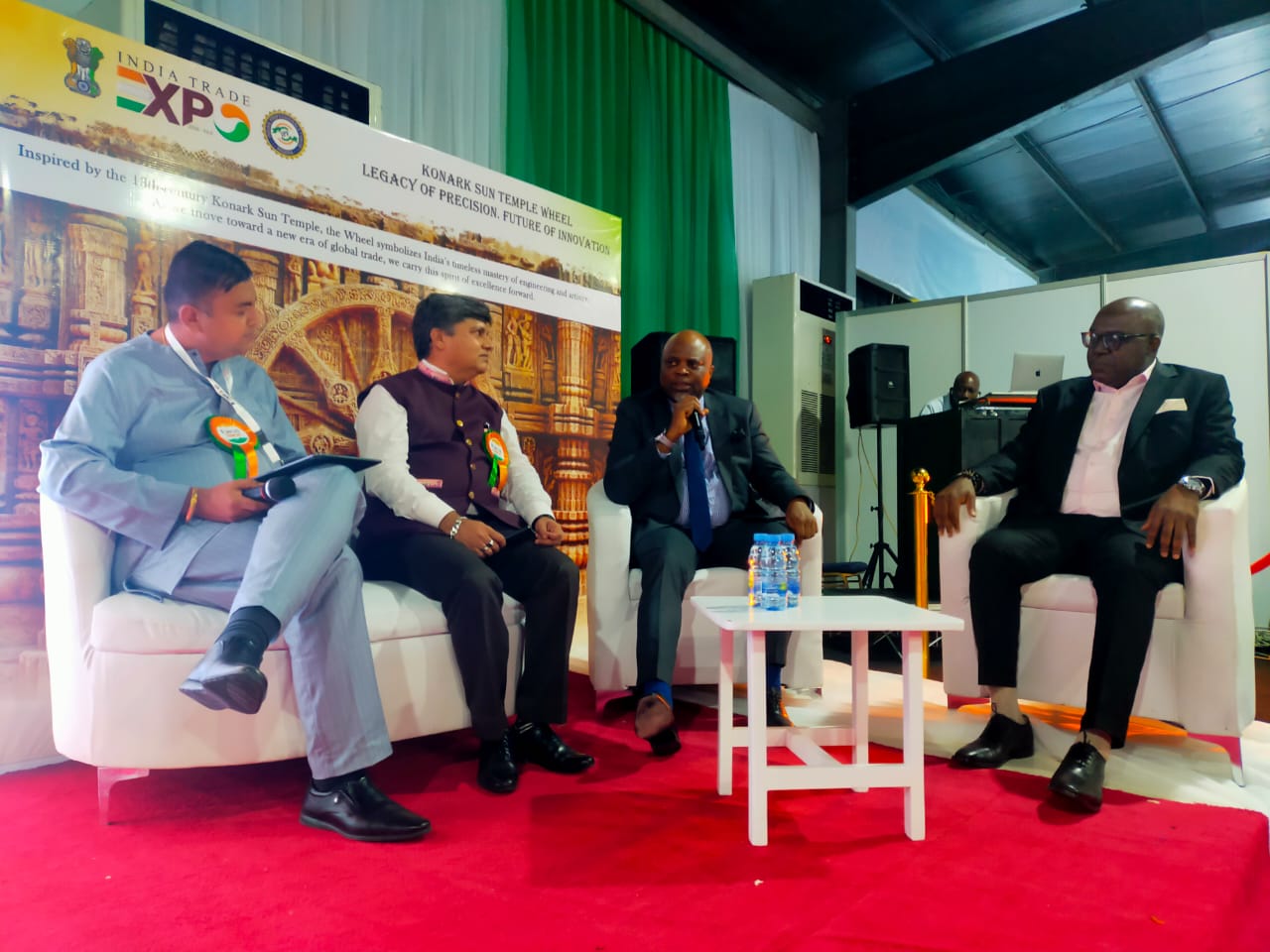
The summit featured two insightful panel sessions intelligently moderated by Mr. Chidi Ajuzie of WTES Projects Limited and Mrs. Ugochi Emmanuel of Techlife With Ugo.
Panelists included Dr. Olusola Teniola, Director, Strategic Business Initiatives, ipNX Nigeria; Mrs. Tinuade Oguntuyi, General Manager, Technical, ICSL; Mr. Obinna Adumike, Head of Converged Digital Infrastructure for Africa, OADC; Mr. John Nwachukwu, Chief Strategy and Executive Officer, Zora Communications Limited; and Mr. Kingsley Uwazie
Dr. Teniola held the view that for mass scale, the industry needs long-term, Naira-based financing and support from companies that have demonstrated the ability to connect the last mile in very challenging environments.
Mr. Kingsley Uwazie, representative of Mr. Soji Maurice Diya, CEO, Nat Com Development and Investment Limited ( ntel ) reiterated that connectivity is fundamental to human existence. He stressed that sustainability is key when we talk about connectivity because regulators must ensure that those in the rural area gets the same quality of service and data
Teniola explained further that what will actually drive connectivity is local peering, local content and supporting foreigners that are Africanised to build in the country and give local people time to build their industry.
“Those policies and strategies need to be intentional, otherwise we will keep going round in circles,” he said. “Solutions are there. Engage civil societies to bring ideas from those locals who don’t speak English but are very intelligent.”
Earlier, other speakers like Ms. Ibiye Memberr Ukoko, Head, Sales and Strategic Operations, Nigerian Communications Satellite (NIGCOMSAT), aligned with all speakers, stating that connectivity extends beyond operating satellite infrastructure.
“It includes contributing to a connected Nigeria where geography does not determine who has access to digital opportunities,”
“One single operator cannot do this. We all have to work together to actually provide rural connectivity,” she said.
At the end of deliberations, stakeholders agreed that connecting the next 25 million Nigerians is not just a technical challenge but an economic and social imperative. The consensus was clear: bridging the rural digital divide requires a shift from coverage to usage, from activity to outcome, and from isolated projects to a coordinated ecosystem where power and connectivity are co-deployed, financing is long-term and Naira-based, content is localised, and communities are co-owners.
With initiatives like the Universal Access Project, Project BRIDGE, DARES, and the enforcement of the CNII Act, Nigeria has the policy foundation. What remains is intentional execution, trust-building with rural communities, and a sustainable business model that transforms the unconnected not just into consumers, but into producers in Nigeria’s digital economy.