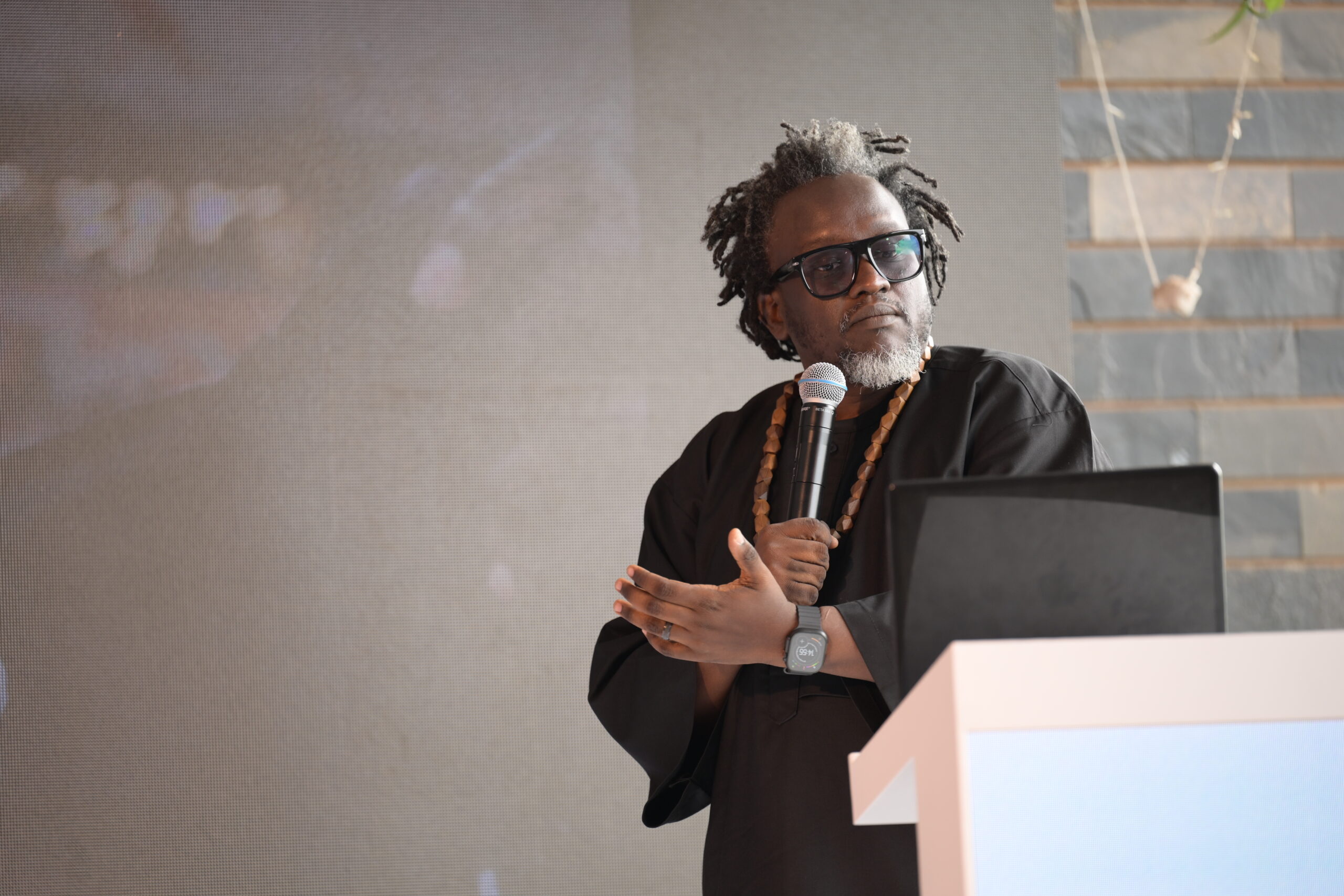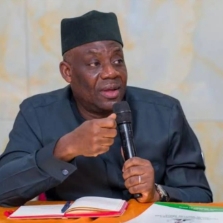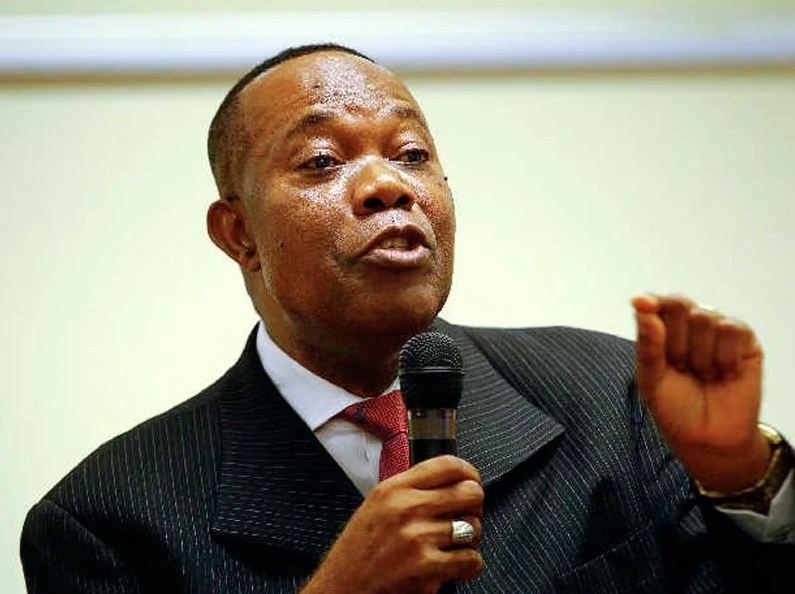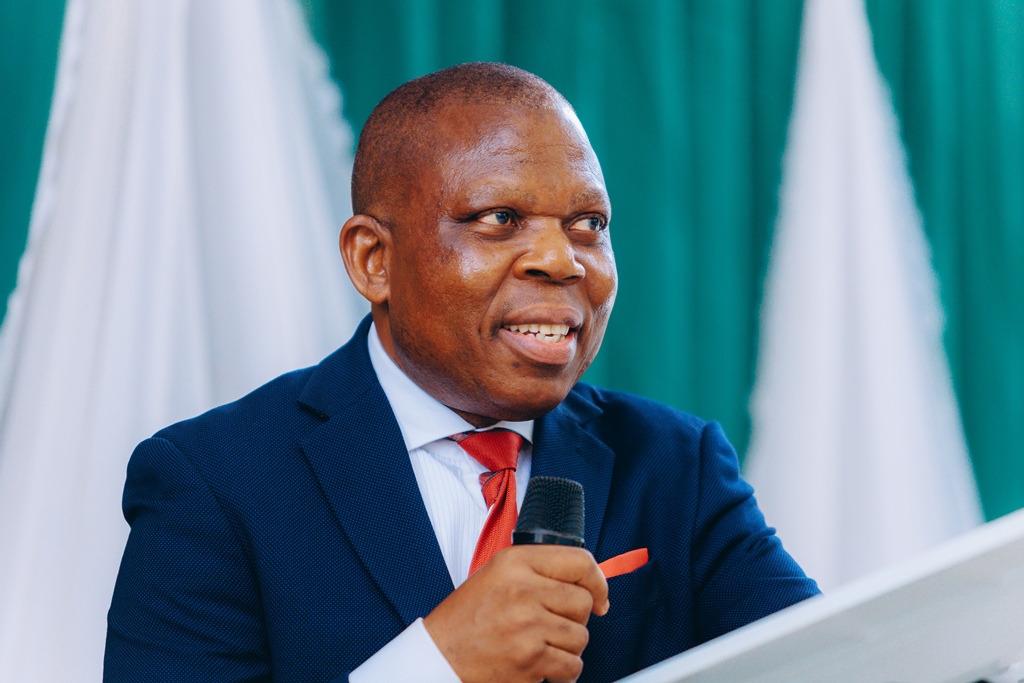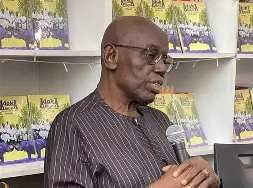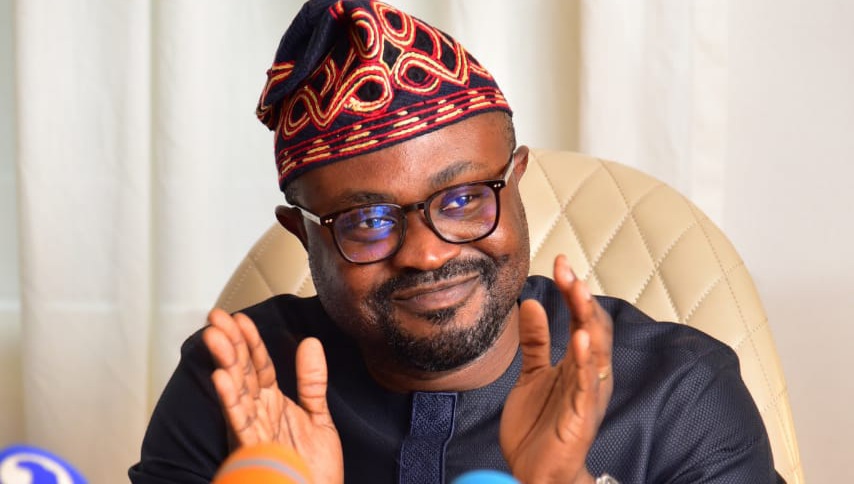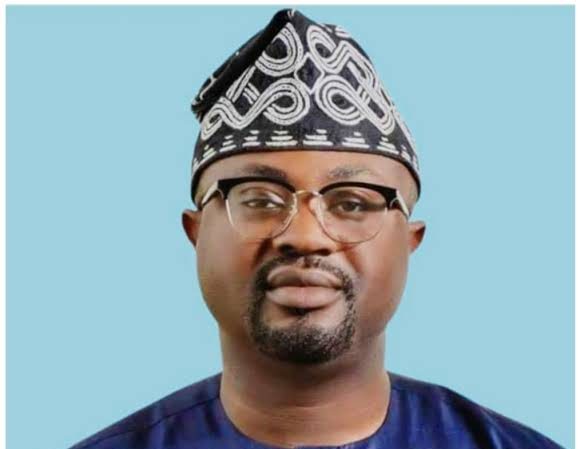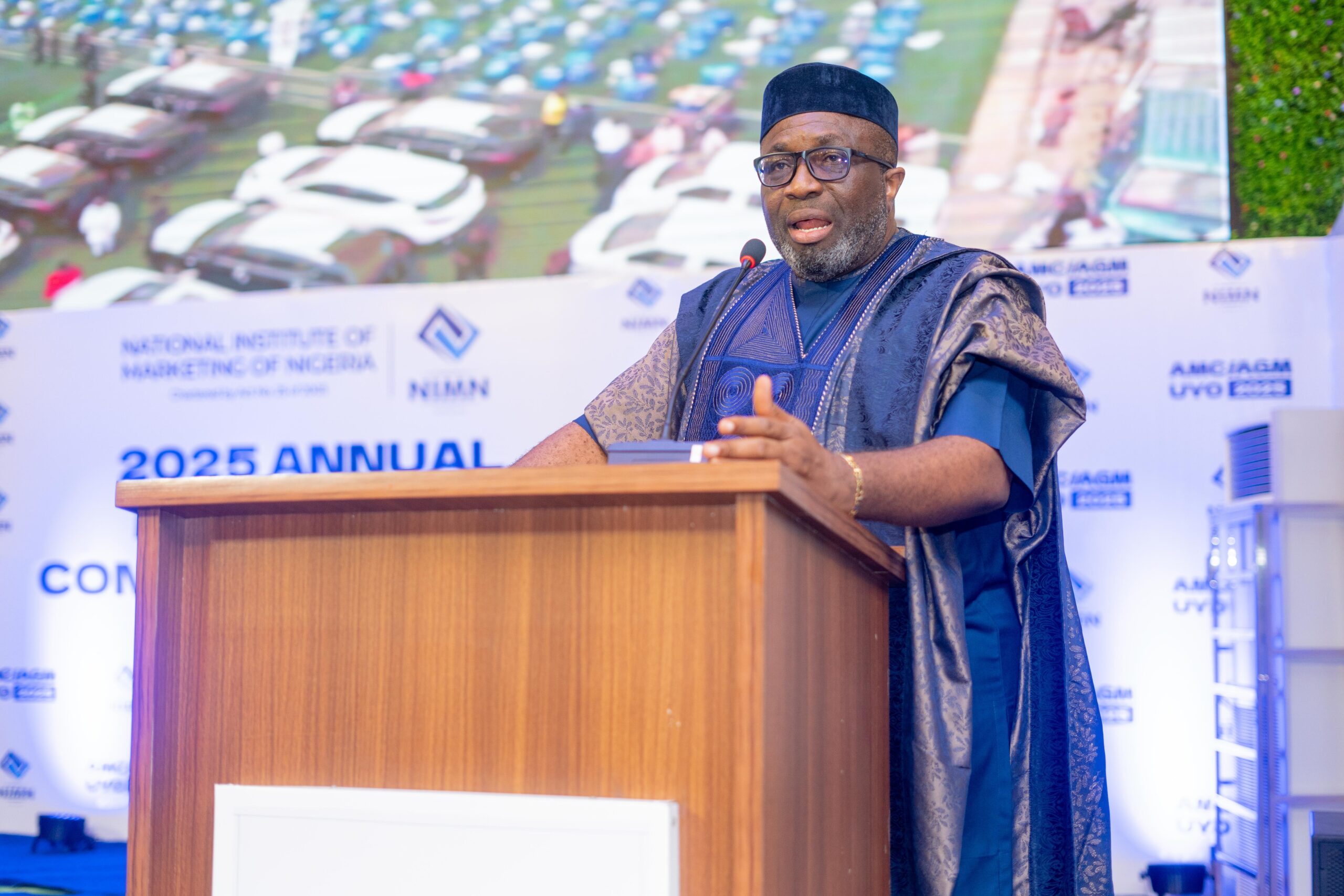

Pan-Atlantic University has held its 26th Inaugural Lecture, where Professor Ekundayo Peter Mesagan examined the challenges facing oil-producing and developing nations as they balance economic growth with environmental sustainability.
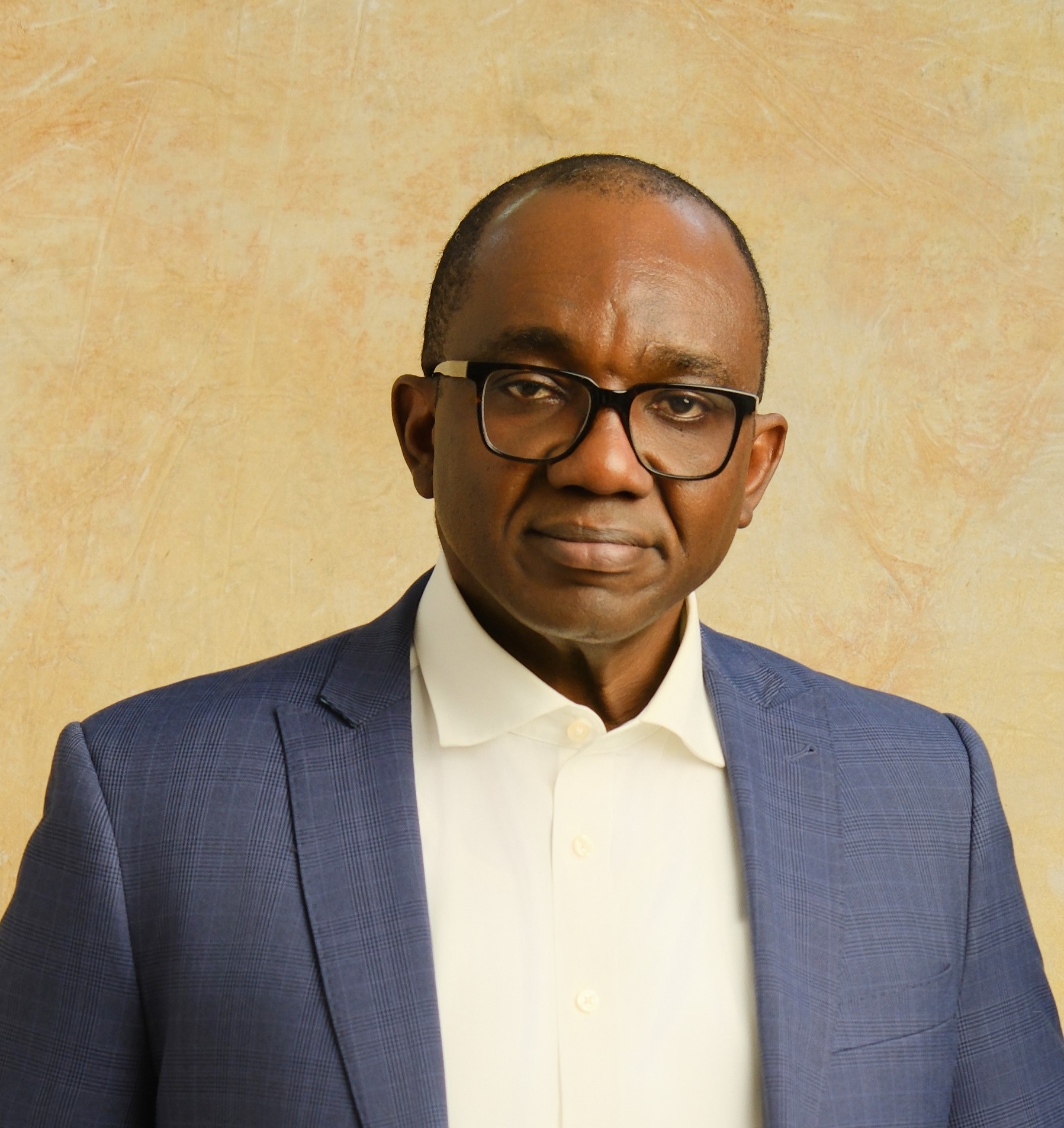
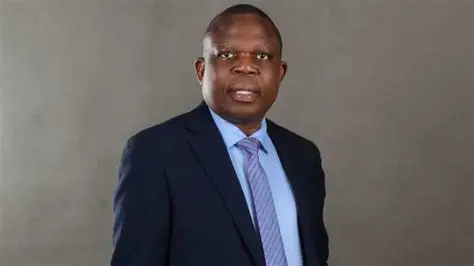
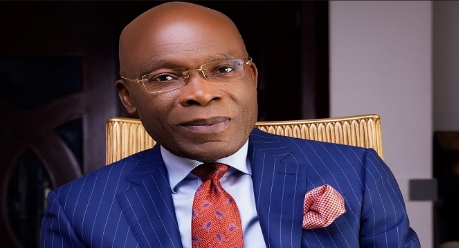
The lecture, titled “Making Lemonade from Lemons: The Fossil Energy & Sustainability Puzzle,” took place at the Honeywell Group Auditorium of Lagos Business School. Professor Mesagan is a Professor of Energy and Environmental Economics in the university’s School of Management and Social Sciences.
Introducing the lecturer, the Vice-Chancellor, Professor Enase Okonedo, highlighted his contributions to research, public policy and economic development. She noted that his areas of expertise include energy and environmental economics, industrial policy, natural resources and sustainable development.
Professor Okonedo also referenced his involvement in the drafting committee for Nigeria’s Agenda 2050 under the Federal Ministry of Budget and Economic Planning, alongside his engagements with the Nigerian Economic Summit Group and the Nigerian Institute of Social and Economic Research.
During his presentation, Professor Mesagan explored the difficulties of reducing dependence on fossil fuels without undermining the economic development of countries that rely heavily on oil and gas revenue.
He questioned how developing nations could respond to international calls for cleaner energy while addressing their domestic needs, particularly in countries where access to reliable and affordable energy remains a major concern.
According to him, the transition to renewable energy is not as straightforward as replacing fossil fuels with alternative sources. Technological limitations and cost considerations mean oil and gas are likely to remain significant components of the global energy mix for years to come.
He also argued that Africa must pursue an energy transition that reflects its unique economic circumstances rather than simply adopting the approach taken by Europe. For the continent, expanding electricity access, reducing poverty and stimulating economic growth must remain central to energy policies.
The professor further noted that natural resource wealth alone does not determine a country’s economic future. He explained that effective governance, sound policies, technological innovation and strategic investment play important roles in determining whether countries can turn their resources into sustainable development.
He identified emerging technologies, including cleaner industrial processes and carbon capture and storage, as potential contributors to a more sustainable energy system. He also stressed the importance of financial systems that support environmentally responsible investments.
Professor Mesagan maintained that energy transition policies must address poverty and energy accessibility if they are to deliver meaningful results. He called for stronger collaboration among economists, engineers, policymakers, environmental scientists and other professionals to develop solutions that account for both environmental concerns and development needs.
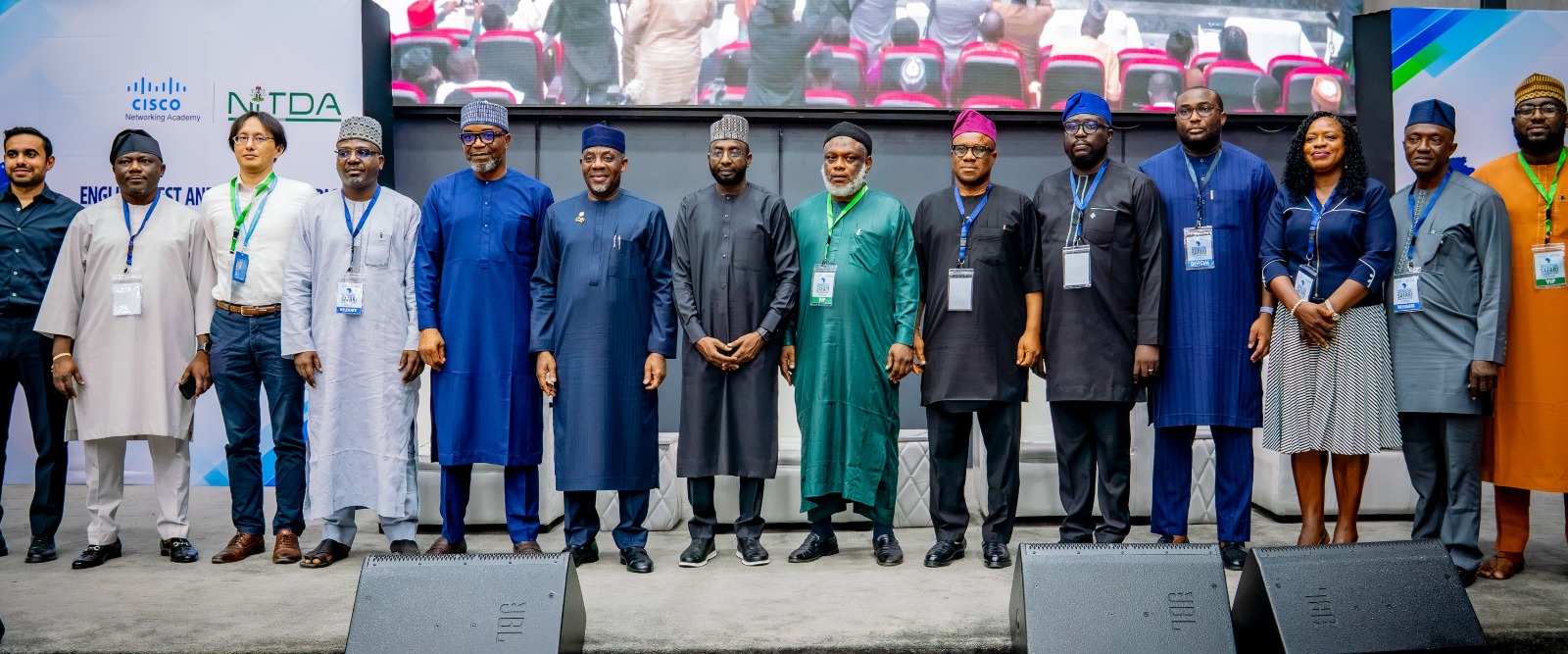
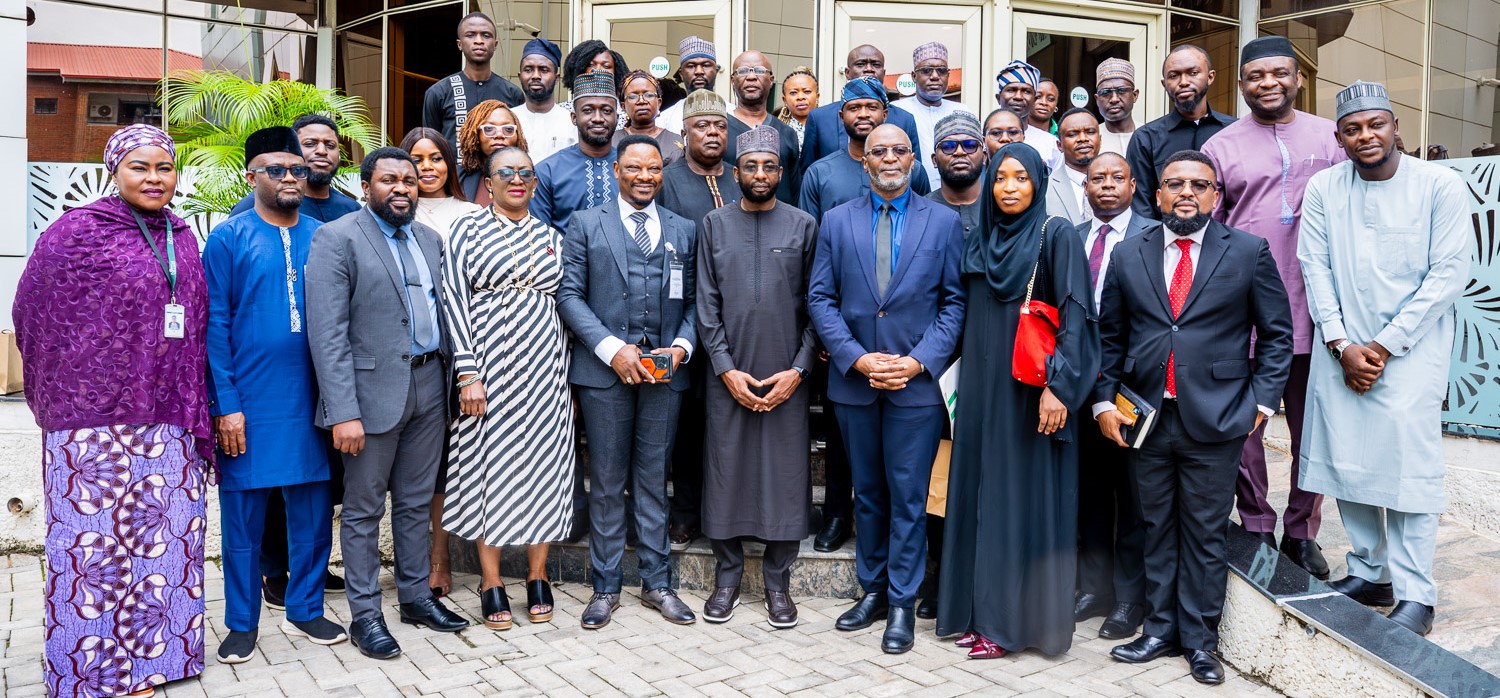
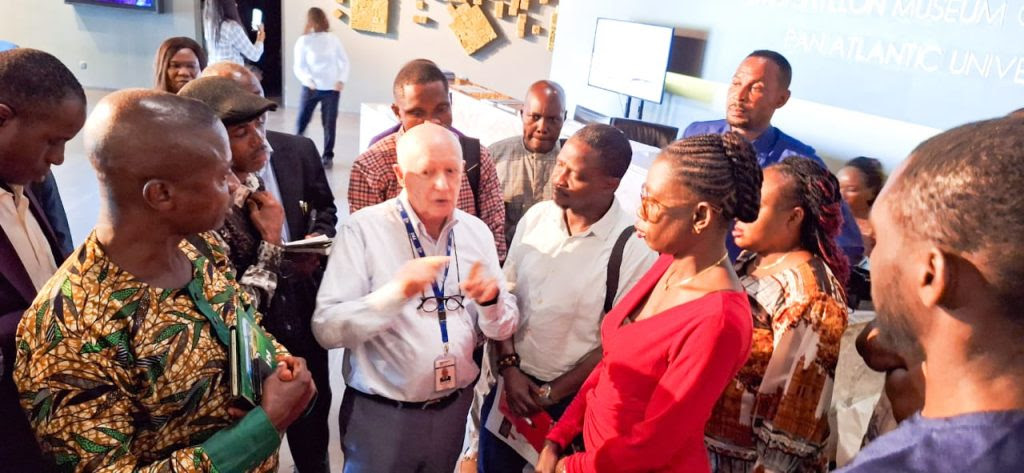
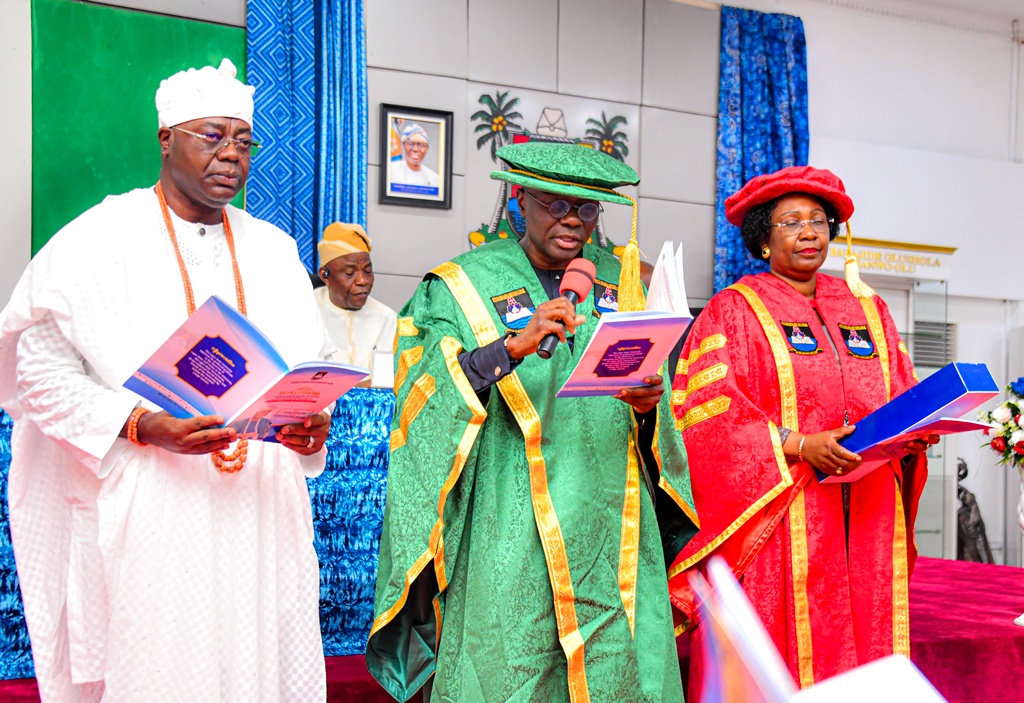
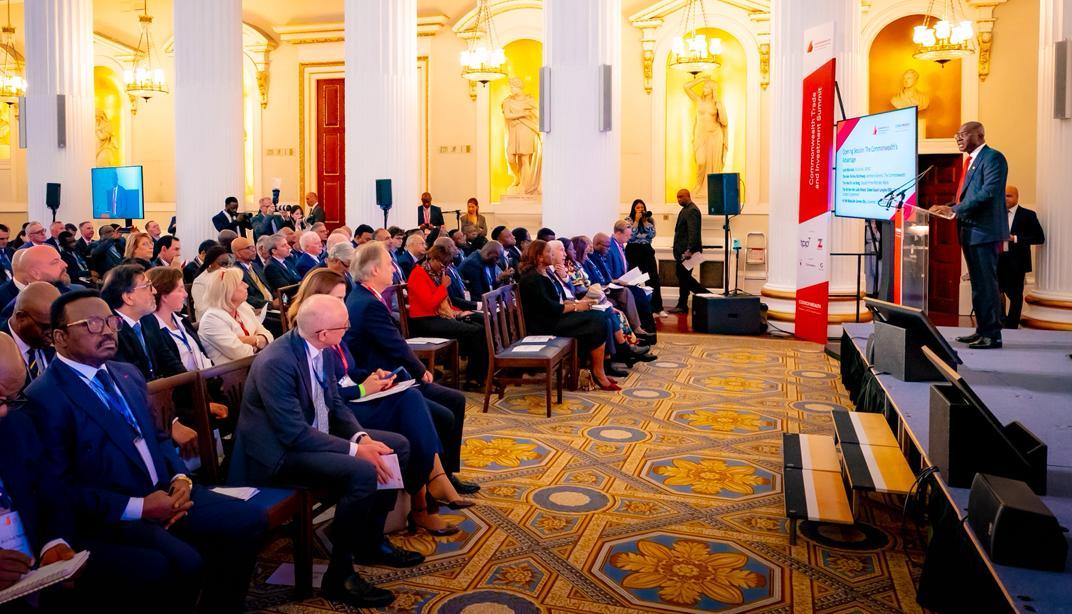
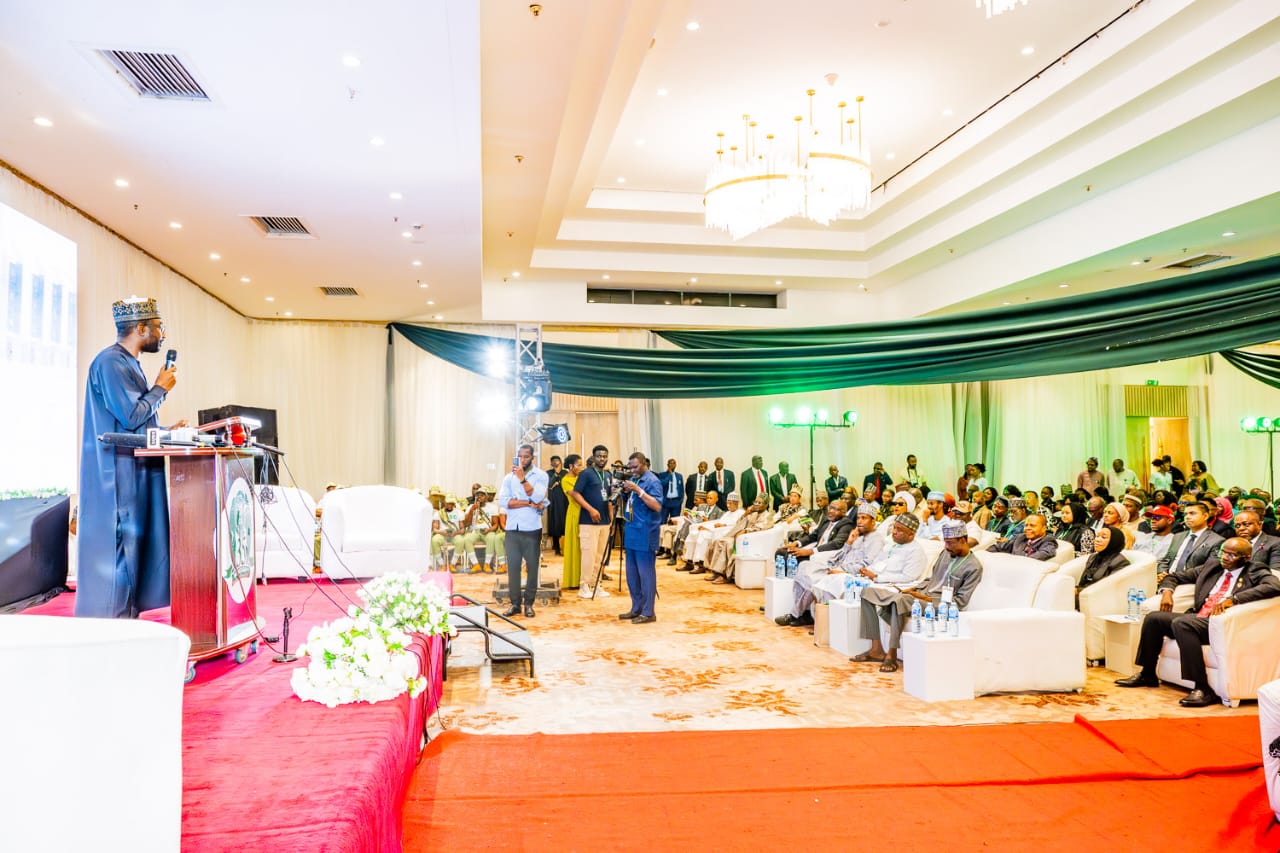
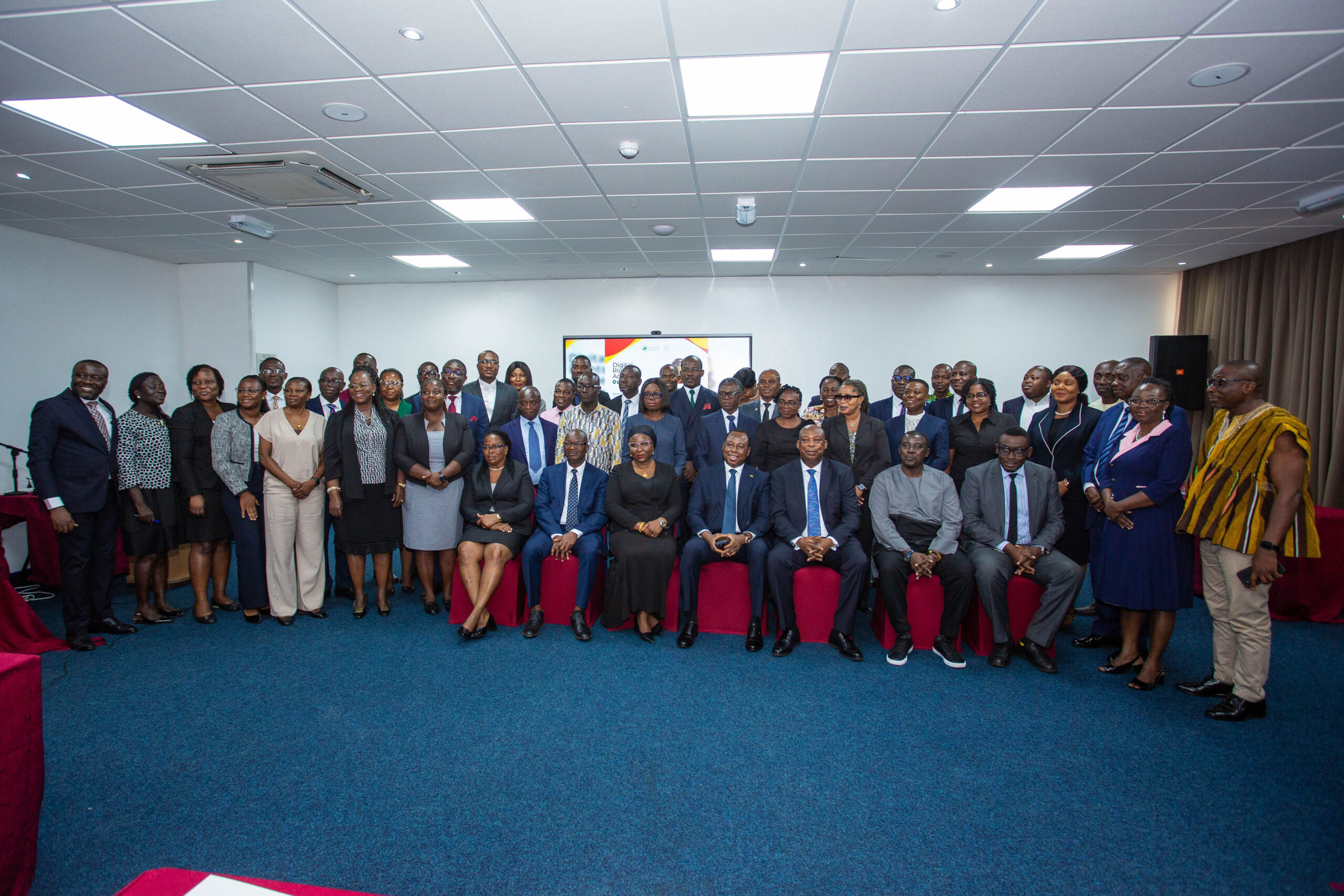
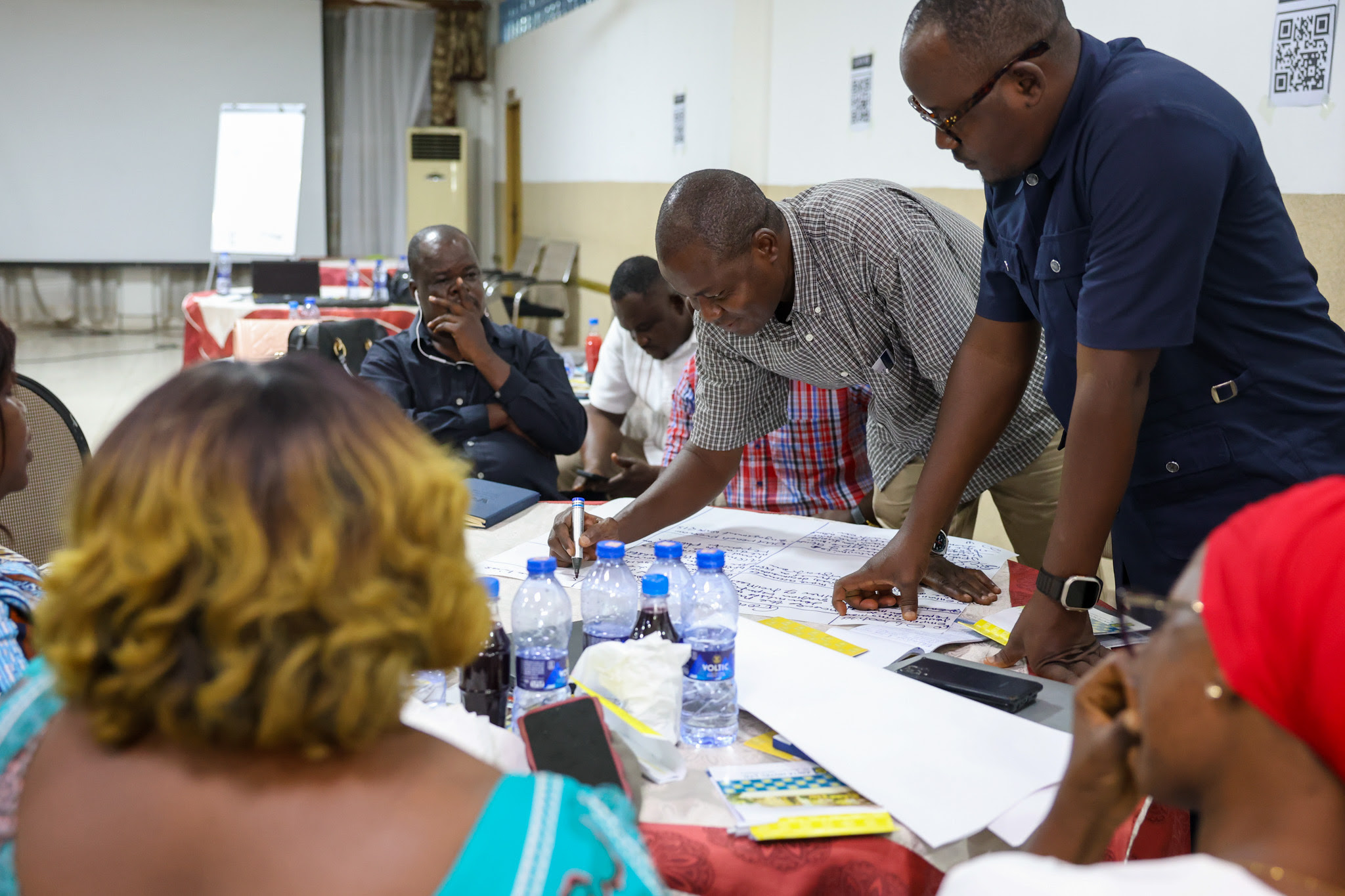
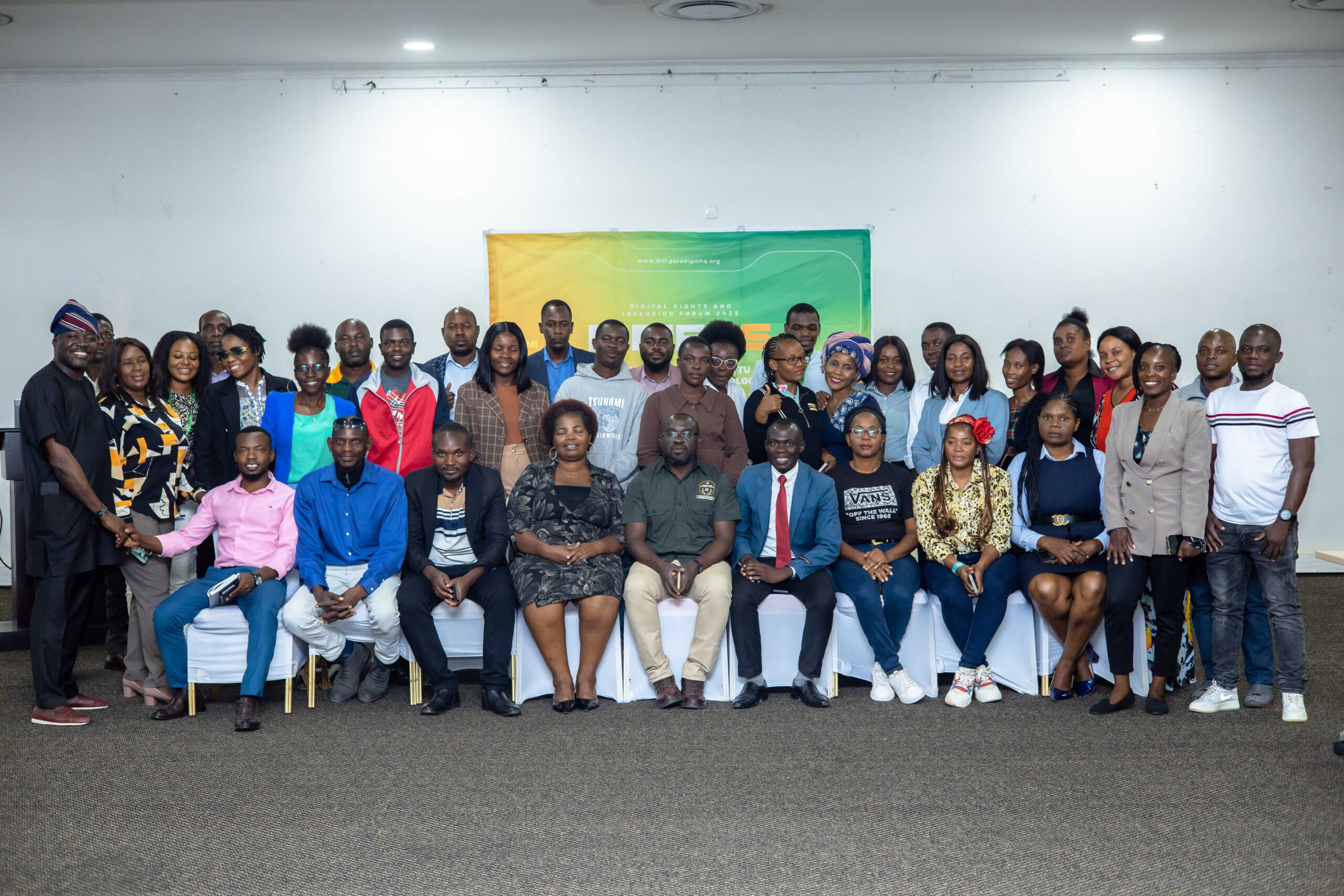
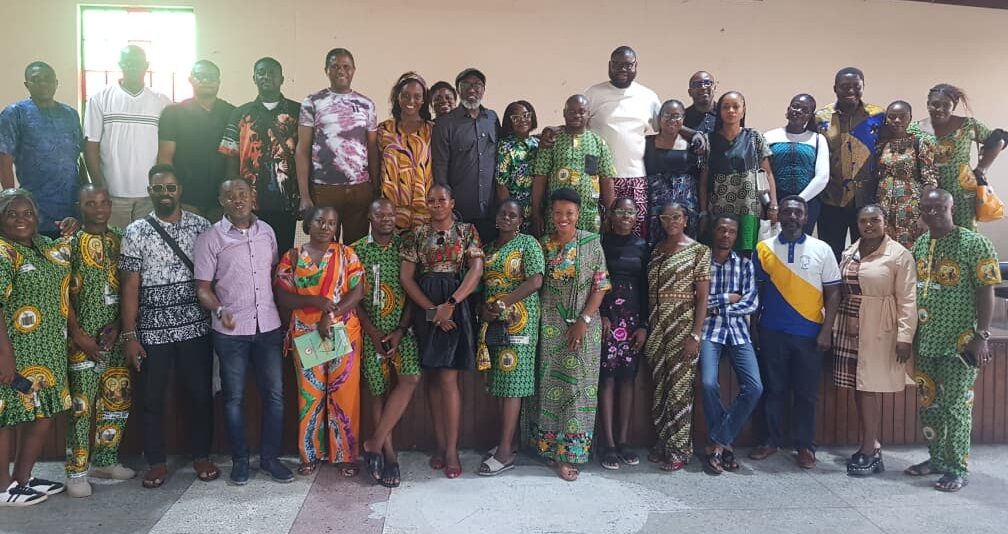
The inaugural lecture attracted university principal officers, members of Senate, academics, students, alumni, industry representatives, policymakers and other members of the public.