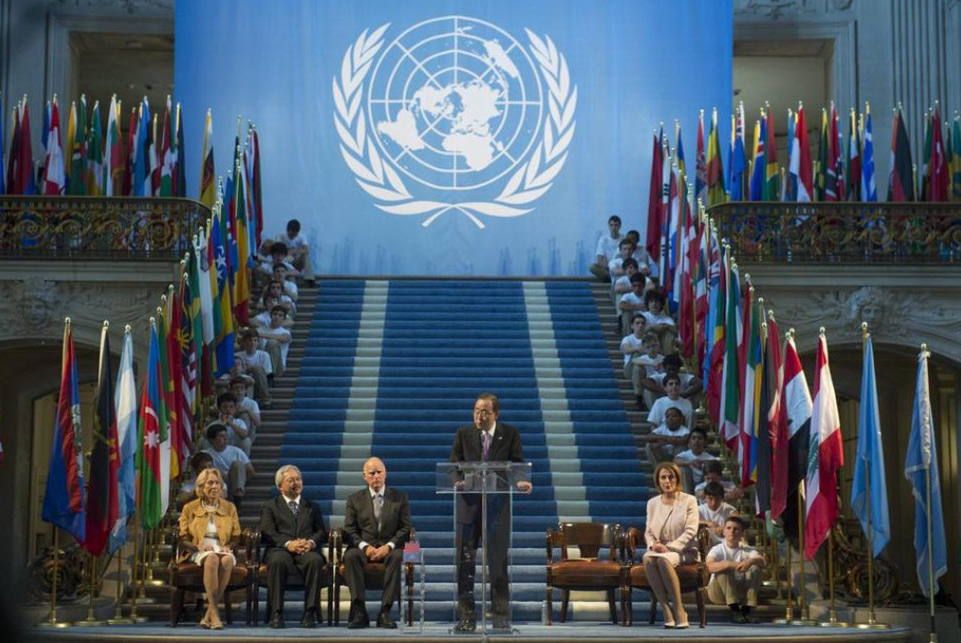
The United Nations General Assembly has approved a 3.45 billion-dollar regular budget for the 2026 financial year following weeks of intensive negotiations.
The budget approval came amid the implementation of UN80, described as one of the Organisation’s most significant reform initiatives. The decision was taken on Tuesday by the 193-member General Assembly.
Under the approved plan, a total of 3,450,426,300 dollars has been authorised for 2026 to support the UN’s three core pillars: peace and security, sustainable development, and human rights.
The budget largely reflects the Secretary-General’s proposal for a 15 per cent reduction in financial resources alongside a nearly 19 per cent cut in staffing, marking a major cost-cutting effort across the Organisation.
The UN’s regular budget funds its core activities, including political affairs, international justice and law, regional cooperation for development, human rights, humanitarian affairs and public information. It is distinct from the UN peacekeeping budget, which operates on a July 1 to June 30 fiscal cycle, while the regular budget runs on a calendar-year basis.
General Assembly Signals Staffing Cuts After Budget Approval
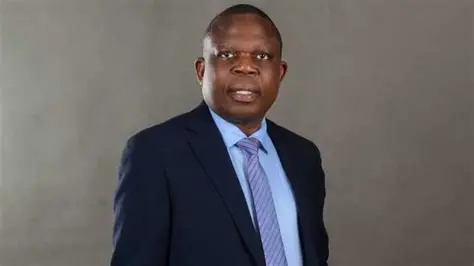
UN Controller Chandramouli Ramanathan commended delegates of the Fifth Committee—the General Assembly’s main administrative and budgetary body—for concluding negotiations within a tight timeframe. He praised the committee for steering what he described as a complex and compressed process to a timely conclusion.
“It has been a year of challenges,” Ramanathan said, noting that the Secretariat was required to assemble an entire budget in less than six weeks, producing hundreds of tables and responding to thousands of questions from oversight bodies and Member States.
He cautioned that the adoption of the budget marked the start of an intensive implementation phase rather than its conclusion.
According to Samantha, as of January 1, 2026, 2,900 positions will be abolished, while no fewer than 1,000 staff separations have already been finalised. He said this would require careful management to ensure affected personnel continue to receive their salaries and entitlements during the transition.
Samantha also welcomed what he described as a record level of potential advance payments by Member States toward the 2026 budget and appealed for the continued prompt payment of assessed contributions.
For more global policy updates, in-depth international news, and insightful analysis that matters, visit LouisaOlaniyi.com.ng stay informed on decisions shaping the world.