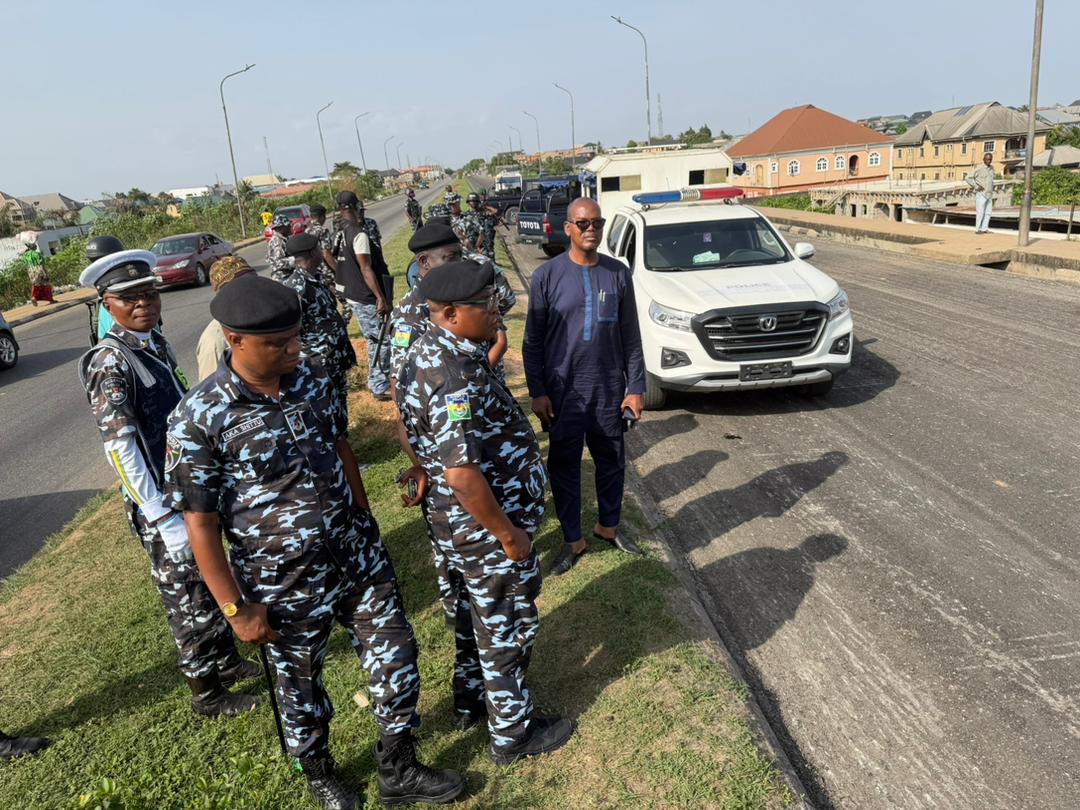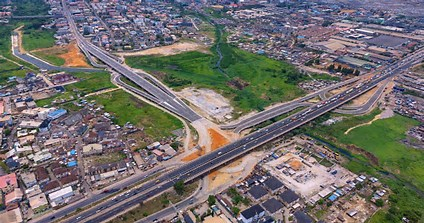

The Federal Government has reopened the First Niger Bridge, which connects Onitsha in Anambra State to Asaba in Delta State, following approximately 38 days of emergency rehabilitation work.
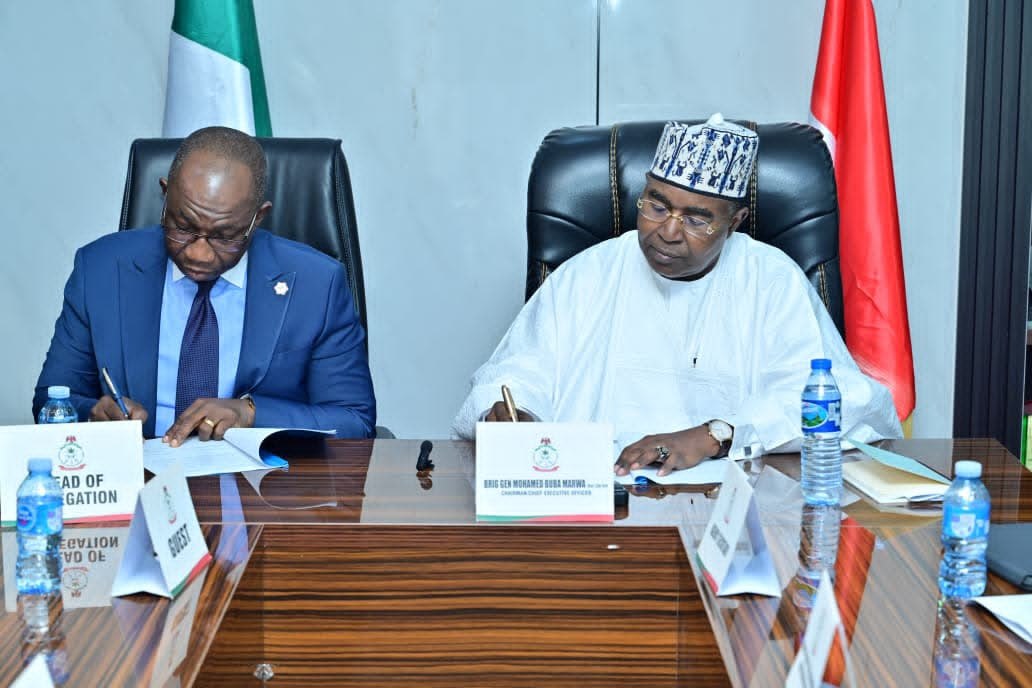
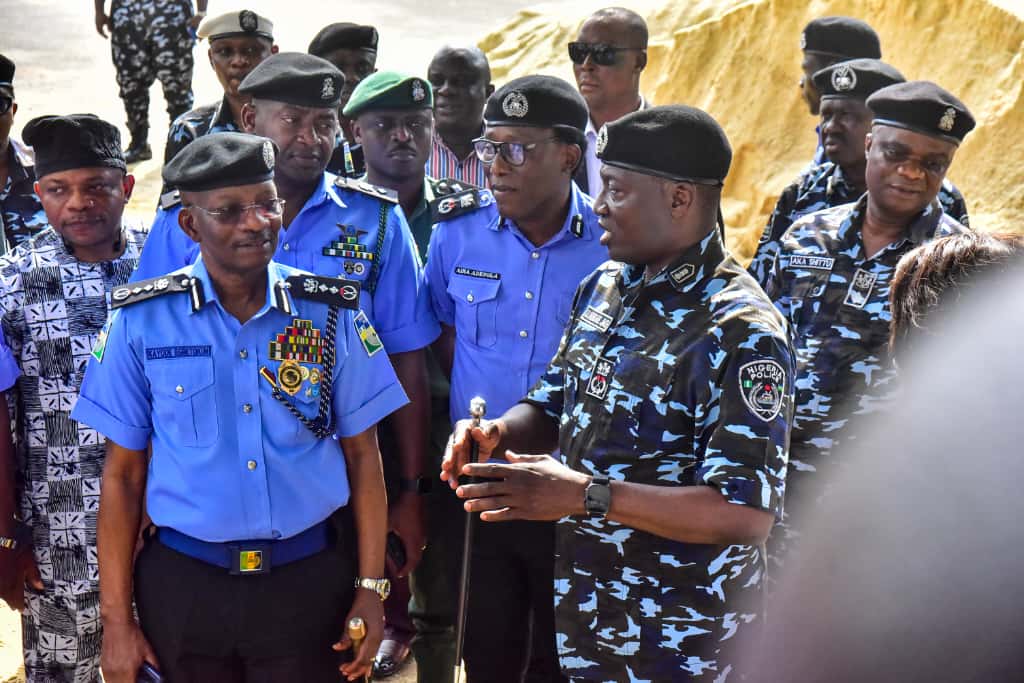
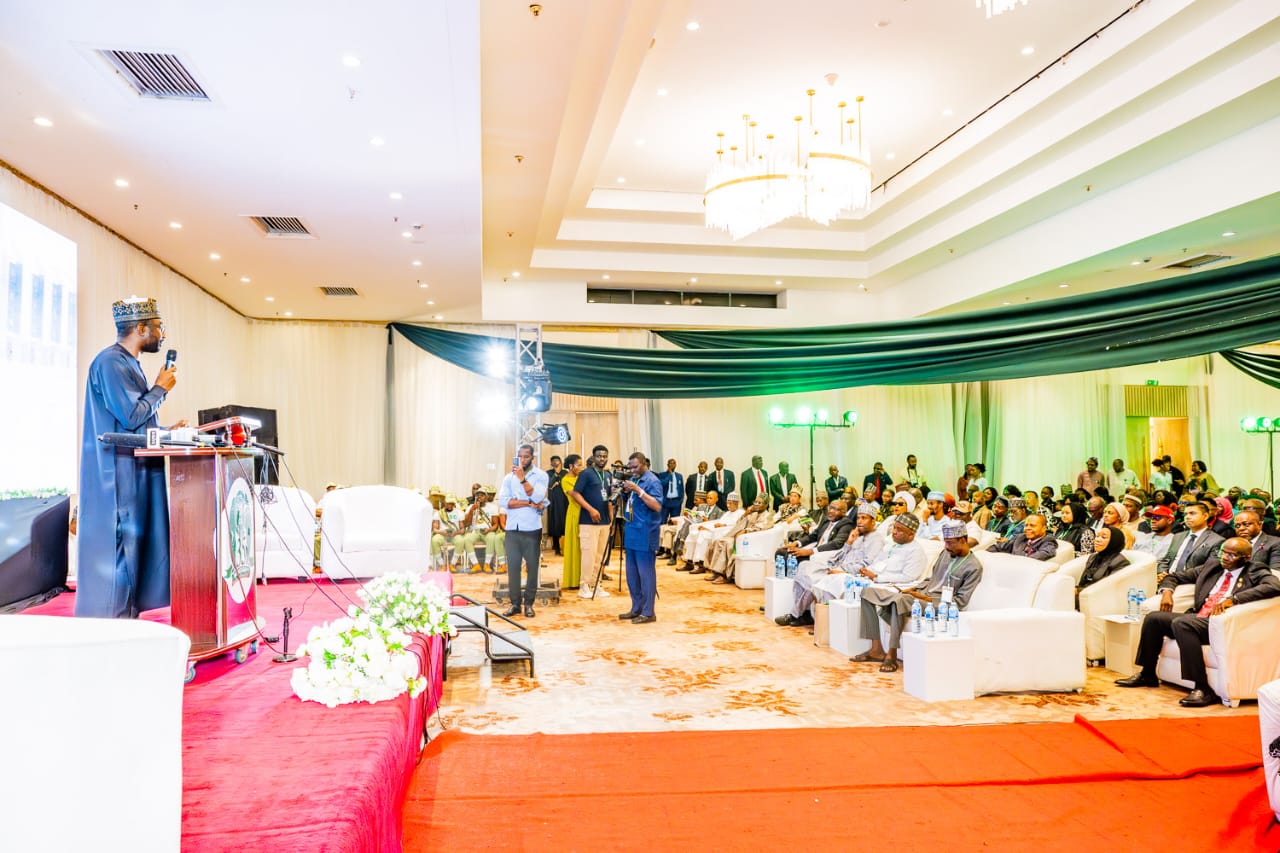
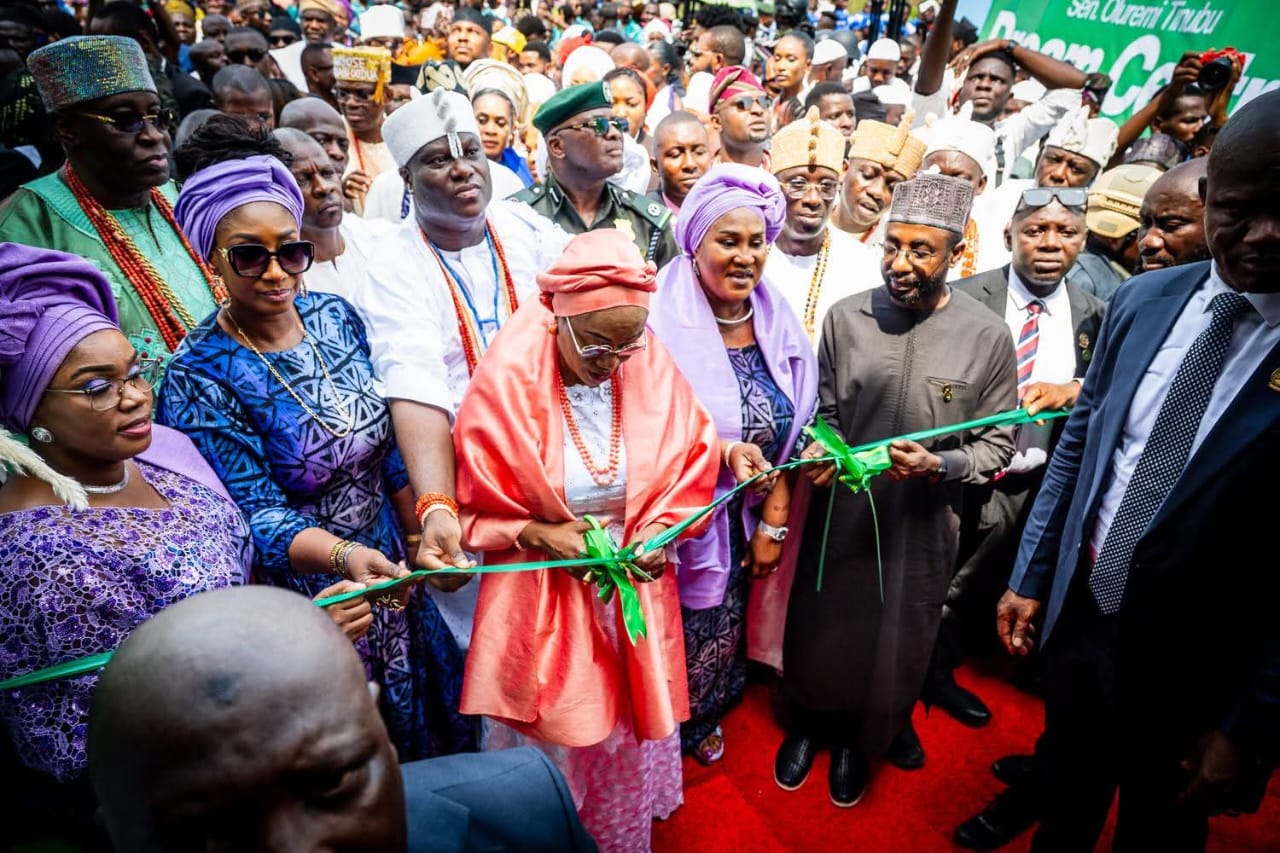
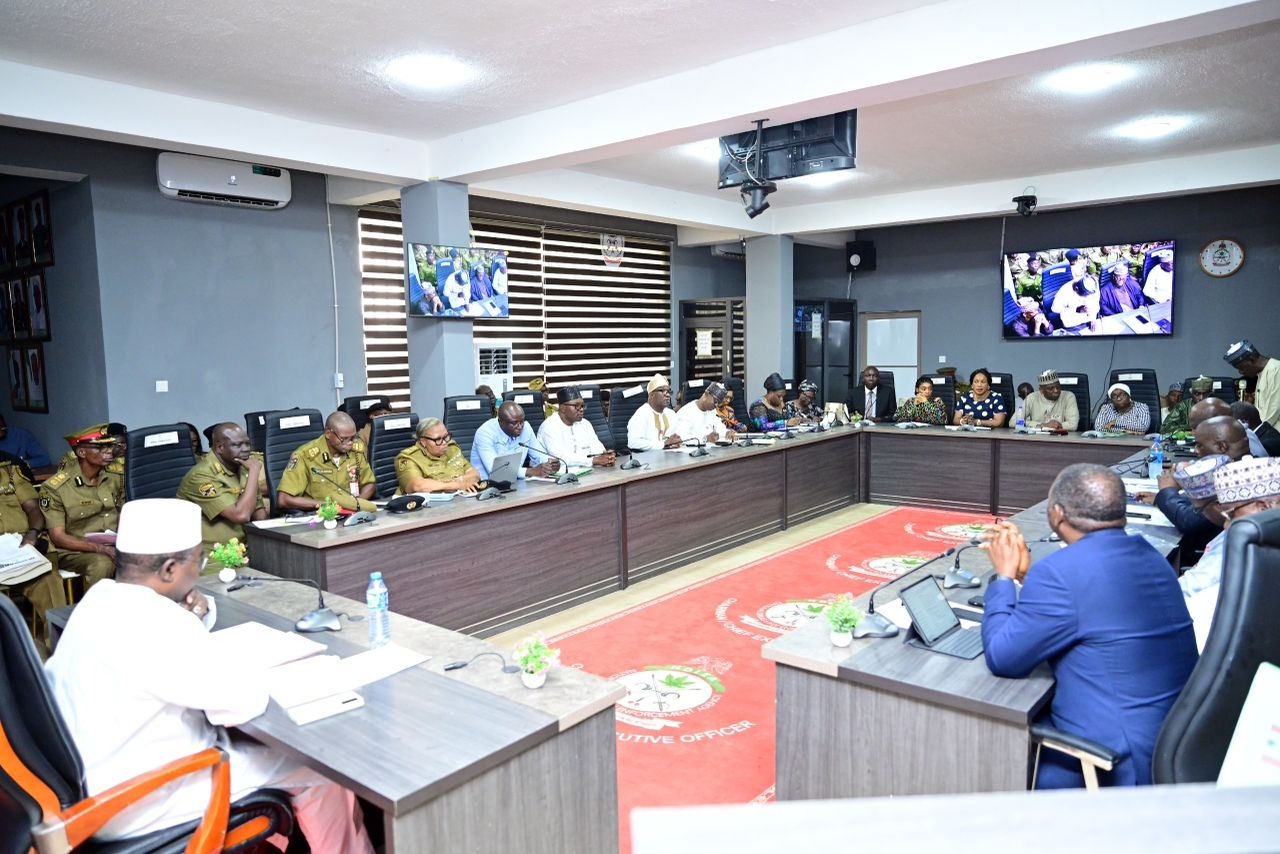
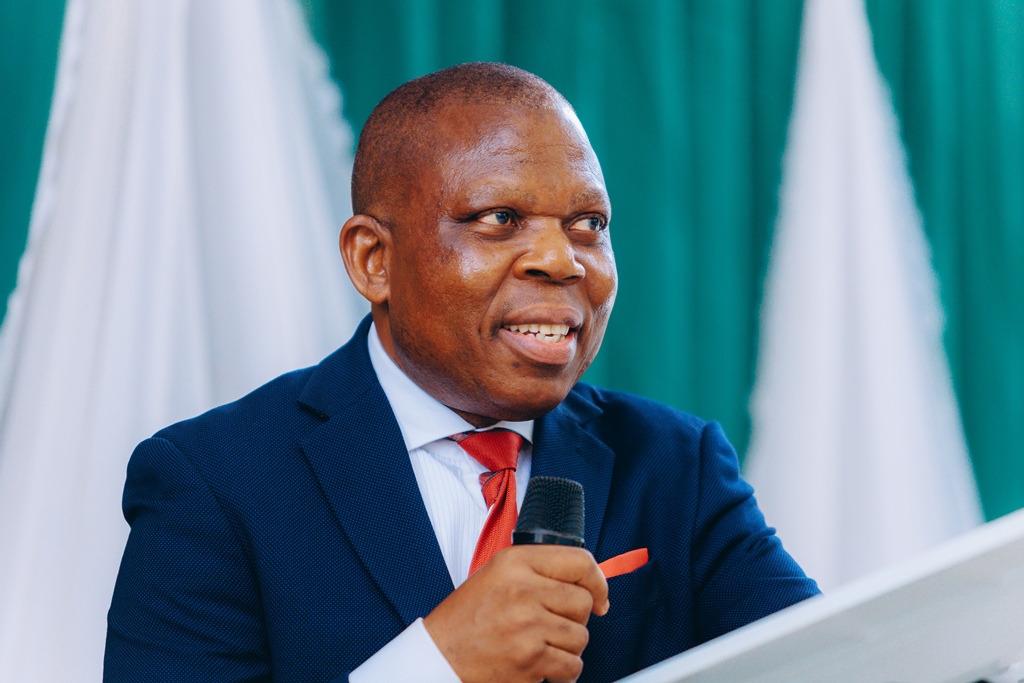
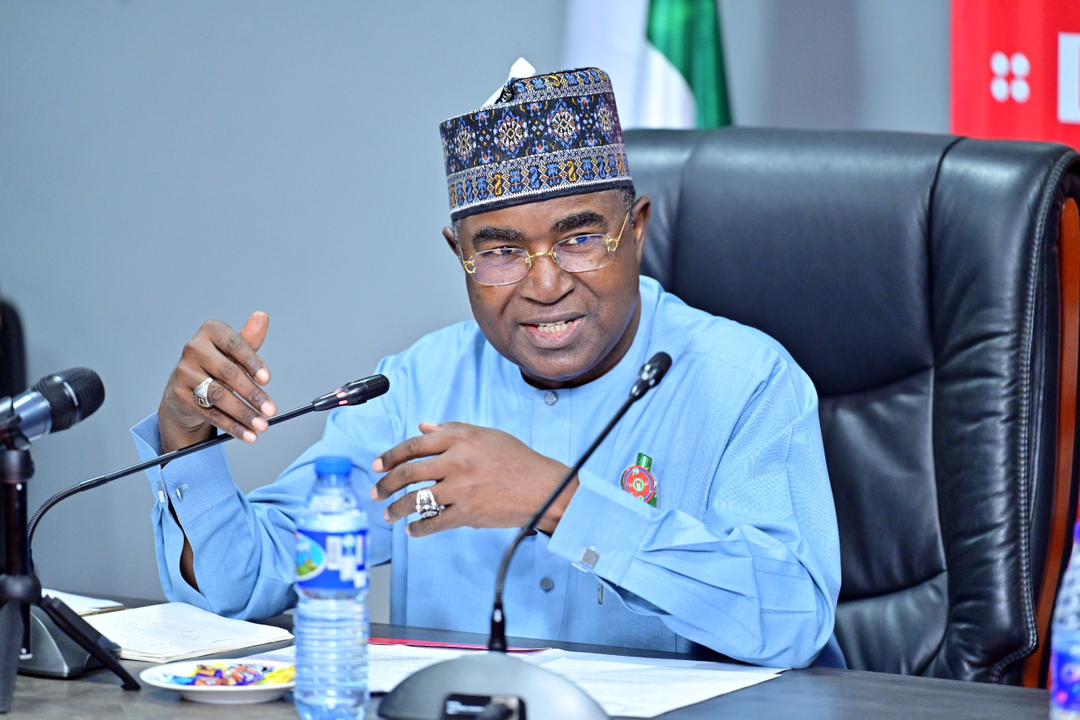
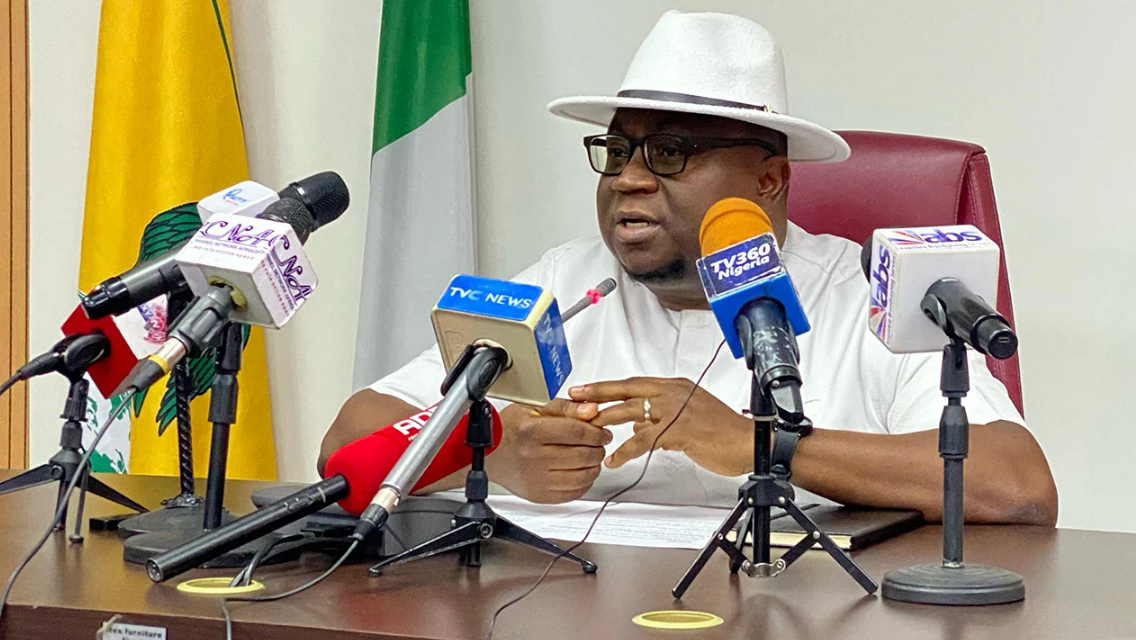
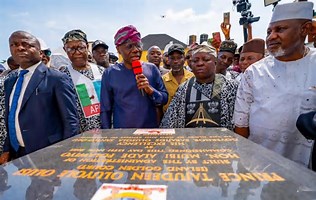
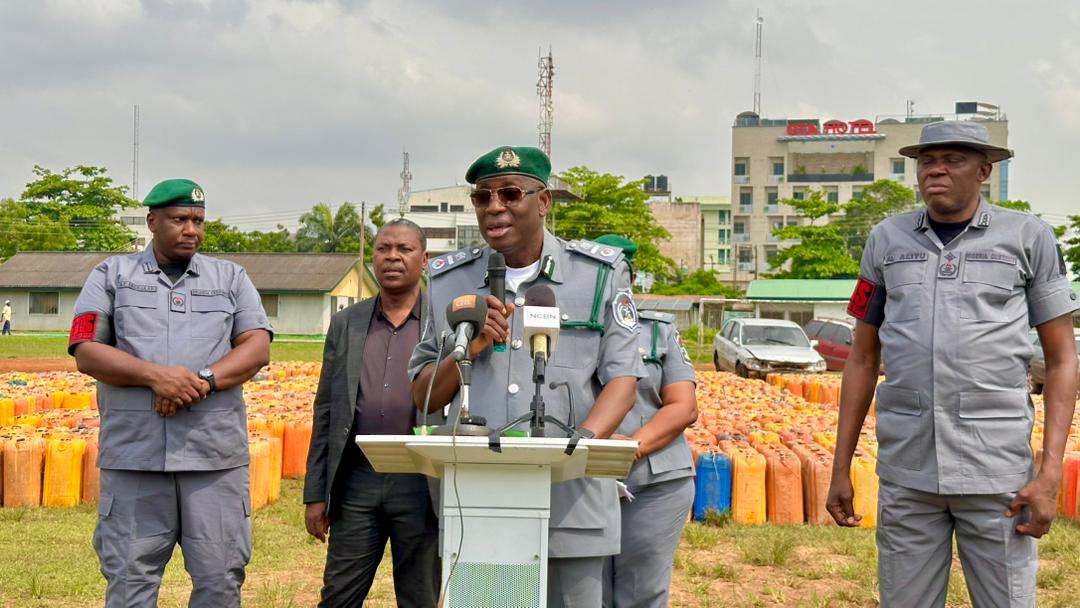
The Minister of Works, Dave Umahi, officially reopened the bridge on Thursday, October 15, alongside government officials, representatives of both states and traditional rulers.
The bridge was shut on September 7 after vandalised structural components, including parts of its expansion joints, were discovered. The closure, initially expected to end on September 21, was extended due to persistent rainfall and other delays.
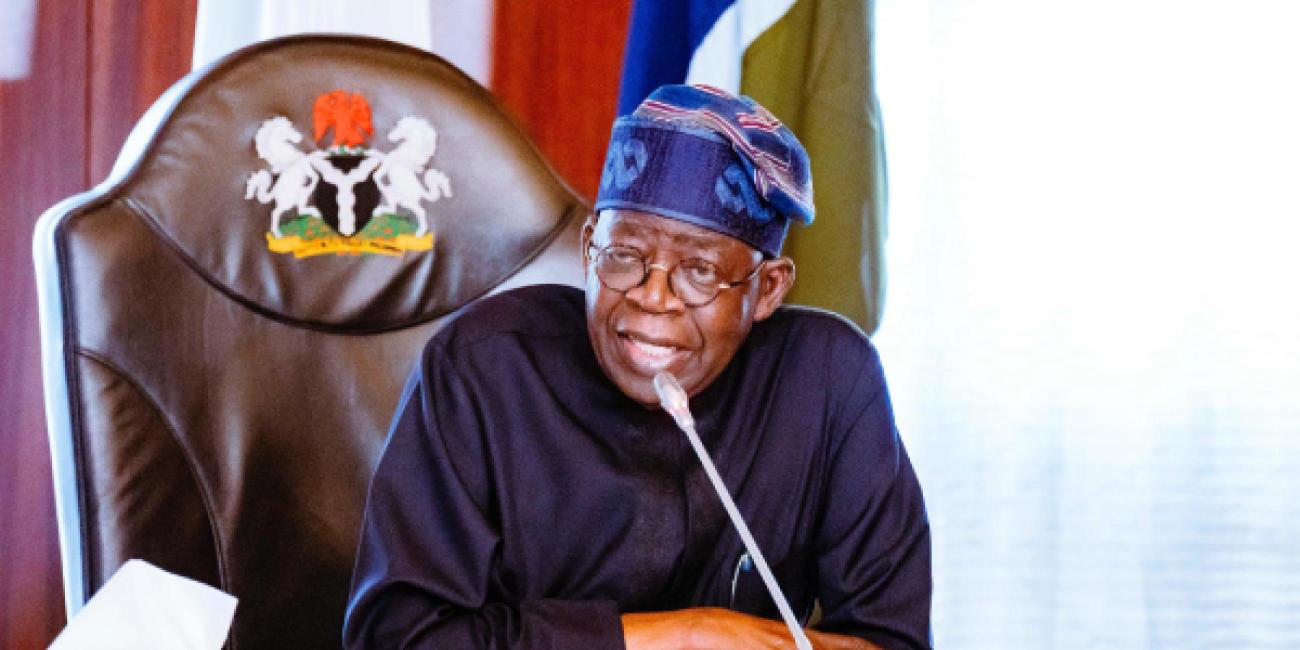
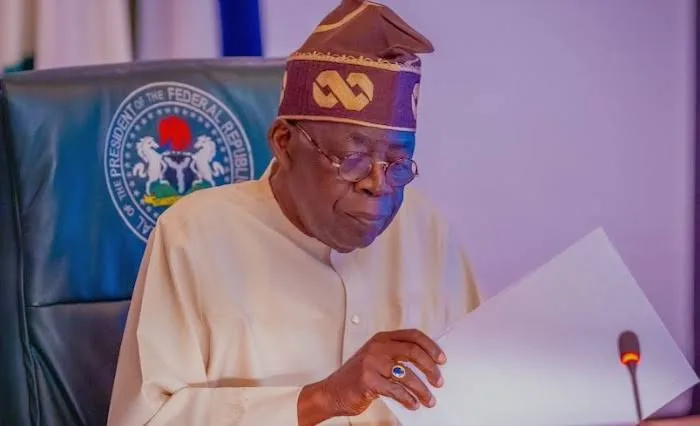
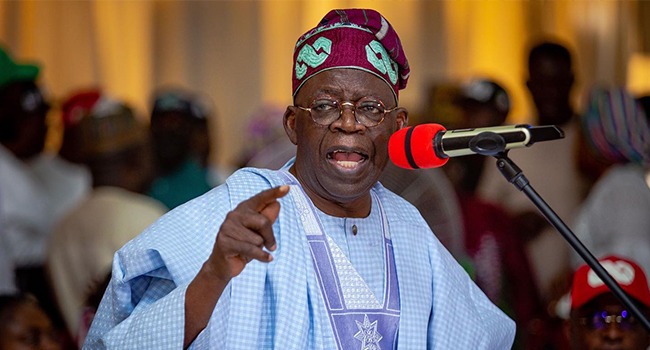
Speaking at the reopening ceremony, Umahi commended President Bola Tinubu for infrastructure projects in the South-East and South-South regions. He also called on residents to support the President’s re-election bid, expressing satisfaction with the administration’s interventions in the region.
The minister praised the contractor, SKCC, as well as the governors of Anambra and Delta states, for their contributions to the rehabilitation project. He noted, however, that some work on the bridge remained unfinished.
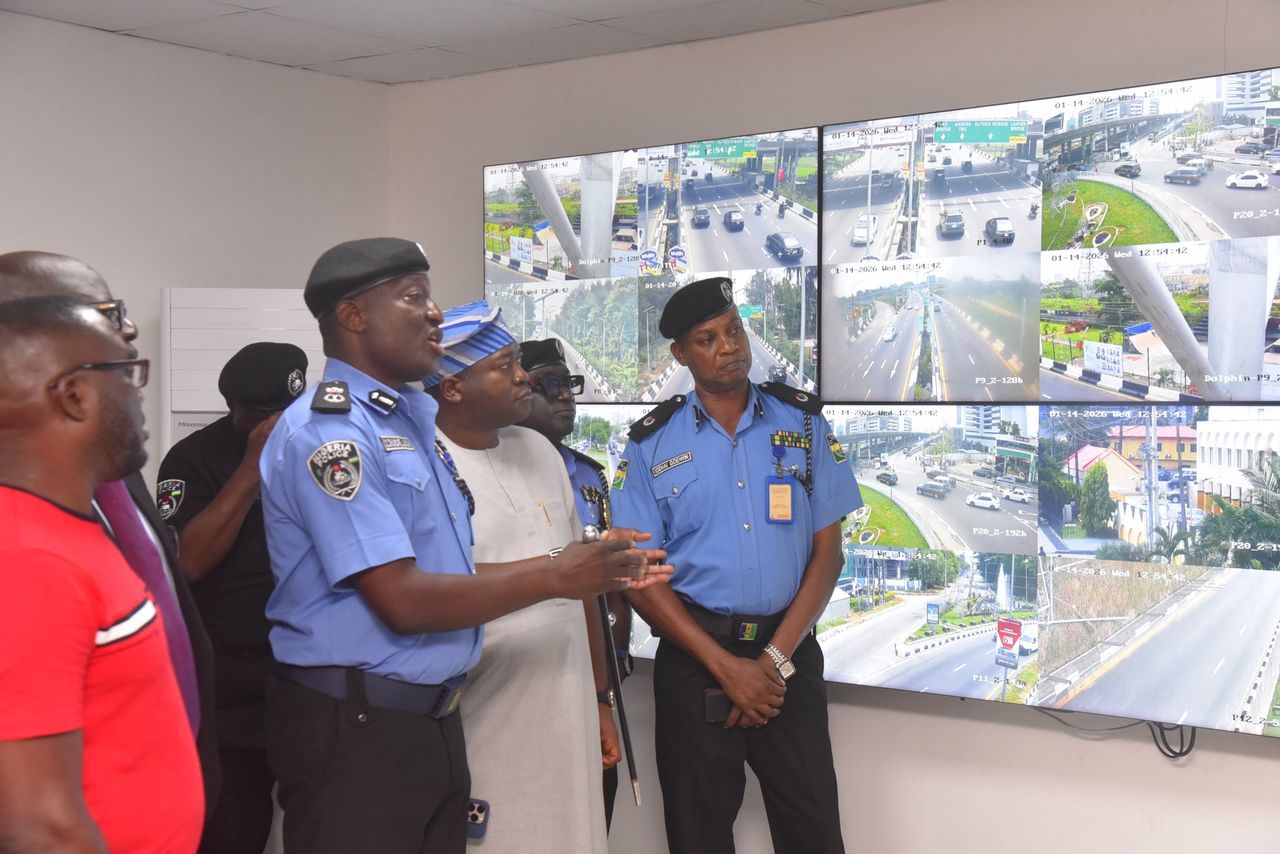
Observations at the site showed that sections of the bridge had been repainted, new road demarcations installed and CCTV cameras mounted at different points. Photographs of President Tinubu and Vice President Kashim Shettima, alongside All Progressives Congress banners, were also displayed on the bridge railings.
Umahi had earlier announced plans to display the President’s photographs on the bridge, citing the Federal Government’s infrastructure efforts in the South-East.
Completed in 1965, the First Niger Bridge remains a critical transportation link between Nigeria’s South-East and South-South regions. Traditional rulers at the reopening ceremony described the rehabilitation as a significant intervention, noting that the bridge had not undergone major rehabilitation of this scale since it was opened.
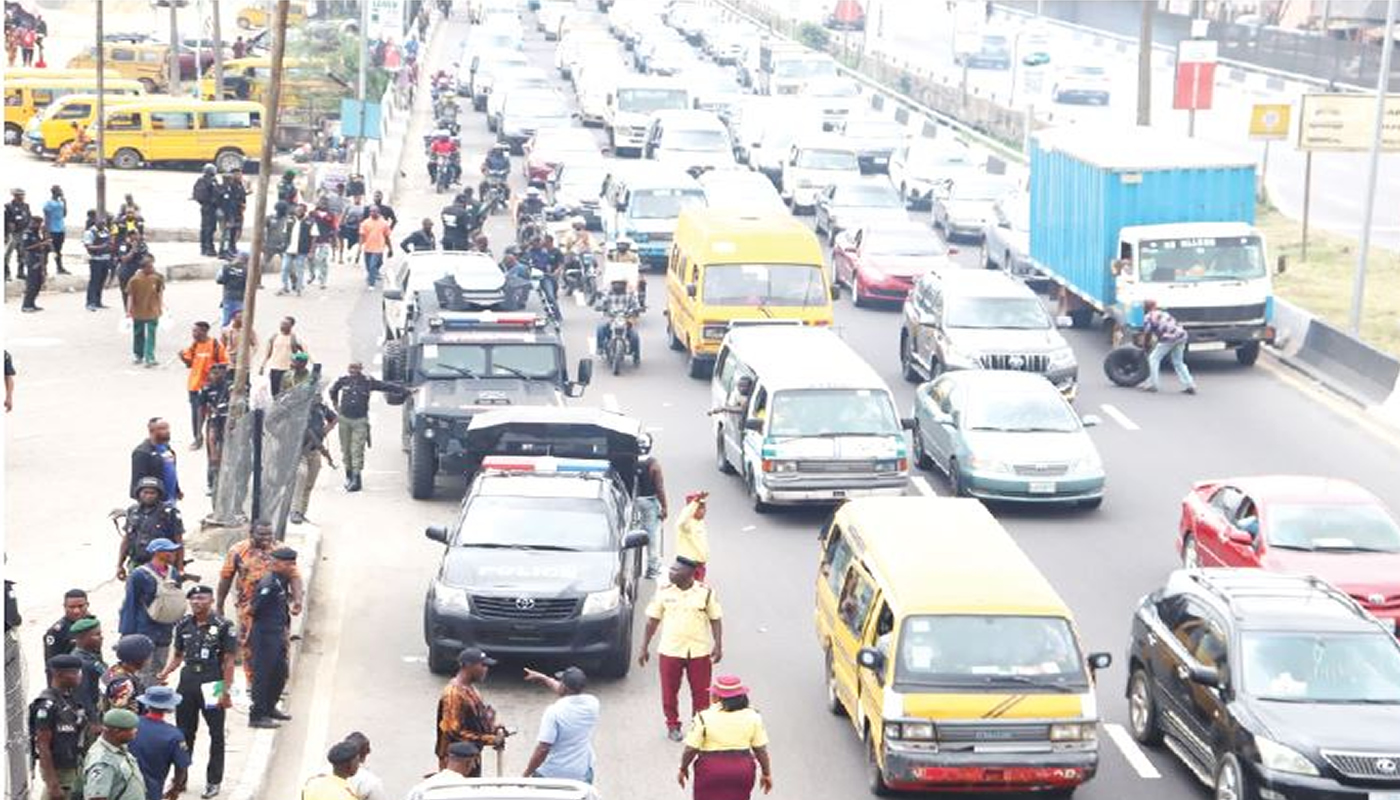
Motorists also welcomed the reopening, saying it would ease commuting difficulties and reduce the high transport costs associated with alternative routes during the closure.
Credit: Punch Newspapers | Report by Ikenna Obianeri | October 16, 2026.