
- June 10, 2026
- Admin User
- 0
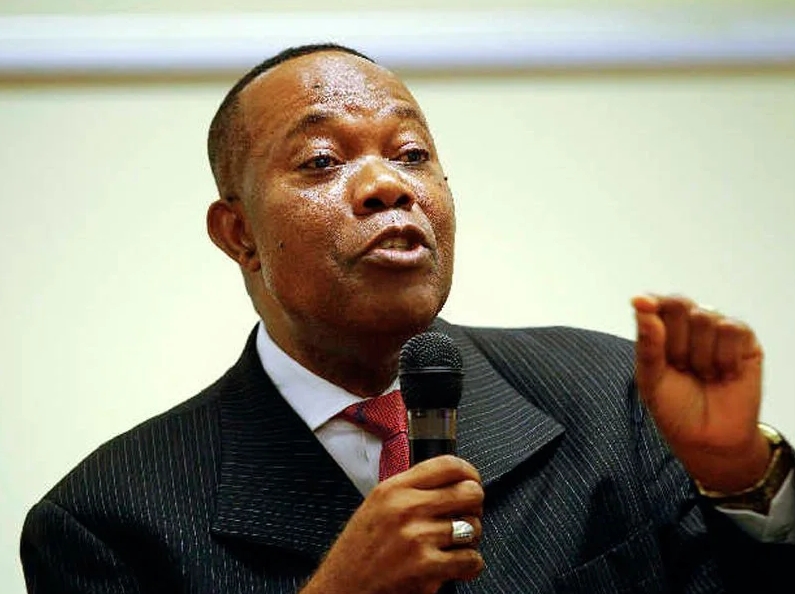
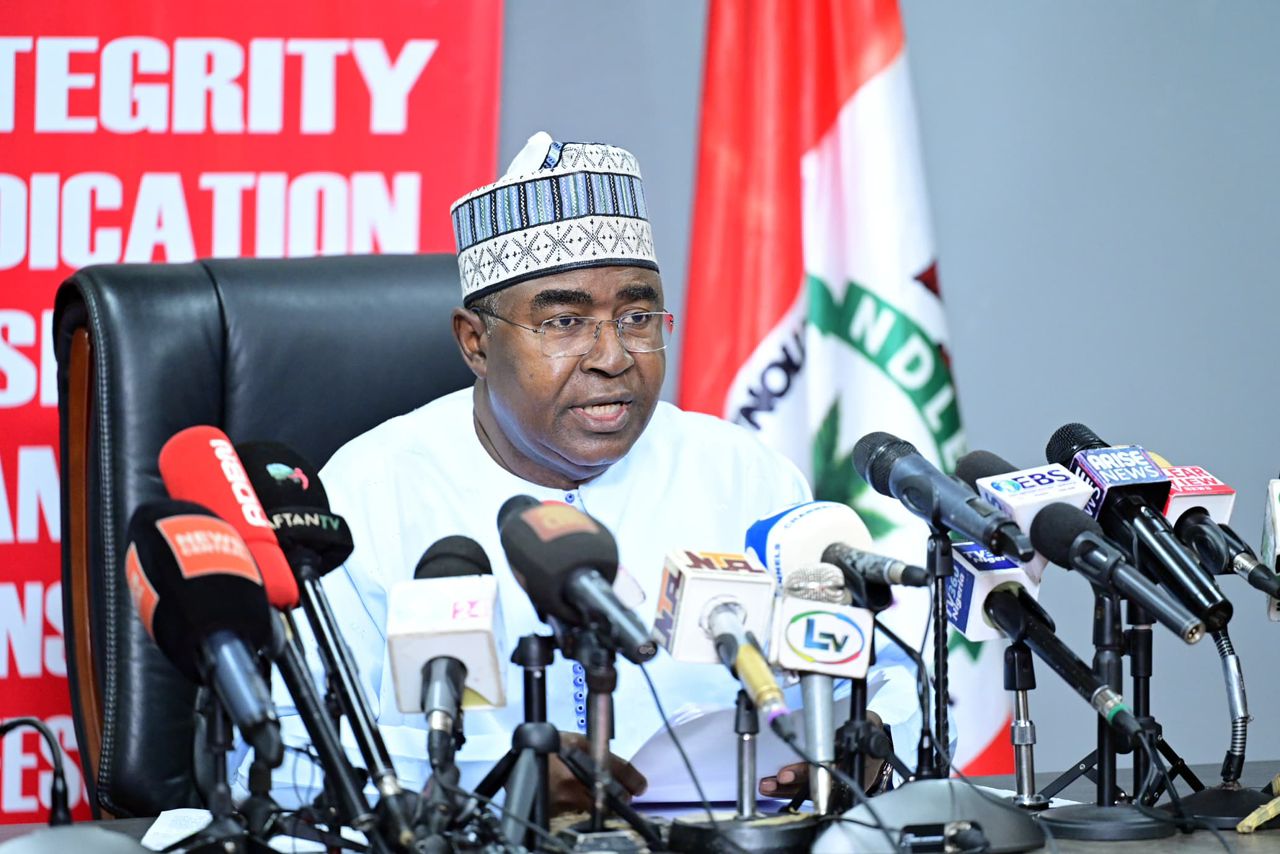
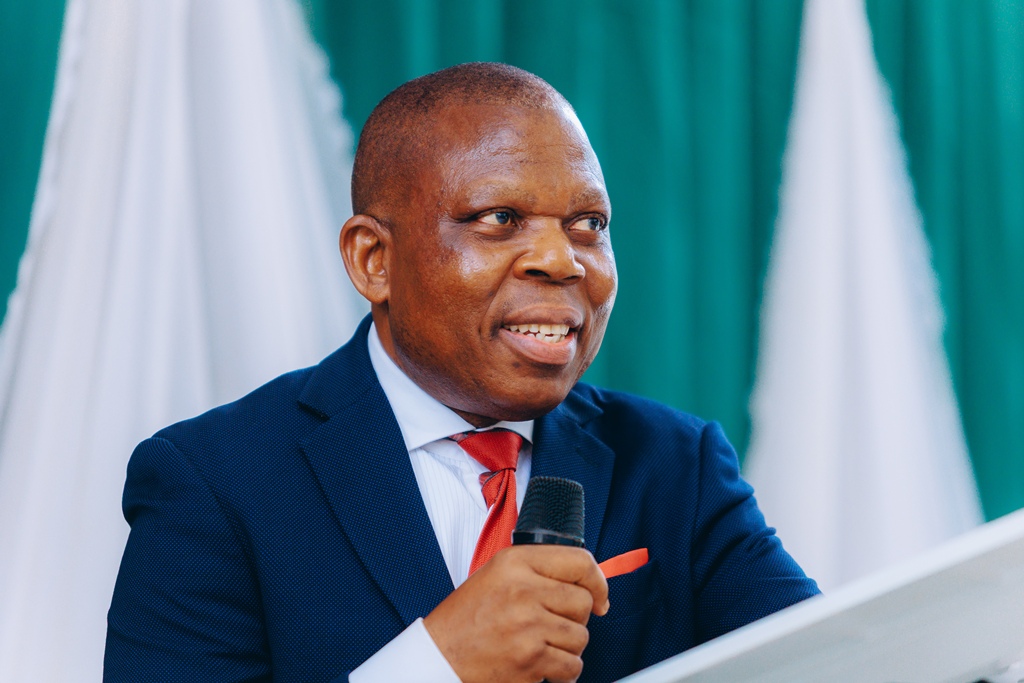
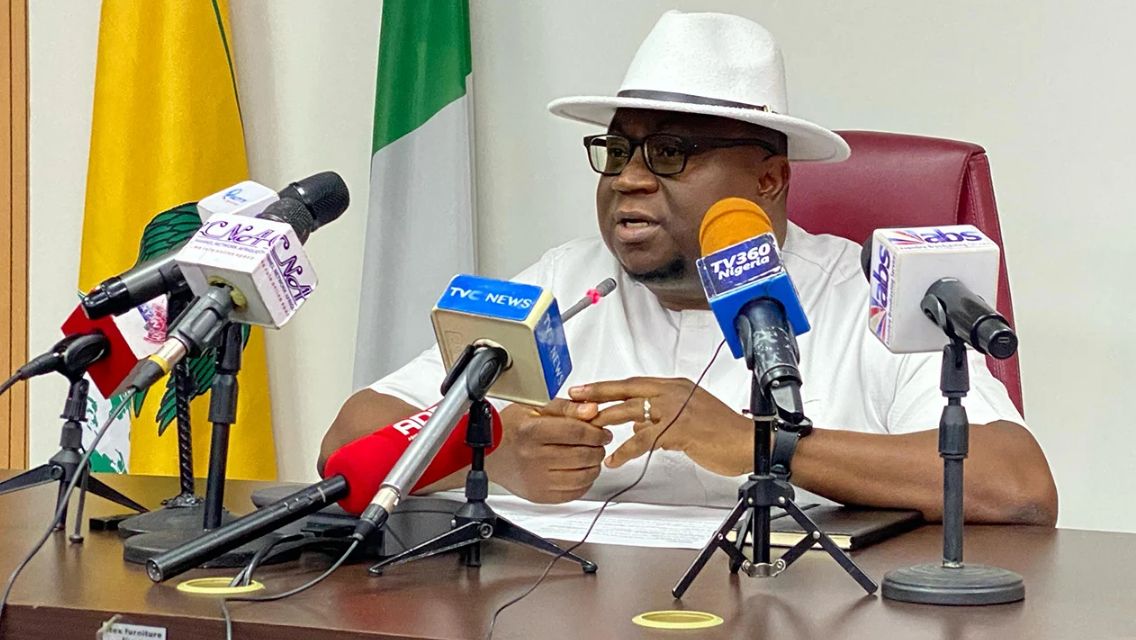
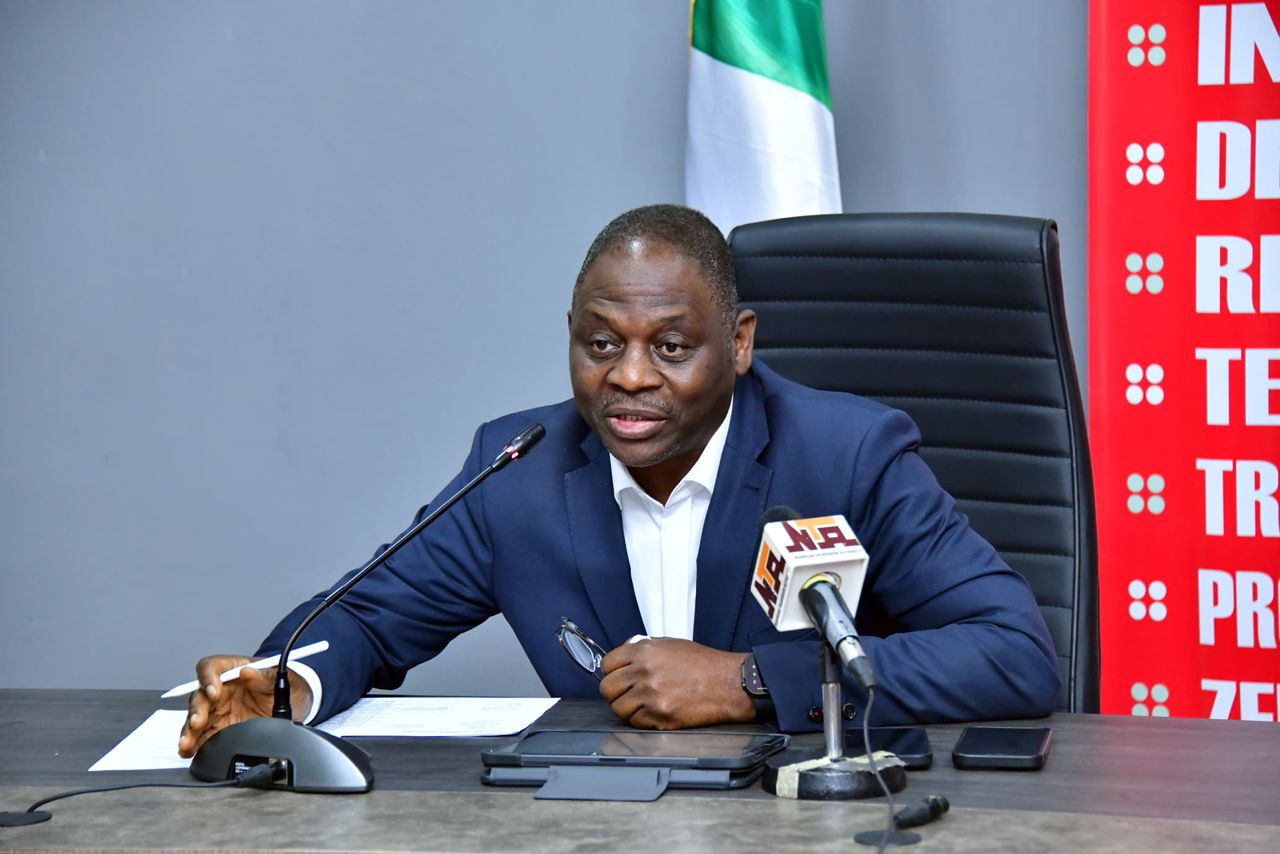
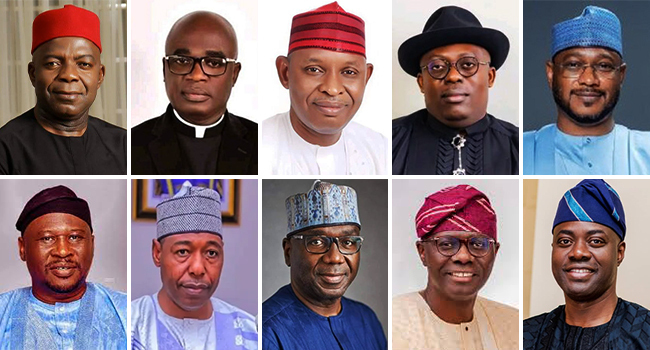
The Chairman of the Economic and Financial Crimes Commission (EFCC), Ola Olukoyede, has raised concern over the rising cost of electoral politics in Nigeria, disclosing that some governorship aspirants reportedly spent between N20 billion and N30 billion during party primary elections.
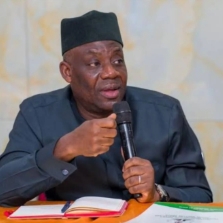
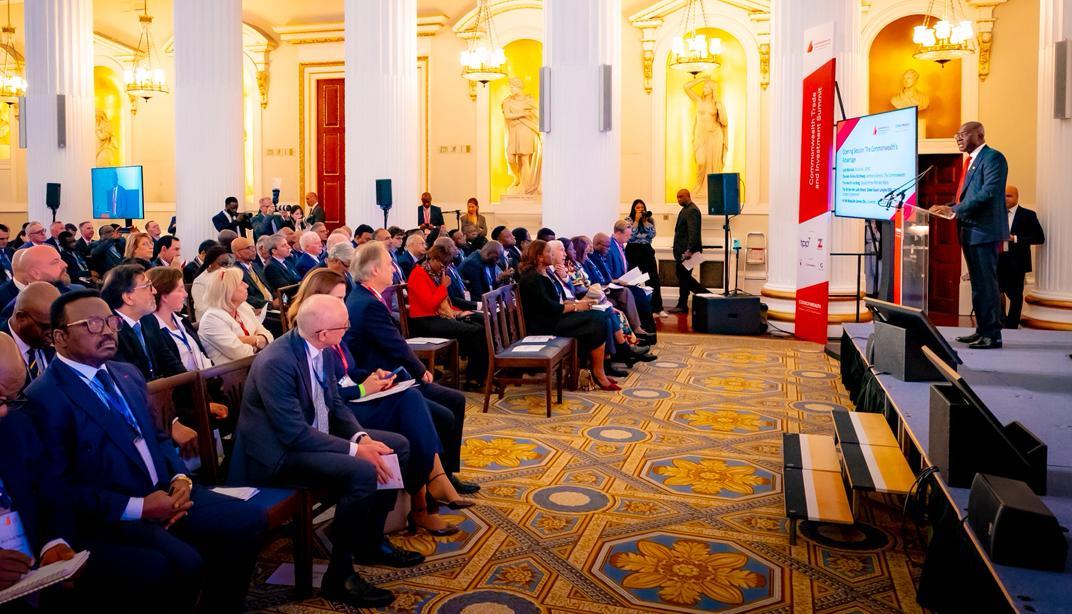
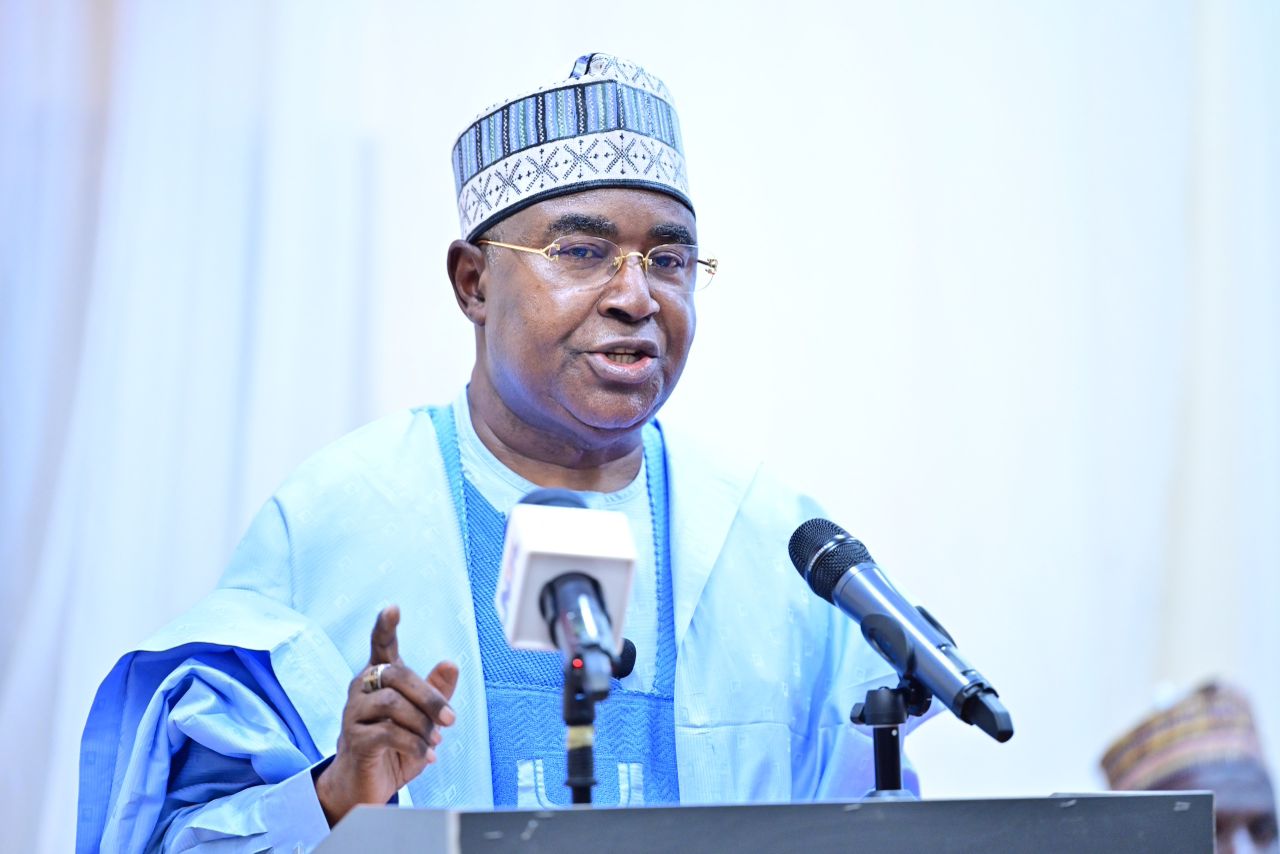
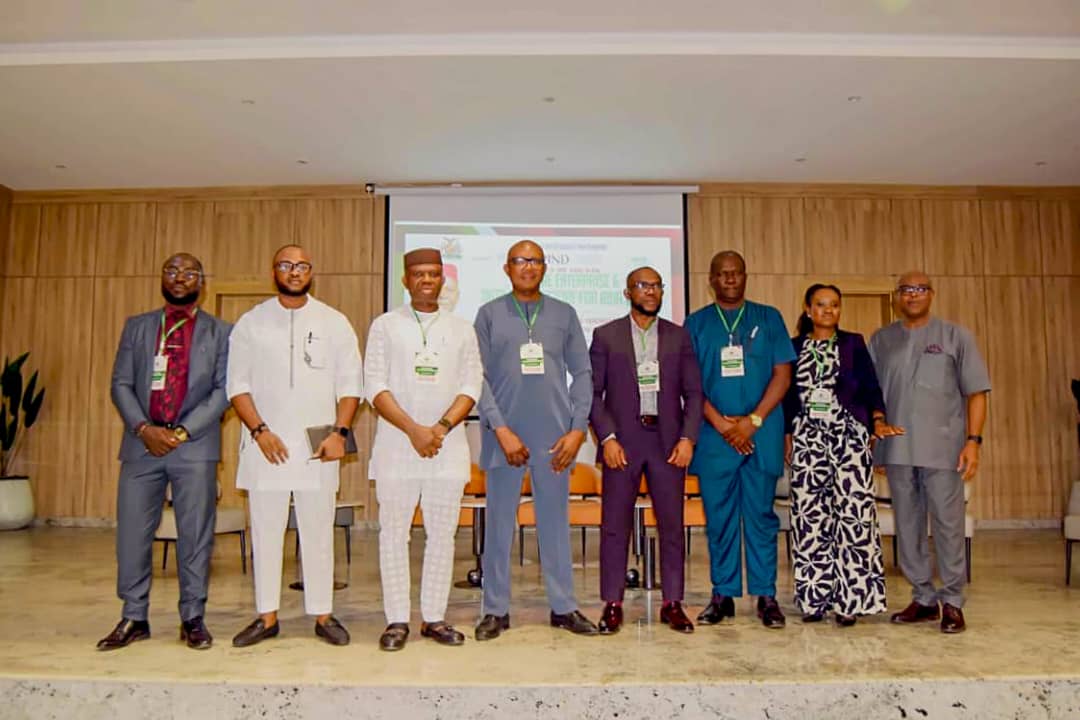
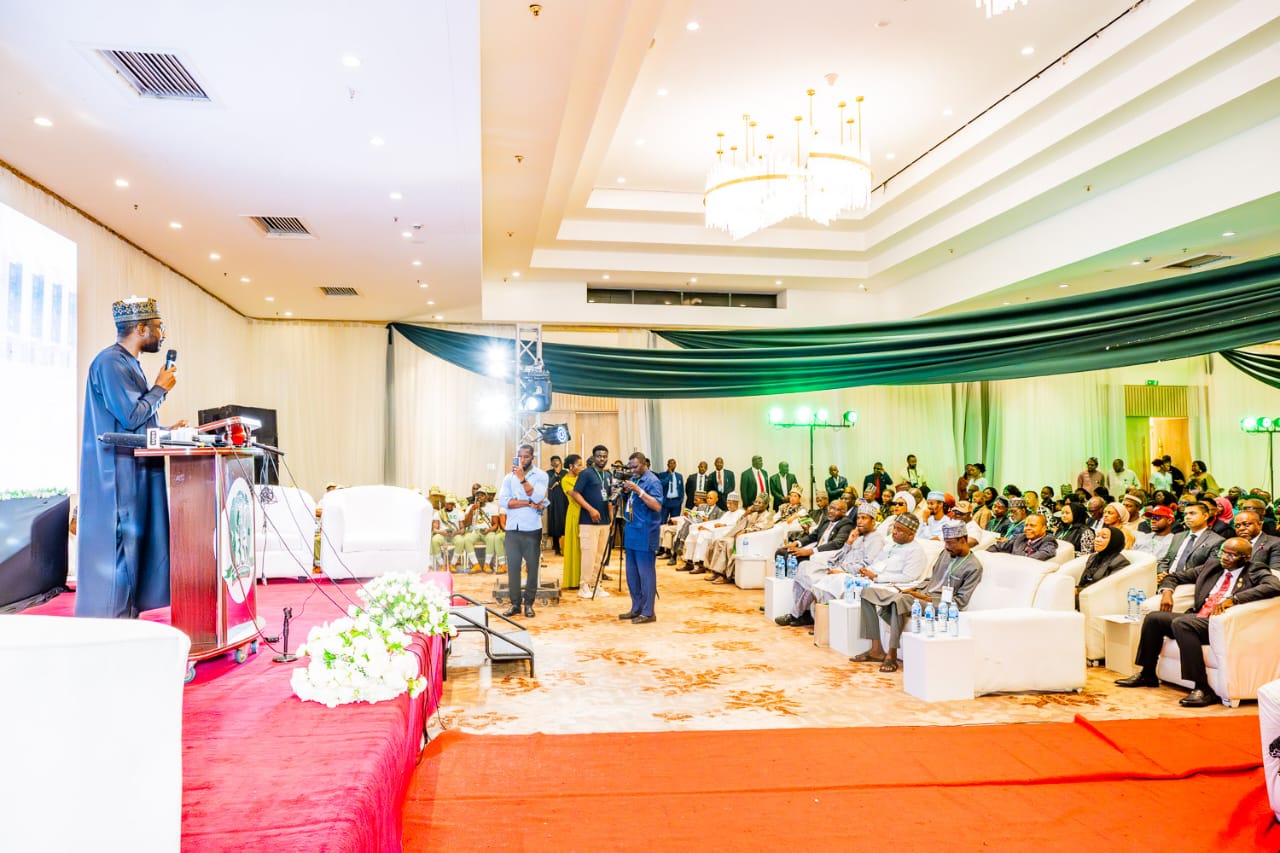
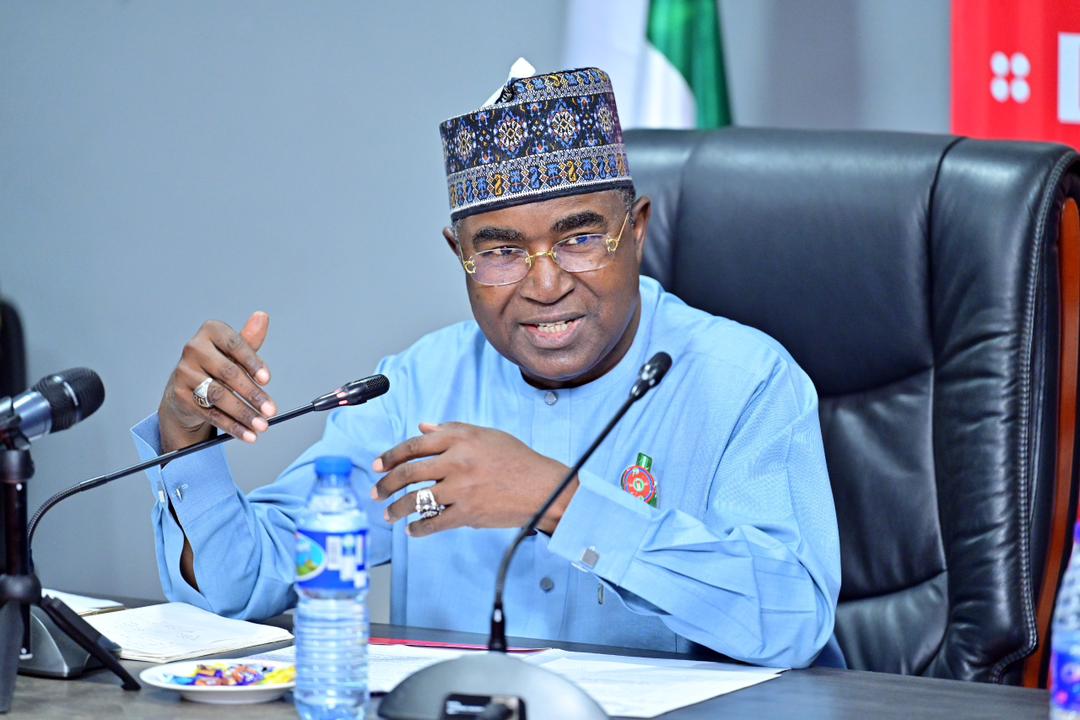
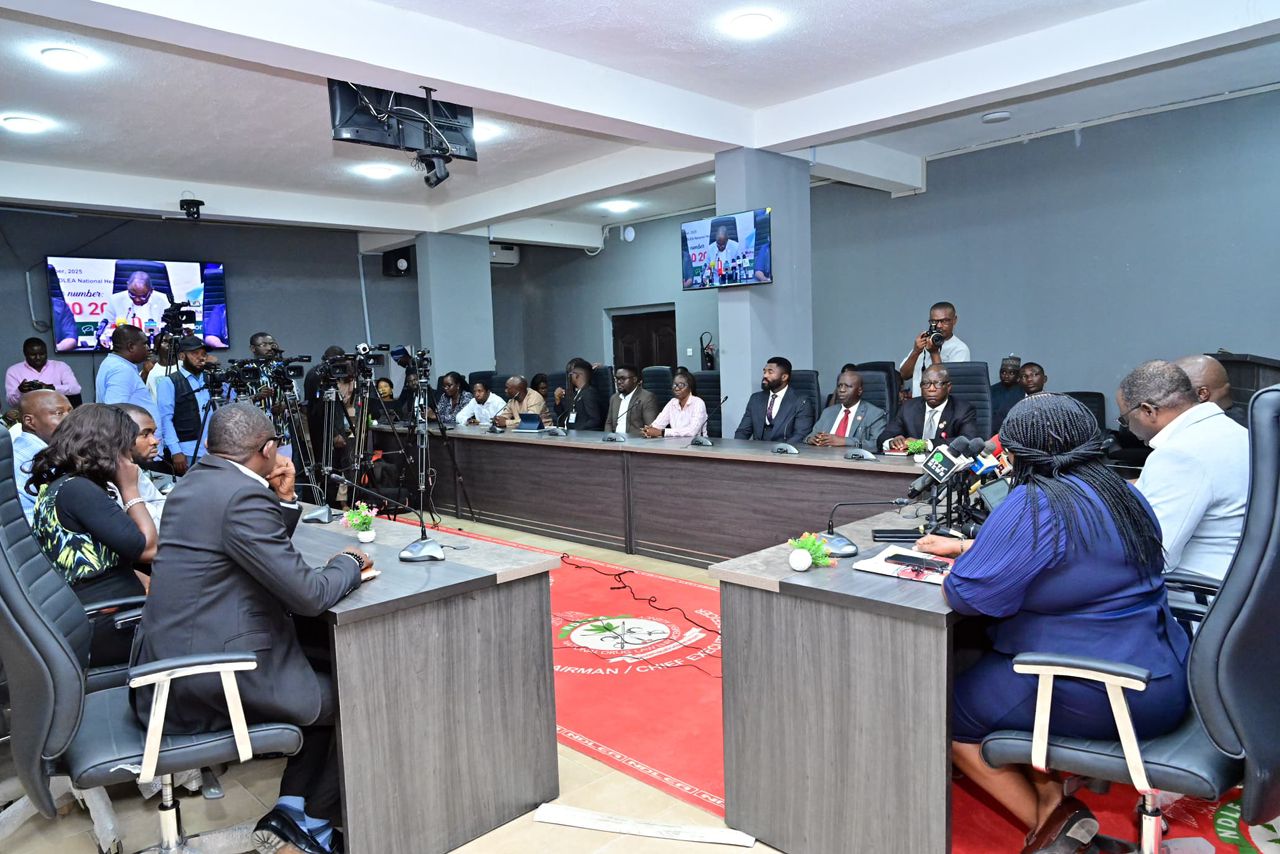
Olukoyede made the disclosure on Wednesday in Ilorin while delivering a lecture at the inaugural High-Level Guest Speakers’ Series organised by the Centre for Peace and Strategic Studies (CPSS), University of Ilorin. The event focused on “De-risking and Mobilising Critical Stakeholders for Peaceful and Credible 2027 Elections in Nigeria.”
He warned that such huge financial outlays in the electoral process pose a serious threat to democratic governance, stressing that it often fuels corruption in public office. According to him, the pressure to recover money spent during elections can push elected officials to divert public funds after assuming office.
The EFCC boss further explained that the commercialisation of the political process weakens governance structures, noting that leaders who invest heavily to secure electoral victories may prioritize personal recovery of funds over public service delivery. He added that the agency remains committed to tackling vote-buying and other forms of electoral inducement.
Olukoyede also highlighted ongoing enforcement actions, revealing that the EFCC has made several arrests across the country over vote-buying and related electoral offences, with convictions already secured in some cases. He noted that those prosecuted include politicians, electoral officials, and citizens found culpable of electoral misconduct.
EFCC Strengthens Monitoring Ahead of 2027 Elections
Warning against electoral impunity, he stressed that no individual would be spared in the enforcement of electoral laws, as such practices could undermine democracy and national stability. He also announced plans by the commission to deploy drones and other technological tools to improve election monitoring ahead of the 2027 general elections, particularly in tracking vote-buying activities.
The EFCC chairman called on political actors, parties, and supporters to embrace issue-based campaigns and avoid inflammatory rhetoric capable of triggering violence. He further urged collaboration among INEC, security agencies, civil society organisations, the media, and other stakeholders to ensure peaceful and credible elections.
Earlier, the Vice-Chancellor of the University of Ilorin, Professor Wahab Egbewole (SAN), described electoral corruption as a major threat to national security and democratic development, emphasizing the importance of credible elections to national stability and economic growth.
In his remarks, the Director of the Centre for Peace and Strategic Studies, Professor G.A. Animasawun, explained that the lecture series was designed to proactively address threats to Nigeria’s electoral system ahead of the 2027 polls, bringing together key stakeholders to develop practical solutions for credible elections.
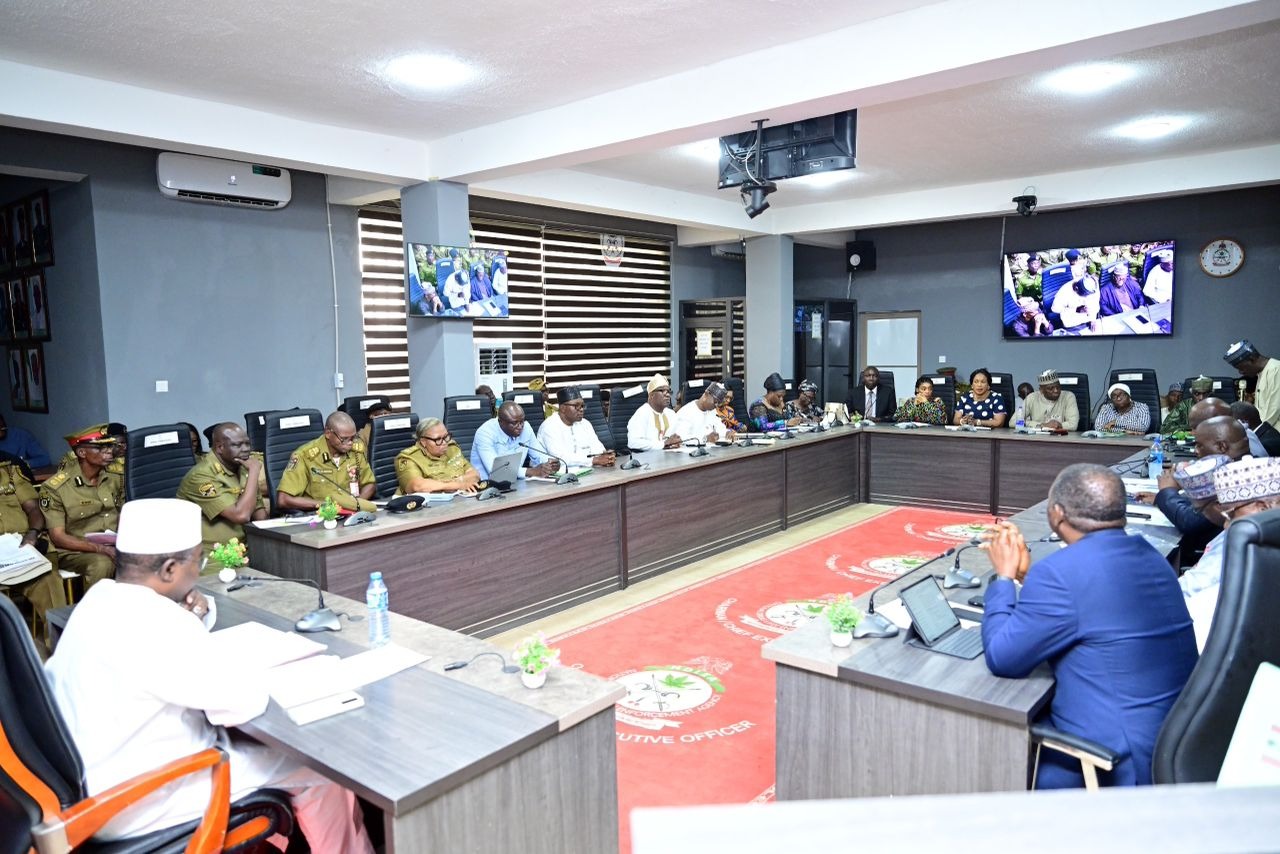
The event drew participation from security agencies, electoral bodies, civil society organisations, academics, and students, all engaging in discussions aimed at strengthening Nigeria’s democratic process ahead of the 2027 general elections.