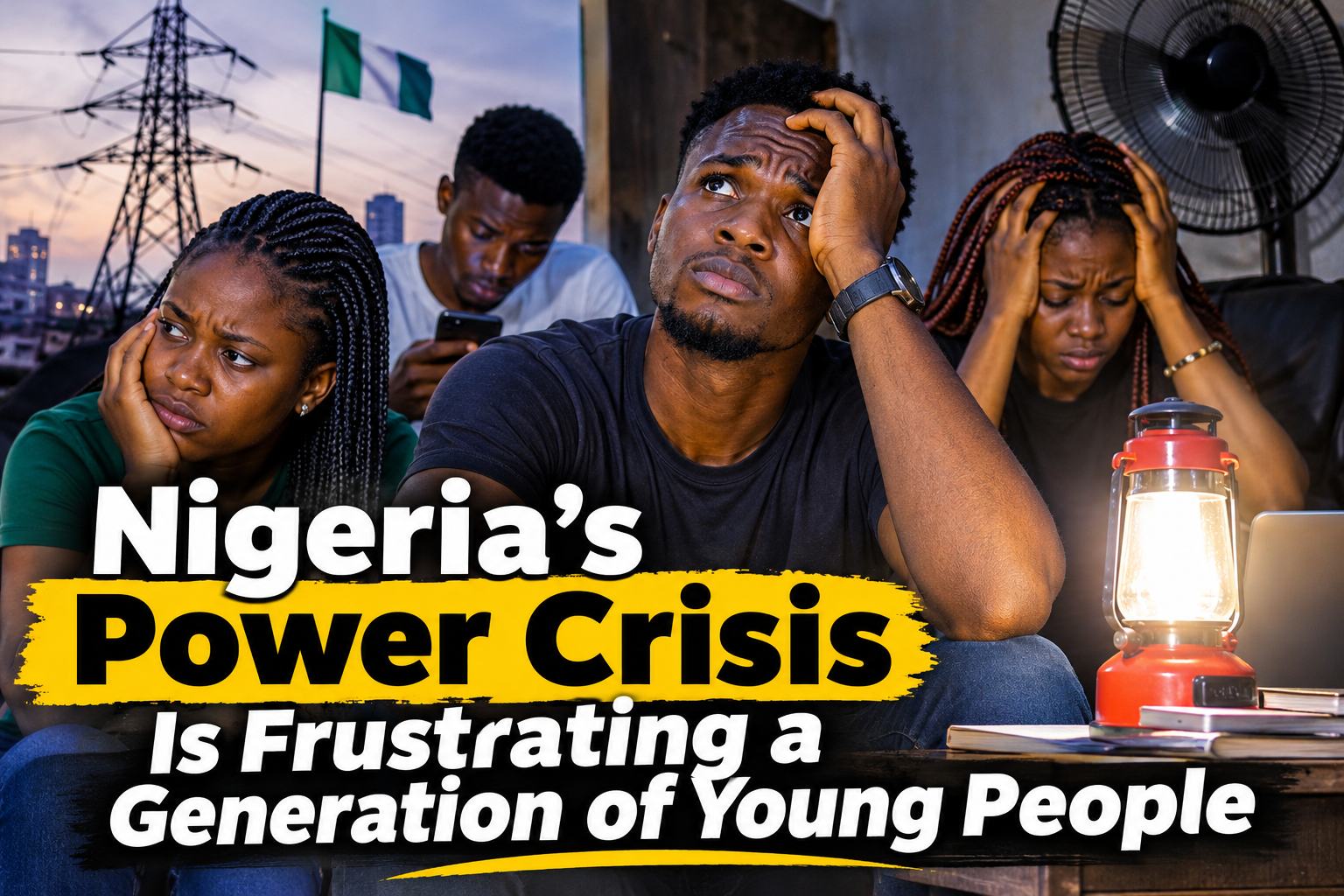
Imagine a young Nigerian sitting in a poorly ventilated room on a hot afternoon. There is no electricity and barely any breeze. Their phone battery is dead, the power bank is drained, and the laptop has shut down. There are messages to respond to, assignments to complete, clients waiting for deliverables and perhaps an online meeting to attend. There is work to be done, but everything has come to a standstill.
But this is not something Nigerians need to imagine. It is the reality shared by a young Nigerian, Rolé, in a social media post last week, reflecting the daily struggles of millions across the country.
“In this extremely hot sun, there’s no electricity. Not even a trace of breeze,” she lamented, describing how dead phones, exhausted power banks and laptops had left her unable to work.
Her frustration went beyond the discomfort of enduring another hot afternoon. It raised an important question: How can young Nigerians build businesses, earn a living and achieve financial independence when something as fundamental as electricity remains unreliable?
Her experience highlights a broader national challenge. At a time when young people are encouraged to embrace entrepreneurship, acquire digital skills and create opportunities for themselves, unreliable electricity continues to undermine their economic ambitions.
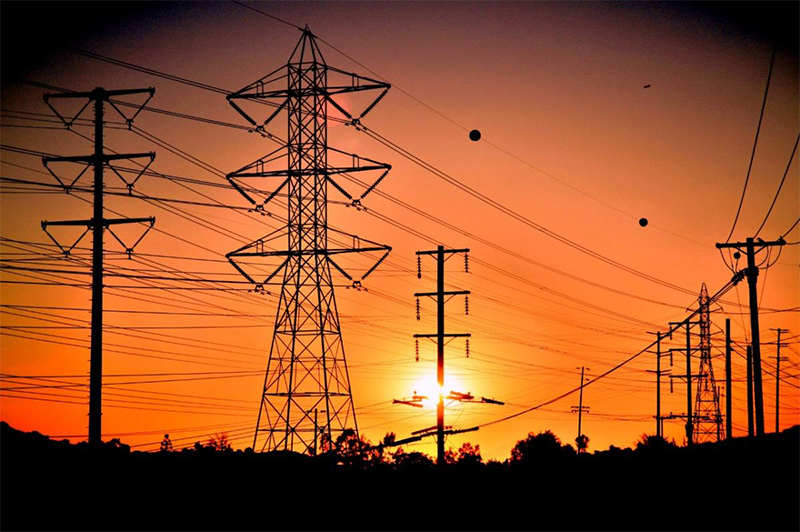
Nigeria’s electricity crisis is often discussed in terms of generation capacity, transmission constraints, distribution losses and megawatts. However, behind these technical figures are millions of Nigerians whose livelihoods, education and daily activities are affected by inconsistent power supply.
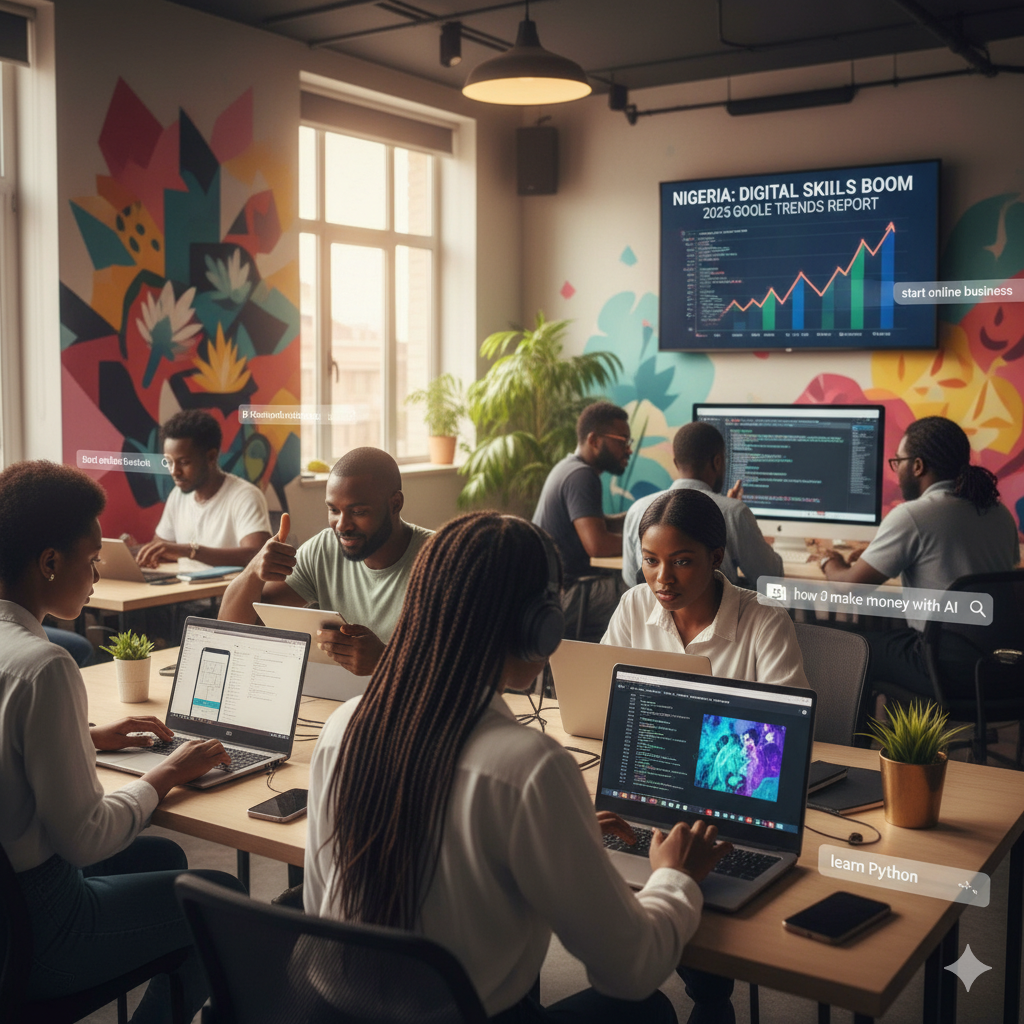
Young people are particularly vulnerable because many are turning to digital services, freelancing, e-commerce, technology, content creation and remote employment to overcome limited traditional job opportunities. These sectors depend heavily on a reliable electricity supply.
A graphic designer needs electricity to operate a computer. A software developer needs power to write and test code. A social media manager needs charged devices to manage clients’ accounts, while remote workers depend on consistent electricity and internet connectivity to meet deadlines.
When power supply is interrupted, productivity suffers. Missed deadlines can damage professional relationships, while repeated disruptions may cost freelancers valuable international clients. For young entrepreneurs, the financial consequences can be even more severe. Funds that should be invested in business expansion are instead diverted towards generators, petrol, inverter batteries and solar installations.
For many small businesses, unreliable public electricity means having to suspend operations or generate their own power at additional cost. This increases operating expenses, reduces profit margins and makes it more difficult for emerging businesses to remain sustainable.
Nigeria’s electricity challenge is therefore more than an inconvenience. It is a major obstacle to economic productivity, social inclusion and national competitiveness.
Although there have been efforts to reform the sector, the impact is yet to translate into consistent improvements for many consumers. The Electricity Act 2023, for instance, created opportunities for states to develop and regulate their own electricity markets. The decentralisation is expected to encourage competition, attract private investment and promote solutions that address local energy needs. However, Nigerians are still waiting to see these reforms deliver more reliable and accessible electricity.
Addressing the crisis requires sustained investment, effective regulation and greater adoption of alternative energy sources.
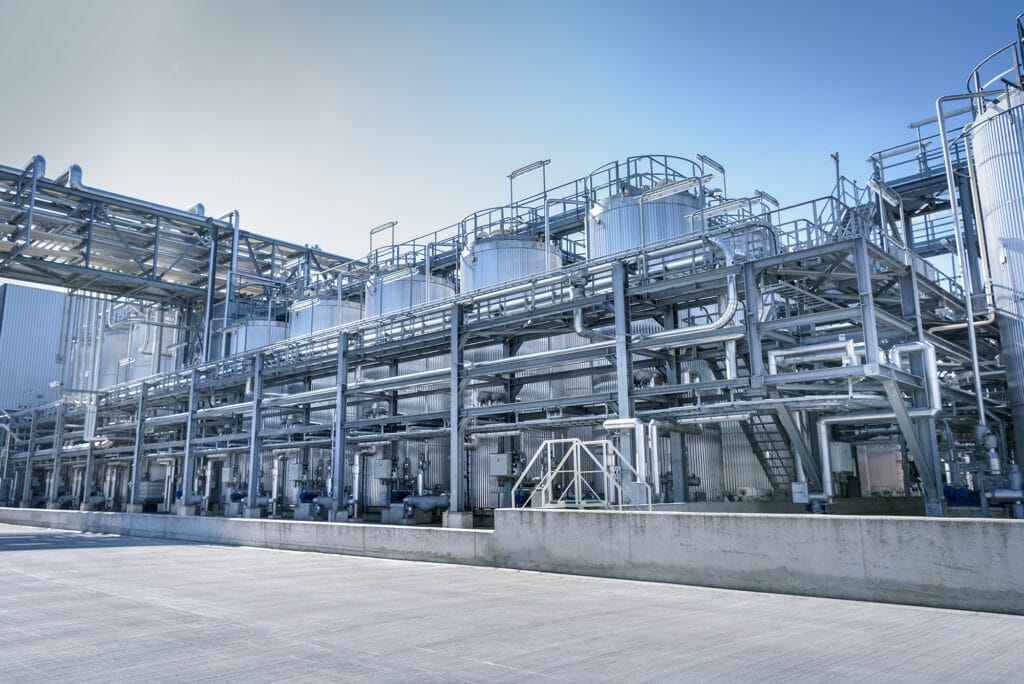
First, the government must prioritise the rehabilitation and modernisation of existing generation, transmission and distribution infrastructure. Improving the performance of power plants, ensuring adequate gas supply, upgrading transmission lines and replacing obsolete transformers are essential steps towards improving electricity delivery.
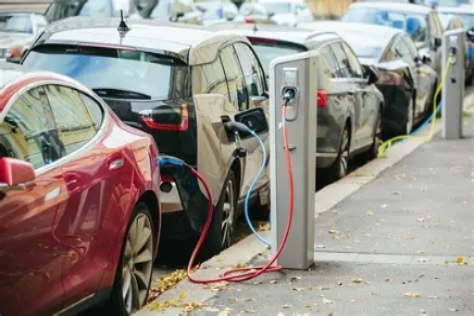
Second, investment in renewable energy, particularly solar power, must be accelerated. With Nigeria’s abundant sunshine, solar energy presents an opportunity to reduce dependence on the national grid and provide more reliable electricity to homes and businesses.
However, affordability remains a significant challenge. Government, financial institutions and renewable energy companies should introduce accessible financing options, including low-interest loans, leasing arrangements and pay-as-you-go schemes. These initiatives would enable households and small businesses to acquire solar systems without bearing prohibitive upfront costs.
Third, greater attention should be given to community-based mini-grids. Solar-powered mini-grids can provide electricity to underserved communities, markets, schools and agricultural centres. Beyond improving access, they can support food processing, refrigeration, irrigation and small-scale manufacturing, creating opportunities for economic growth.
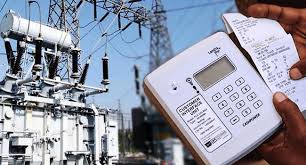
Fourth, electricity distribution companies must be held accountable for the quality of service they provide. Regulators should strengthen consumer protection, enforce service standards and ensure that customers receive electricity commensurate with the tariffs they pay. The deployment of prepaid and smart meters should also be accelerated to improve billing transparency and reduce disputes.
In addition, young entrepreneurs need targeted financial support to adopt alternative energy solutions. Affordable financing for solar installations, inverters and energy-efficient equipment would help small businesses reduce operating costs, improve efficiency and remain competitive.
Nigeria must also invest in training young people in solar installation, battery management, electrical maintenance and other renewable energy technologies. Developing these skills would not only support the country’s transition to cleaner energy but also create employment opportunities and strengthen local technical capacity.
Ultimately, Rolé’s complaint is about much more than an uncomfortable afternoon. It reflects the frustration of a generation eager to work, innovate, earn and build a future but repeatedly confronted by challenges that should have been addressed long ago.
Nigeria cannot expect its young people to power the future when it cannot reliably power their present. They are not asking for special privileges. They simply want an environment where hard work, creativity and innovation can translate into economic progress.
They want to charge their phones, power their laptops, attend online meetings, complete assignments and run businesses without having to organise their entire lives around the availability of electricity.
Reliable electricity should not be a luxury. It is a necessity for a generation trying to build its future and, by extension, the future of Nigeria.