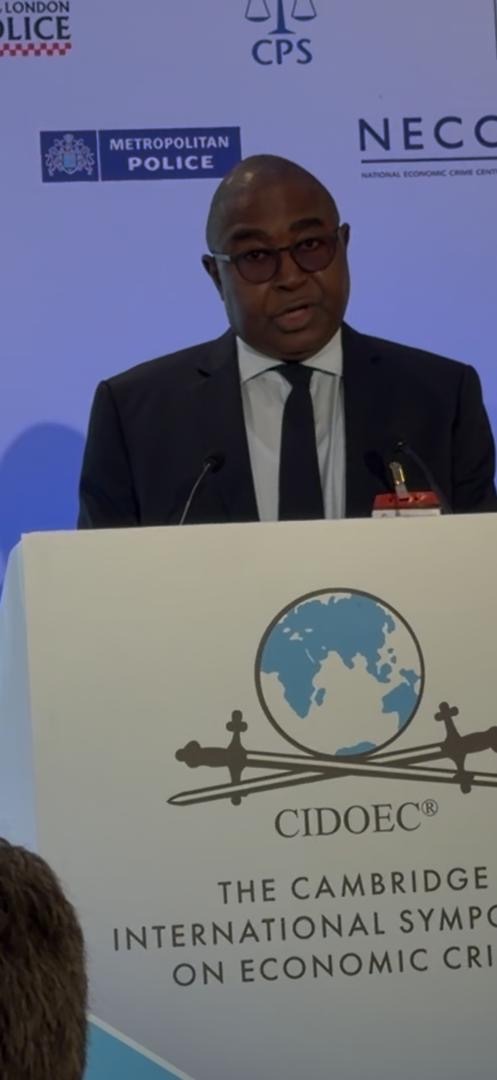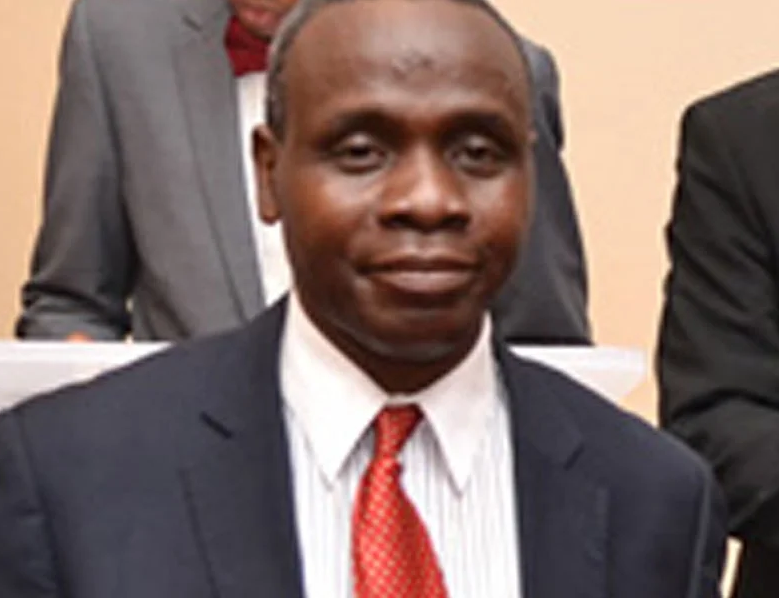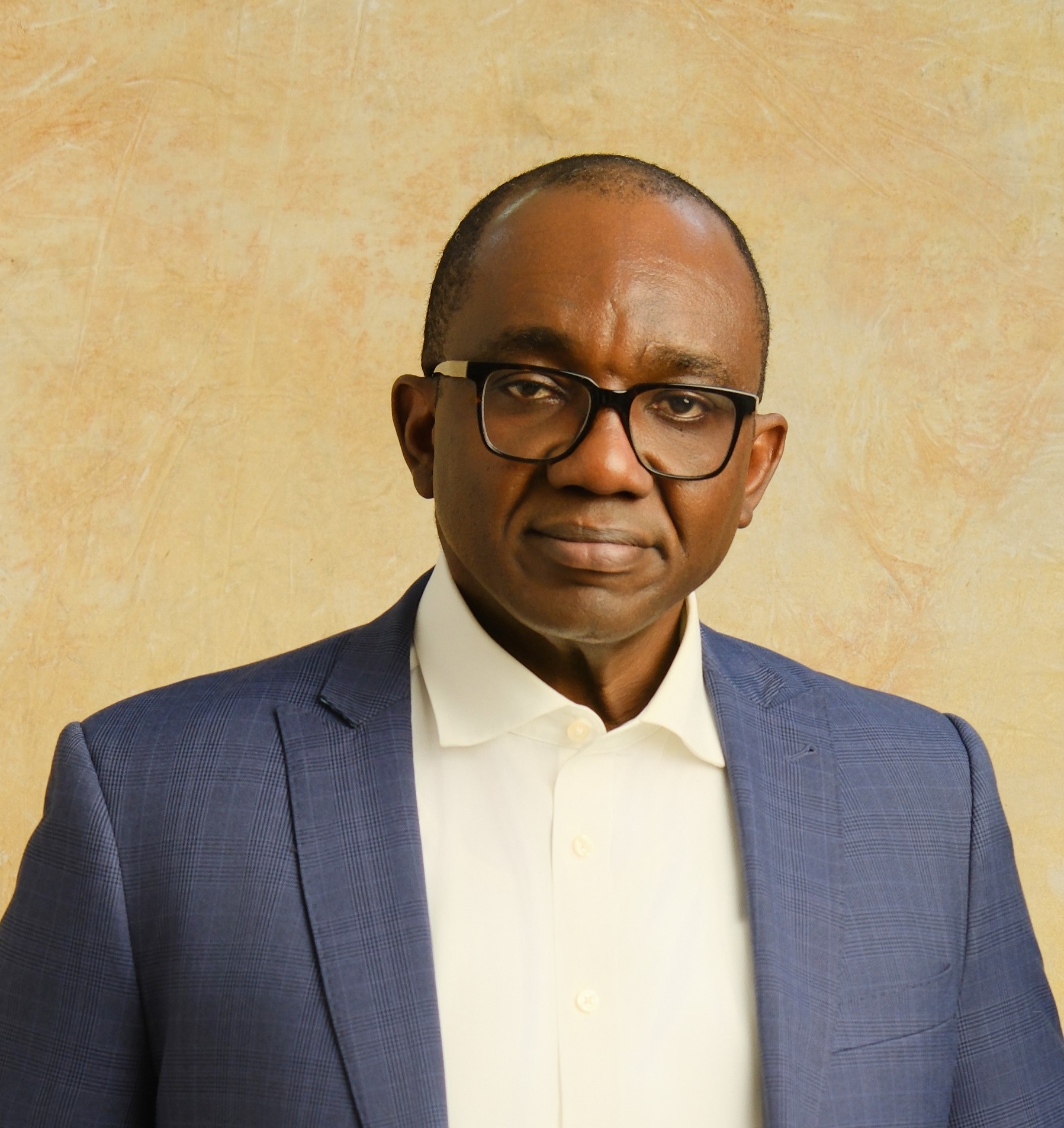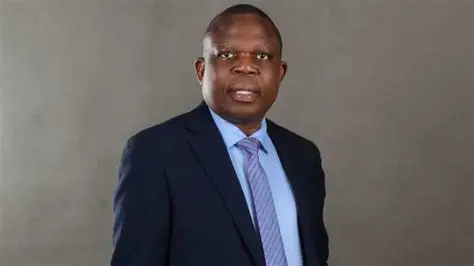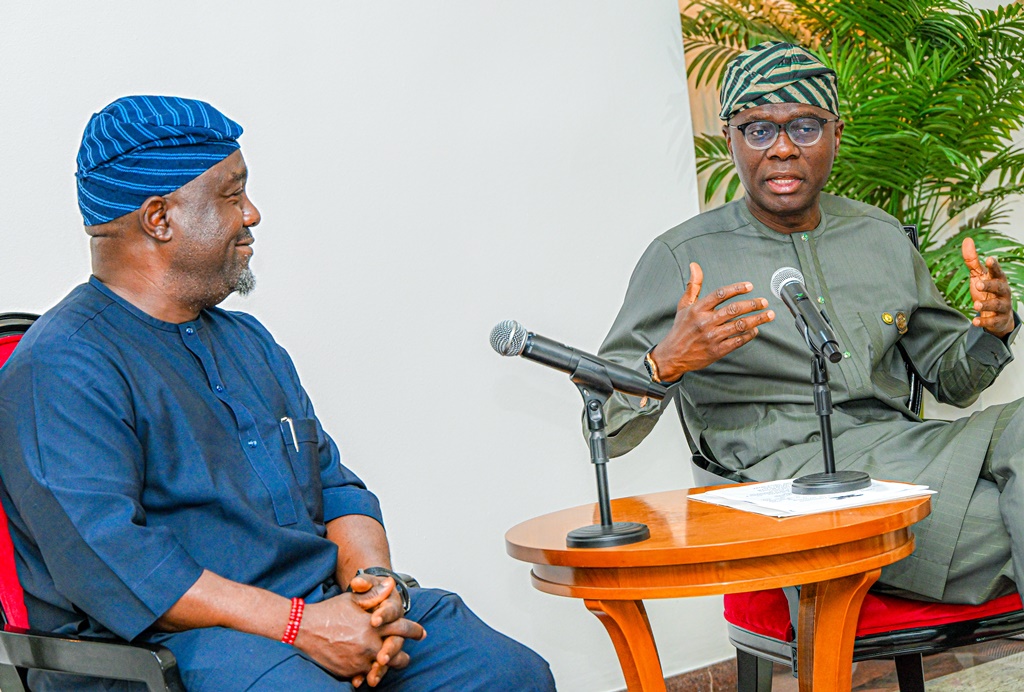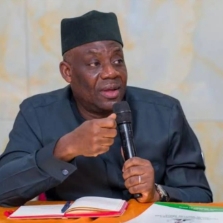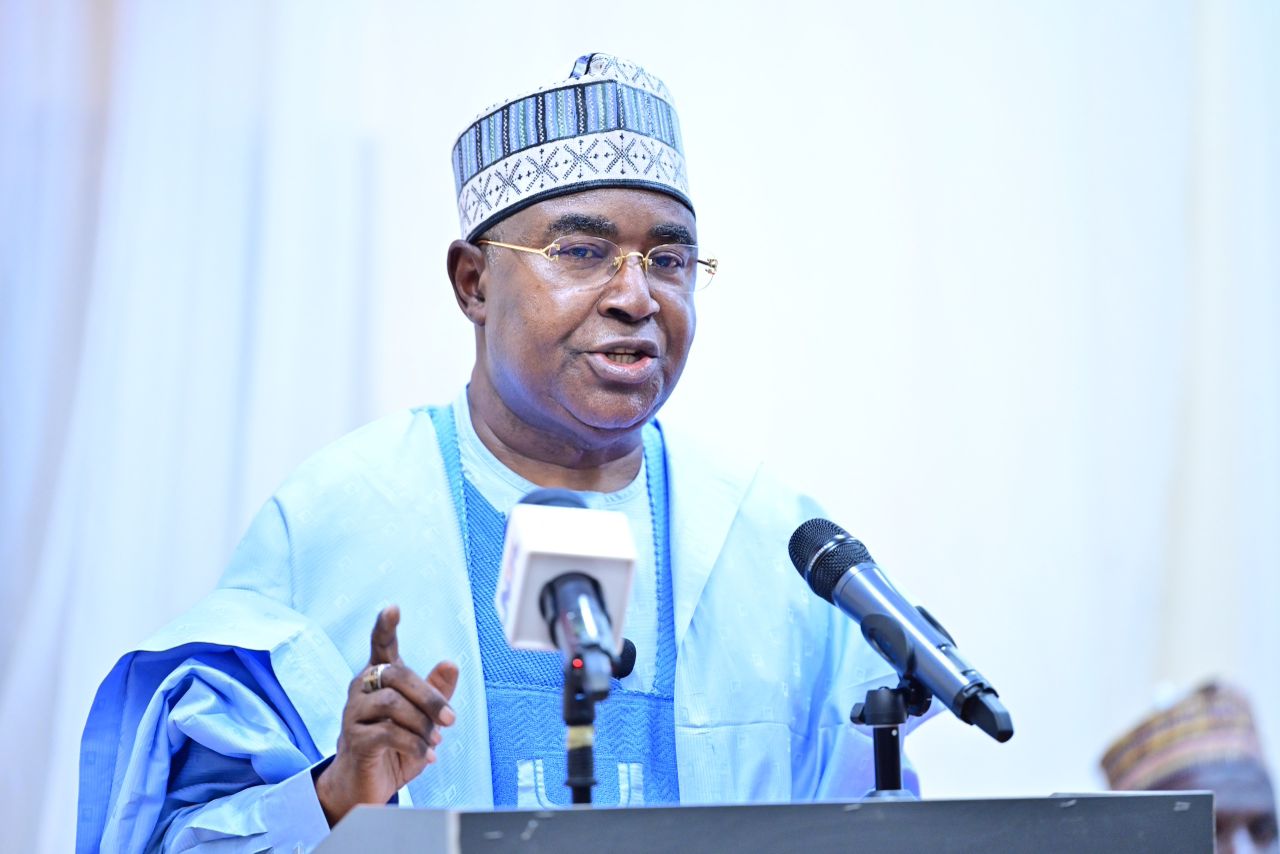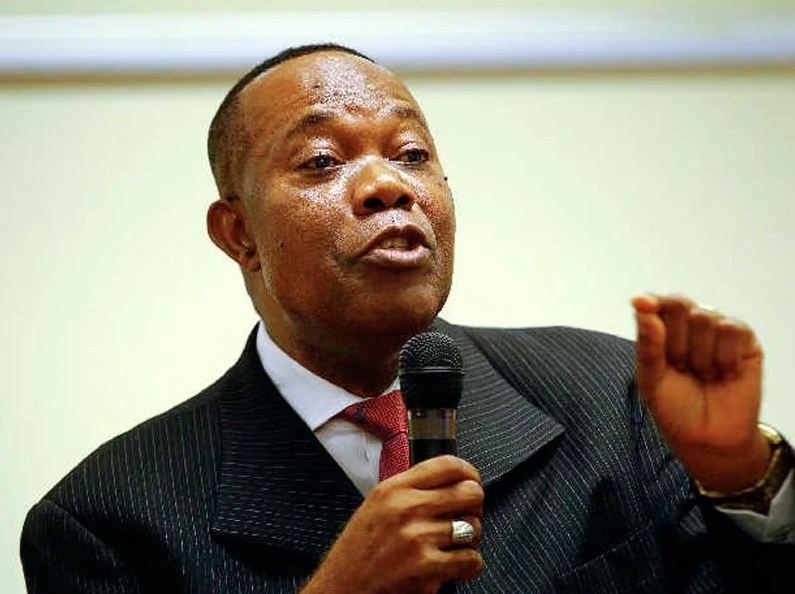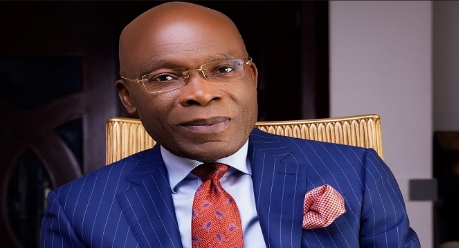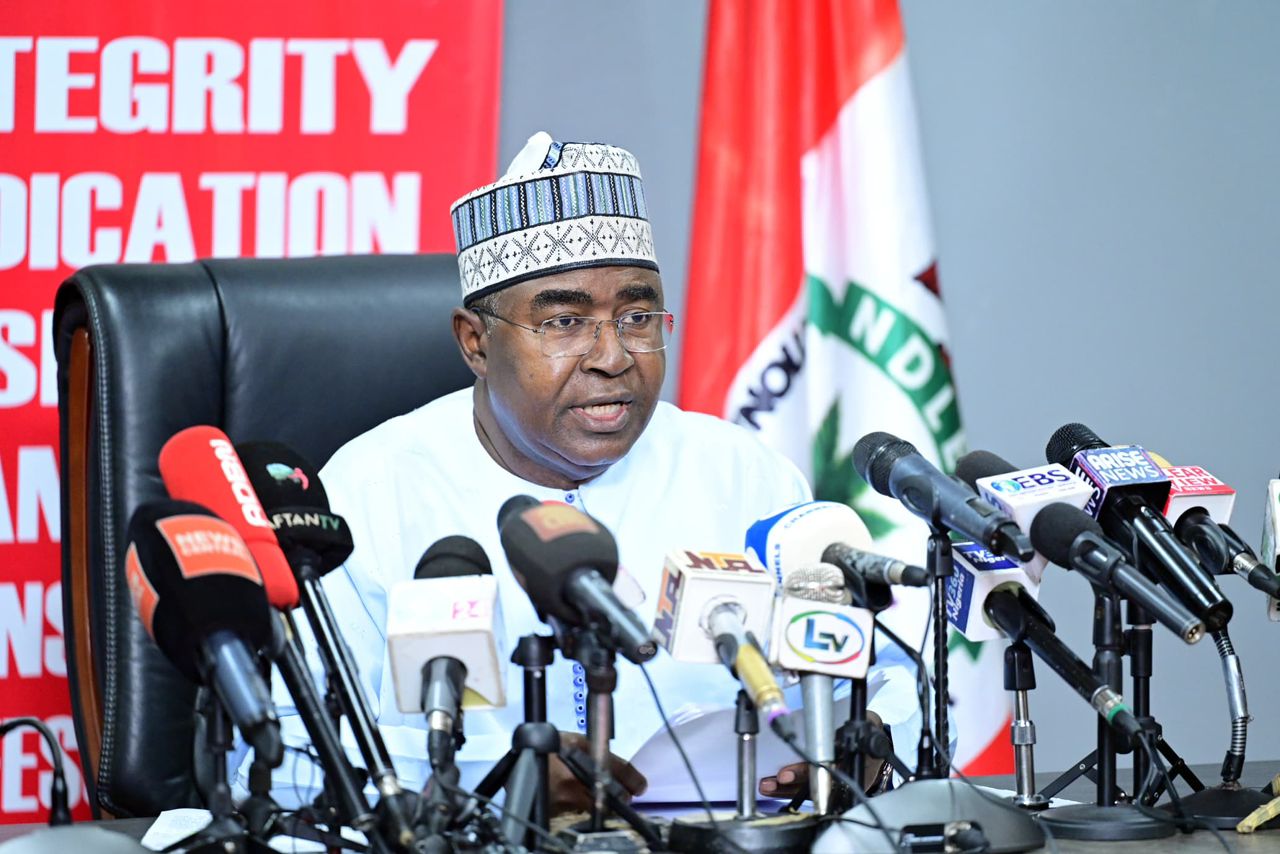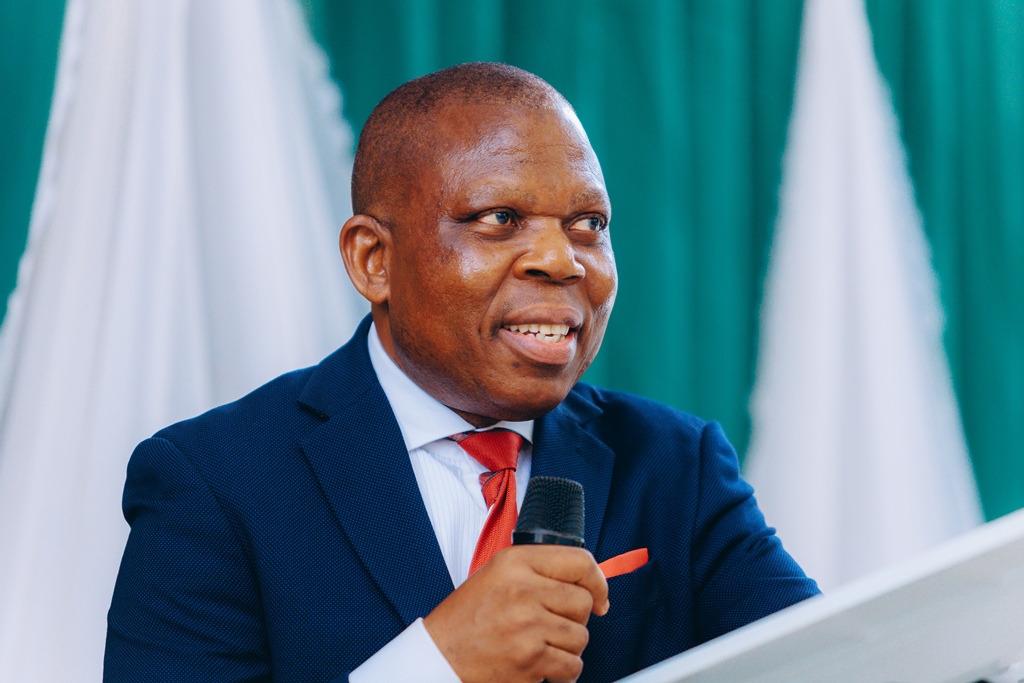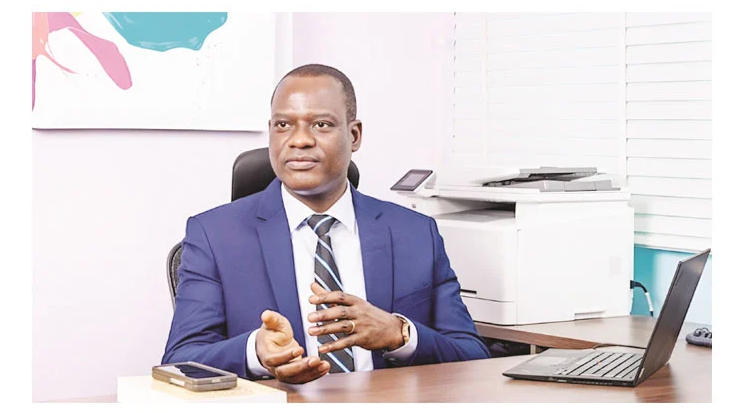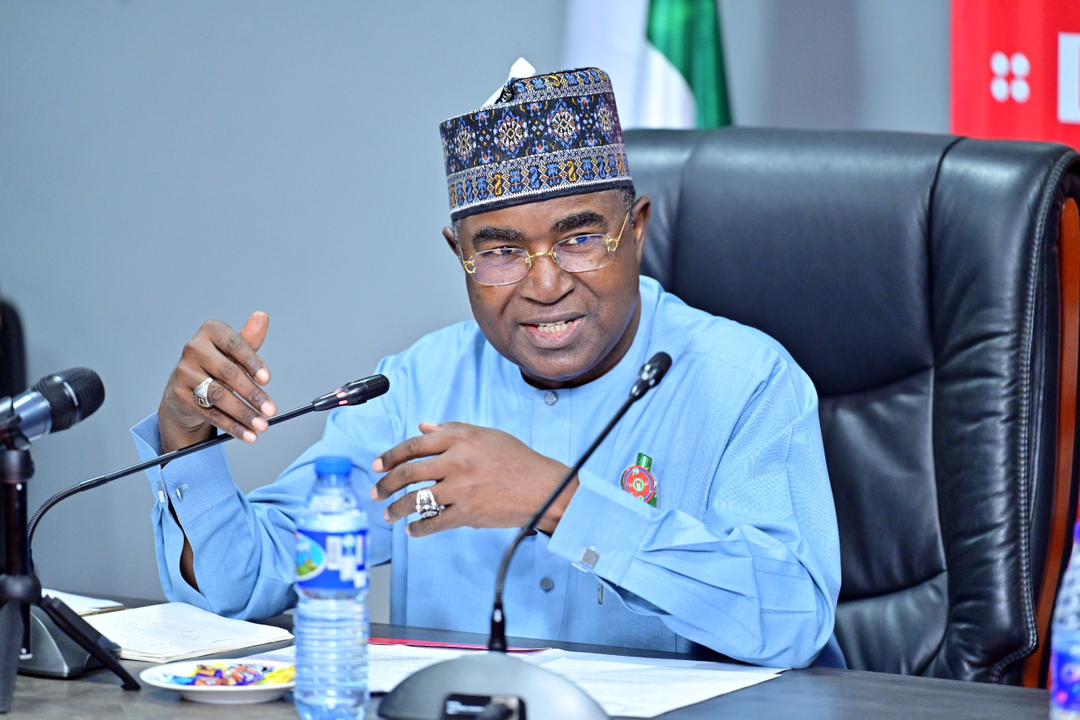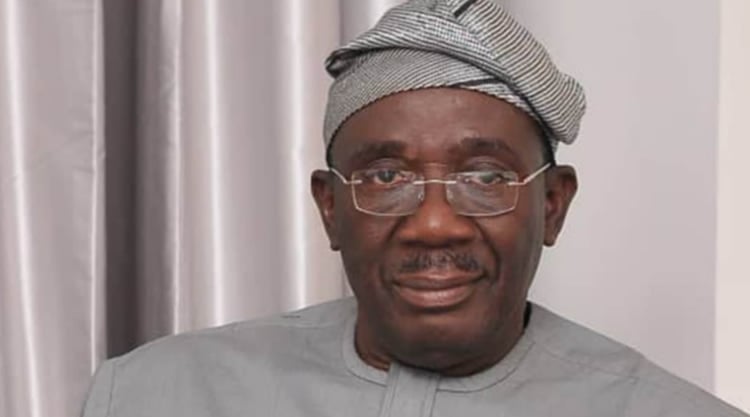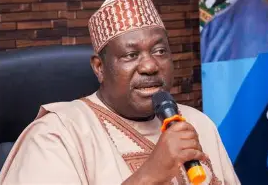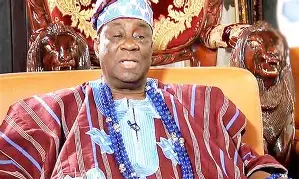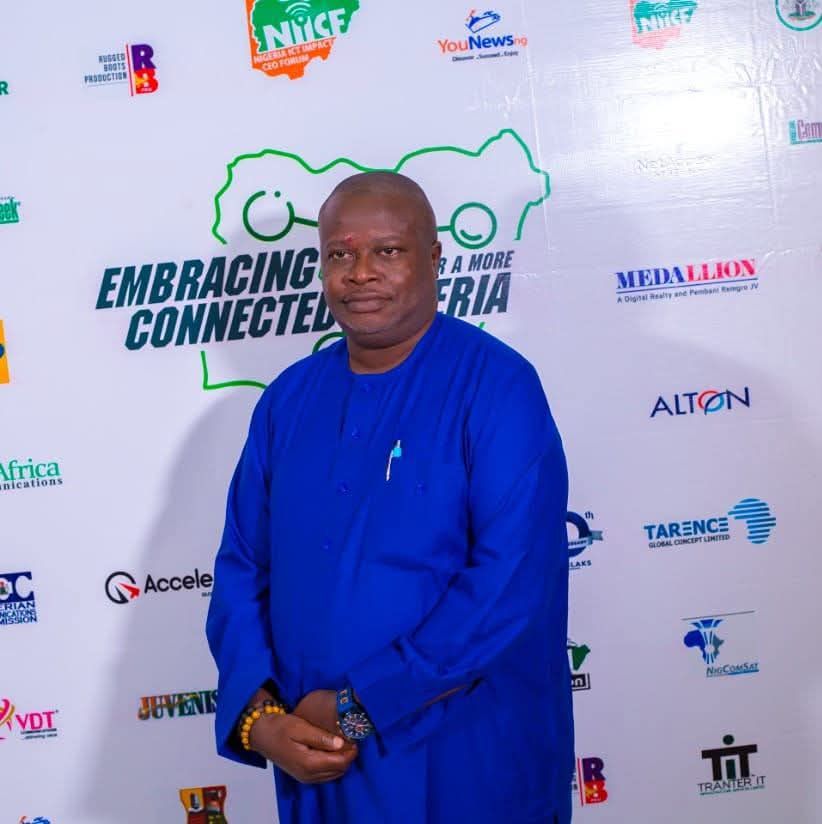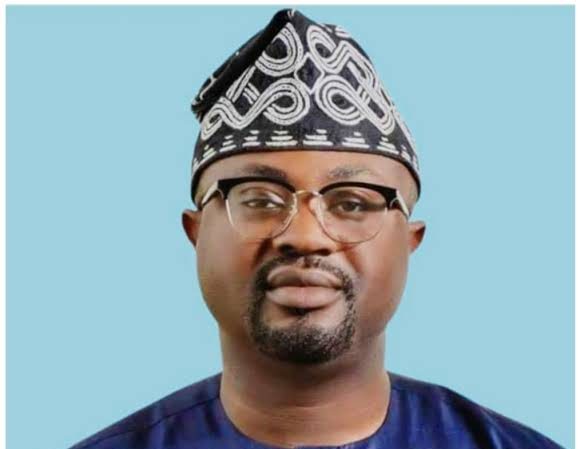
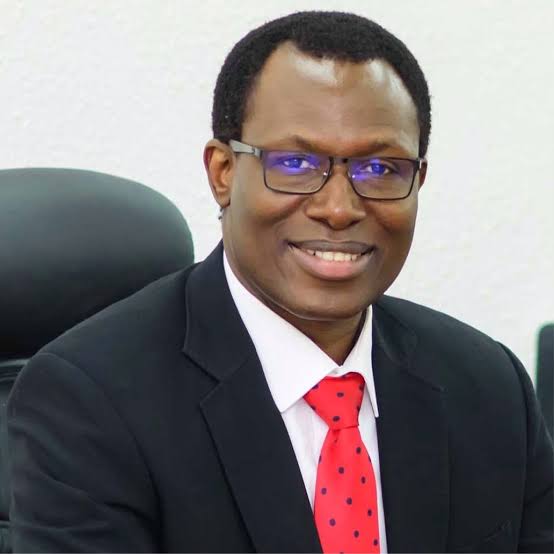
NEWS CENTRAL TELEVISION INTERVIEW WITH ENGR. GBENGA ADEBAYO, CHAIRMAN, ASSOCIATION OF LICENSED TELECOMMUNICATION OPERATORS OF NIGERIA (ALTON)
News Central: What is ALTON’s position on concerns raised by the Nigerian Senate over the quality of telecommunications services in the country? Are these concerns valid, exaggerated or unfounded?
Engr. Gbenga Adebayo: Quality of service remains an ongoing concern, and I do not think we have reached a point where we can claim 100 per cent service delivery. We operate in a peculiar environment characterised by several challenges, some of which are beyond the control of service providers.
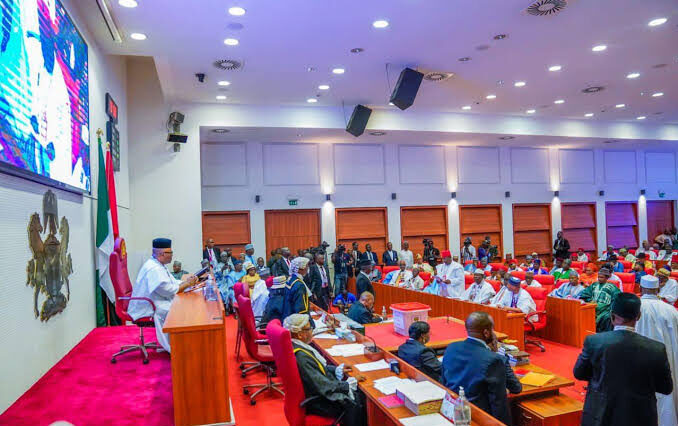
I commend the Senate for first giving operators a timeline to improve network quality before embarking on a fact-finding exercise. As the saying goes, a problem identified is half-solved. It is important for lawmakers and the Nigerian public to understand the peculiar challenges confronting network operators.
I have listened to Senator Ned Nwoko’s observations, particularly his comparisons between telecommunications services in Nigeria and other countries. His concerns are understandable, but we must also consider the operating environments in those countries compared with ours. In some jurisdictions, governments take greater responsibility for protecting and sustaining critical infrastructure.
In Nigeria, telecommunications operators largely bear the responsibility for maintaining their networks. Whether it is vandalism, electricity supply or infrastructure availability, operators do everything possible to keep their networks operational. Unfortunately, some of these challenges are beyond their control.
I will not claim that network services are satisfactory or that there are no problems. Some challenges can be addressed by operators, while others require the intervention and cooperation of different stakeholders.
Telecommunications networks operate nationally, meaning an incident in one location can affect service delivery elsewhere. For instance, a power outage at a particular site can disrupt network availability in other areas. Similarly, restrictions imposed by landlords on access to telecommunications facilities can affect services.
Operators also need to expand infrastructure, particularly fibre-optic networks. However, obtaining rights of way can be difficult because of prohibitive charges imposed by some state governments. In certain instances, these charges are not commensurate with the value of the infrastructure being deployed.
Improving network quality therefore requires a collective societal approach. Government, telecommunications operators, consumers and the general public all have responsibilities. If everyone plays their part, service delivery will improve.
News Central: You have mentioned some of the peculiar challenges facing operators. However, consumers across the country continue to experience poor services. What would you identify as the biggest challenges confronting telecommunications operators in Nigeria?
Adebayo: There are three major challenges: power supply, vandalism and the lack of collective ownership and responsibility for telecommunications infrastructure.
Power is a significant challenge because operators must provide electricity for their facilities. Despite deploying generators, solar power systems and maintaining diesel supplies at our sites, there are situations where it becomes practically impossible to keep facilities running.
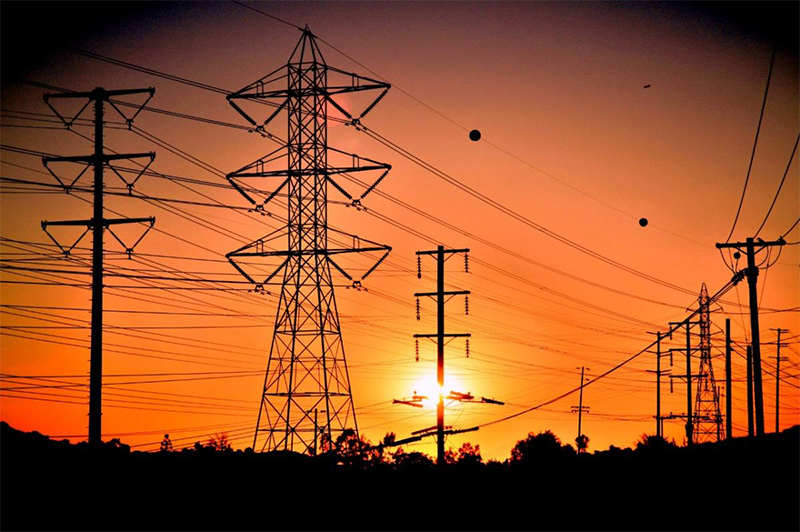
Sometimes, fuel supply trucks cannot access certain locations to replenish diesel. We also experience infrastructure vandalism, which disrupts electricity and telecommunications services.
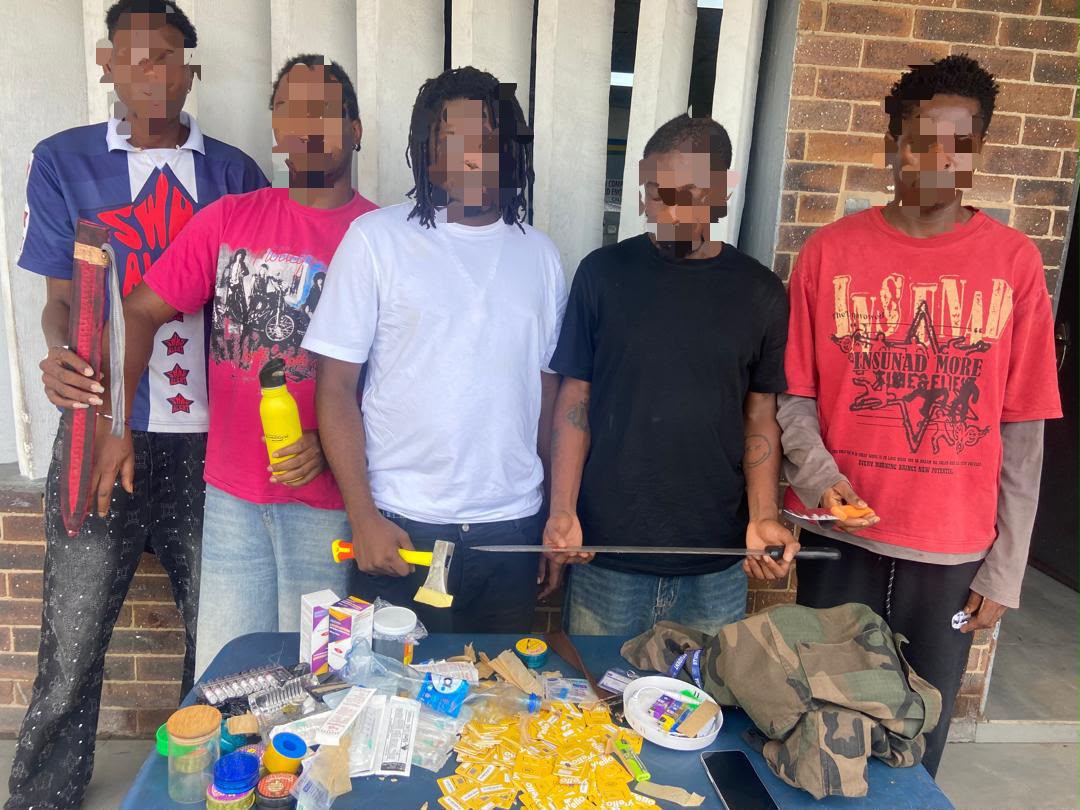
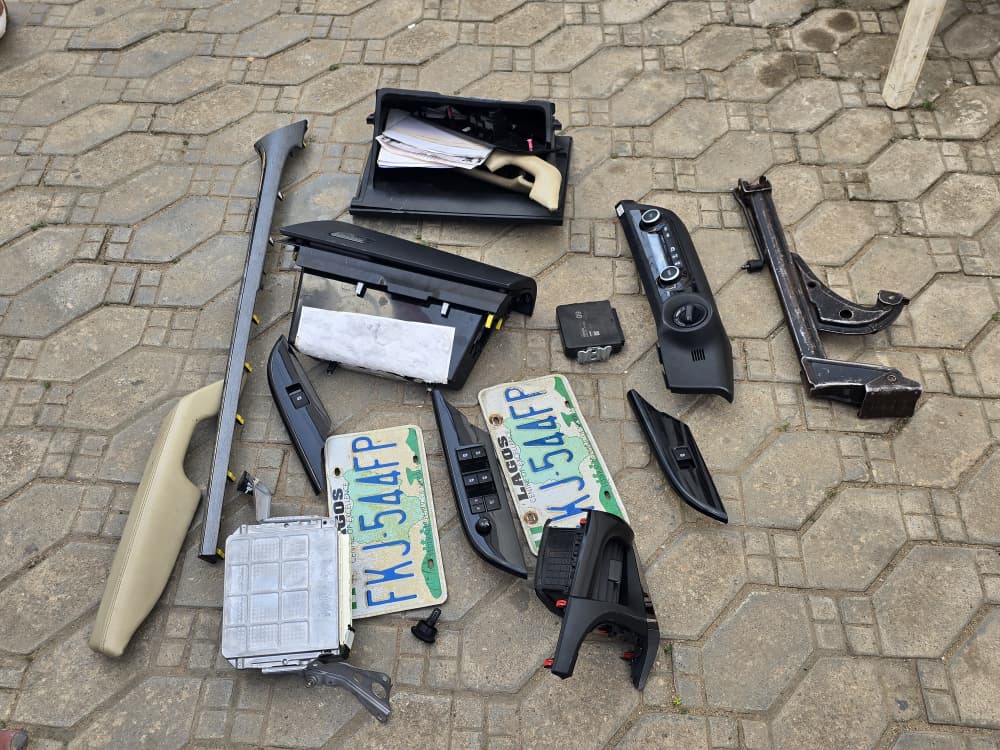
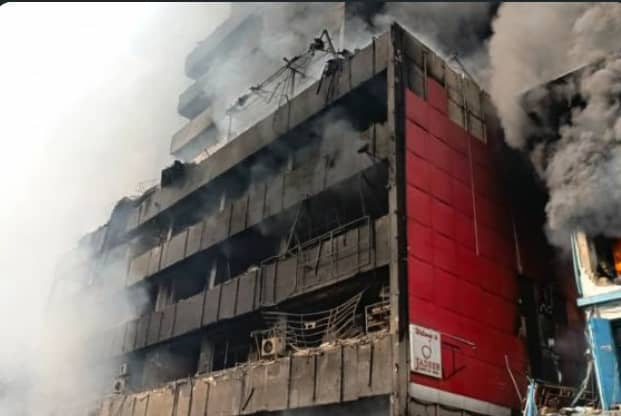
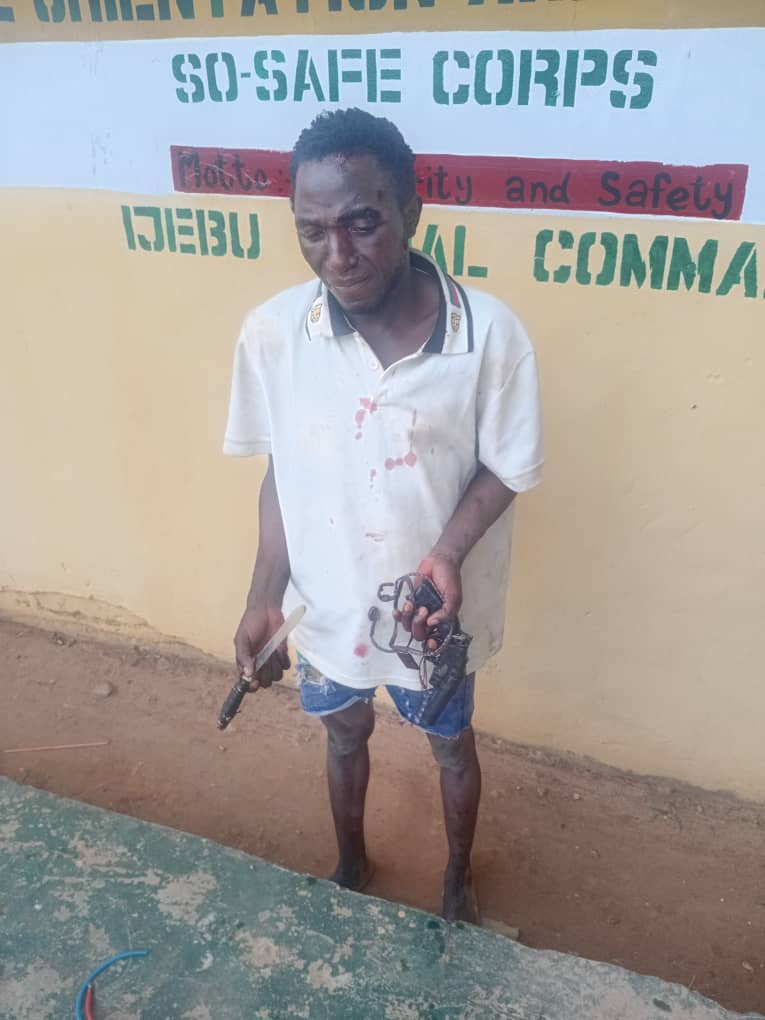
For example, there have been instances where individuals steal manhole covers and subsequently set fire to underground cables in an attempt to extract copper. Such incidents can disrupt connectivity across entire neighbourhoods.
News Central: What motivates these acts of vandalism?
Adebayo: They are largely driven by the desire to extract copper from cables and other infrastructure for commercial purposes.
The consequences are enormous. An entire neighbourhood could lose connectivity because someone vandalised a cable at one location. The average consumer will naturally blame the telecommunications operator, but an investigation may reveal that the disruption resulted from vandalism.
You see open trenches and uncovered manholes along some highways because people have removed the metal covers for their scrap value. Beyond the danger this poses to motorists and pedestrians, these activities have serious implications for telecommunications infrastructure.
That is why I emphasise collective ownership. We must all take responsibility for protecting the infrastructure that supports our national communications network. Communities must understand that safeguarding telecommunications facilities is in their own interest.
News Central: A particular example comes to mind. There is a telecommunications mast not far from where I live, and whenever a truck arrives to supply diesel to its generator, some area boys reportedly threaten the drivers with machetes and demand money before allowing them to deliver the fuel.
Let us turn to the matter currently before the Federal High Court. ALTON and some telecommunications operators have approached the court. Why did you take that step? Was it because ALTON was denied the opportunity to represent the operators? What are you expecting from the court? And are the chief executives of these telecommunications companies too important to appear before the Senate?
Adebayo: I appeared at the first invitation. However, I will be measured in my response because the matter is now before the courts.
I appeared on behalf of network operators in my capacity as chairman of the association, with the consent of the chief executives of the companies invited.
Our understanding was that the exercise was intended to be a fact-finding mission. However, its outcome appeared to take the form of a command-and-control approach. Sustainable improvements in network quality cannot be achieved through command and control. It is necessary to understand the underlying issues and the realities of the operating environment.
My appearance was also a demonstration of respect for the National Assembly. However, there have been court pronouncements explaining the limits of legislative powers, including the persons who may be invited for investigations or to assist an investigation.
Since the matter is now before the court, I would prefer to be measured in my comments. I do not think anyone disputes the legislature’s right to ask questions. The issue is who those questions should be directed to and the appropriate manner of asking them.
News Central: Why would it be wrong for the Senate to invite network providers directly to answer questions about their services?
Adebayo: My position is that we must avoid a command-and-control approach. We have a regulator responsible for overseeing the licences issued to telecommunications operators. That regulator is the Nigerian Communications Commission (NCC).
The NCC has the primary responsibility to explain the state of the industry and the challenges confronting operators. You cannot set the regulator aside and summon licensees without adequately recognising the regulator’s role.
What happens to the responsibilities of the regulator in such an exercise?
However, these are among the issues we have presented before the court, and I would rather allow the judicial process to take its course.
News Central: The House of Representatives is also investigating complaints about poor network quality and the NCC’s compensation framework. Consumers continue to complain about the value they receive for their money. Telecommunications services have also featured among the major consumer complaints recorded by the Federal Competition and Consumer Protection Commission (FCCPC).
What explanation do operators have for these complaints, and what compensation mechanisms currently exist for subscribers affected by dropped calls and poor services?
Adebayo: First, I do not work for the NCC, so I cannot speak authoritatively about the specific compensation framework developed by the Commission.
However, as the industry regulator, the NCC has mechanisms for measuring network performance and possesses extensive information about the state of telecommunications networks. Indeed, it has access to network performance data on a second-by-second basis.
The NCC is therefore in the best position to determine what is fair to both operators and consumers. The responsibility for deciding when compensation is warranted and who should receive it should rest with the Commission.
Earlier in the year, the NCC conducted investigations and assessments of service providers. Some operators were subsequently required to compensate subscribers following findings of infractions or negligence in service delivery.
Those decisions were based on investigations and network performance evaluations conducted by the regulator. We must acknowledge the work the NCC is doing in this regard.
More importantly, the Commission has access to information about the overall condition of telecommunications networks and the challenges operators encounter. Some of these challenges may not be readily available in the public domain.
For instance, there are locations where operators cannot access their facilities for maintenance or network expansion because of restrictions imposed by certain government or local authorities. These restrictions affect infrastructure availability and, consequently, network performance.
The NCC understands the condition of the networks, the difficulties operators face and the factors that may be beyond their control. I therefore believe that the responsibility for determining appropriate compensation should remain with the Commission, based on the evidence and information available to it.
News Central: You have spoken about the operating environment and the behaviour of people in communities where telecommunications infrastructure is located. Are some of these challenges solvable? Is ALTON working on practical solutions to address them, particularly given the increasing incidents of infrastructure vandalism?
Adebayo: The level of infrastructure damage we are experiencing is alarming and, in some instances, unthinkable.
Take diesel theft, for example. Because of its high cost, diesel has become a valuable commodity at telecommunications sites. We have situations where people visit remote sites, sometimes daily, to siphon fuel from generators.
The same problem now affects alternative power infrastructure. As operators increasingly deploy solar systems and smart batteries to reduce dependence on diesel, vandals have also begun targeting solar panels and batteries.
Some of these batteries have tracking devices that help us identify and trace stolen equipment. We report such incidents to the relevant authorities.
Thankfully, following the Federal Government’s recognition of telecommunications infrastructure as Critical National Information Infrastructure (CNII), security agencies, including the Nigeria Security and Civil Defence Corps and the Office of the National Security Adviser, have been assisting in tracking down vandals.
However, we must appreciate the wider implications of these incidents. A single telecommunications site may serve about 5,000 subscribers, while a fibre-optic cable could connect millions of users. When such infrastructure is damaged, the resulting disruption can affect a significant number of people.
Consumers may conclude that network quality has deteriorated when the immediate cause could actually be vandalism at a particular location.
These are issues that require the intervention of security agencies. In other jurisdictions, protecting telecommunications infrastructure is treated as a serious security responsibility. Here, we report incidents and escalate them to the relevant authorities, but the outcome ultimately depends on the effectiveness of the response.
There is also a misconception that because telecommunications companies make money, they should simply spend more to resolve every challenge. I must emphasise that money alone cannot solve all these problems.
Consider the electricity sector. Successive governments have invested substantial resources in the power sector, yet many challenges remain. This demonstrates that funding, although important, is not the only solution.
For instance, a telecommunications site may be fully operational at night, but by the following morning, its equipment could have been vandalised or stolen. Even if an operator has the financial resources to replace the equipment immediately, sourcing, delivering and installing replacements takes time. During that period, subscribers will inevitably experience service disruptions.
There are also security situations where technicians cannot access certain sites at particular times. In some instances, our personnel have lost their lives in the line of duty. These are realities that may not always be discussed publicly, but they significantly affect our operations.
This is why we must build an ecosystem in which everyone takes responsibility. Network quality is not solely the responsibility of telecommunications operators. It requires a collective societal approach.
News Central: Let us look at another issue that has generated considerable public concern: the rapid depletion of data purchased by subscribers. Consumers complain that they buy data and sometimes discover within 24 hours that their allowance has been exhausted. Operators often explain that applications running in the background account for the consumption.
However, many Nigerians believe something has changed significantly in the way data is consumed over the last two or three years. What explains this development, especially given the increasing cost of data?
Adebayo: Data depletion has become a very important issue, and it concerns all of us.
However, the reality is that the devices we use today are considerably smarter and more sophisticated than they were in the past. Application developers constantly introduce upgrades, while handset manufacturers continue to improve device capabilities.
You may have used the same phone for three years, but the applications and content on that phone have not remained the same. They have been upgraded repeatedly, and those upgrades can increase data consumption.
Let me give you a simple illustration. Four years ago, when you accessed the internet using a 3G connection, the experience was different from what you have today with faster network technologies.
It is similar to travelling the same distance in two different vehicles. You may cover the same distance, but the speed and efficiency of the journey differ. Likewise, the way people consume digital content has changed significantly.
The applications we use today are more sophisticated, and the quality of content available has improved. Consequently, the volume of data consumed can also increase.
Even your phone’s battery performance may be affected because newer applications and device features require more processing power and energy.
Therefore, changes in technology, application upgrades and user behaviour all contribute to increased data consumption.
News Central: Is there a way consumers can independently audit and validate these explanations? Nigerians want to know whether the information telecommunications operators provide about data consumption is accurate.
Adebayo: Yes, there are ways to do that. Your device can show you the applications and websites you visit, how much time you spend on them and, in many cases, how much data they consume.
I recall an experience involving a senior friend who complained that he was always busy and hardly had time to use his phone, yet his data kept disappearing.
We decided to examine his phone’s usage records and discovered that he had spent about eight hours on WhatsApp on a particular day.
When we asked what he had been doing on the platform for that long, we discovered that he received church prayers in the morning, participated in school group discussions and joined meetings and other conversations.
He considered himself too busy to use his phone, but the device was actually supporting many of his daily activities.
Sometimes, you spend two minutes responding to a message, five seconds checking something, ten minutes participating in a meeting and a few more minutes on another application. These seemingly insignificant activities accumulate throughout the day.
Your device can help you identify the applications you use, the time you spend on them and their data consumption.
Today, the mobile phone has become our constant companion. Whether we are travelling, sitting in a car, waiting at an airport or attending a meeting, we frequently turn to our phones to send messages, check emails and carry out other activities.
Naturally, this has implications for data consumption.
However, consumers must also take responsibility for their data usage. If an application or service is not necessary at a particular time, you can limit its use and put appropriate checks and controls in place.
If you are dissatisfied with your data consumption, contact your network operator and request an explanation. They should be able to provide information that helps you understand what happened.
Digital footprints provide useful evidence of how a device has been used.
That said, I would not claim that there have never been instances of incorrect data deductions or other service-related issues. We operate technology, and it would be unreasonable to suggest that errors cannot occur.
This is why the NCC has investigated complaints and identified instances where telecommunications operators were required to compensate subscribers. Such compensation has taken place.
News Central: We have seen instances where consumers were compensated after losing purchased data. However, beyond refunds and compensation, what practical steps are telecommunications operators taking to improve service delivery?
People are increasingly dependent on their mobile devices, and network infrastructure must evolve to meet changing demands. What assurance can ALTON give Nigerians that operators are investing in improving their networks?
Adebayo: Operators are making improvements and investing substantially in network expansion.
The investments made in the national telecommunications network between 2025 and now are significantly greater than those made during the preceding four years.
Following the tariff adjustment in January 2025, one of the clear expectations communicated to operators by the government was that they must invest in their networks and demonstrate evidence of those investments.
Since then, operators have continued to invest, and we will sustain that commitment.
However, we are also witnessing a significant increase in data consumption. As demand for data grows, the capacity required to support that demand also increases. In many instances, the additional capacity being deployed is quickly taken up by increased consumption.
Therefore, improving network quality and availability is a continuous process. We are expanding capacity, maintaining infrastructure and undertaking the necessary work to improve service delivery.
There is also a difference between Nigeria and some of the countries with which our telecommunications services are compared.
In countries such as the United Kingdom, public Wi-Fi is readily available in places such as Heathrow Airport and underground train stations in Central London. Many households also have broadband connections that allow people to access the internet through Wi-Fi.
Consequently, their dependence on mobile data is not as extensive as ours.
In Nigeria, however, many people depend almost entirely on mobile telecommunications services. The mobile phone serves as a torchlight, a data bank, a computer and a primary means of communication.
We are aware of this level of dependence and understand the responsibility that comes with providing these services.
Our assurance to Nigerians is that we will continue to do everything possible to optimise networks and improve service availability despite the challenges.
Consider the amount of work involved in managing electricity supply in an average Nigerian home. You have to ensure that fuel is available for your generator, recharge your electricity meter where applicable and ensure that your inverter is adequately charged.
Now imagine managing those requirements across approximately 50,000 telecommunications sites nationwide.
Each site requires regular attention. Personnel must visit facilities to replenish diesel, undertake maintenance, adjust network equipment and install additional capacity.
Some maintenance activities can be handled remotely from control centres, but many require physical access to the sites.
This means coordinating personnel, logistics, equipment and security arrangements across thousands of locations.
There is a tremendous amount of work involved, and I think Nigerians should appreciate the operational demands of maintaining a national telecommunications network.
We also acknowledge that some operators report substantial annual profits. However, it is important to recognise that they also have significant tax obligations. The case involving MTN and the Federal Government, for example, illustrates the substantial financial obligations telecommunications companies face.
Therefore, while operators must continue investing in improved service delivery, the wider financial and operational realities of the industry should also be understood.
News Central: Can Nigerians expect noticeable improvements within the four weeks given by the Senate? The Senate President, Senator Godswill Akpabio, suggested that four weeks was already a generous timeline and that operators should respond promptly to consumers’ concerns.
What should Nigerians expect when the four weeks elapse? Also, ALTON members appear to cooperate at the association level, but how does infrastructure sharing work in practice? Do operators share telecommunications towers and other facilities, or does each company build and maintain its own infrastructure?
Adebayo: Network maintenance is an ongoing responsibility. There is no point at which operators can say that maintenance is no longer necessary. We must continuously maintain existing facilities and deploy additional capacity to keep networks operational.
We will continue doing the work required to improve network performance, both within the four-week period and beyond it.
What happens after four weeks will depend on the realities at that time. However, I can assure you that significant work is ongoing and more will continue to be done.
As for the court case, that is a matter before the judiciary, and the court will determine the issues.
On infrastructure sharing, yes, telecommunications operators share infrastructure, and there is considerable cooperation and synergy among industry players.
There are infrastructure companies that provide towers and other facilities to telecommunications operators. These include IHS Towers, American Tower and Pan African Towers, among others. They provide shared infrastructure that allows operators to deploy and maintain their networks without each company having to build every facility independently.
There is also cooperation in the deployment and use of fibre-optic routes connecting different operators. Where one operator encounters a problem along a particular route, arrangements can be made to utilise another available route.
This demonstrates the level of collaboration within the industry.
Although we have different telecommunications service providers, we collectively operate within one national telecommunications ecosystem. For the entire network to function effectively, all players must work together.
The devices used by subscribers must be able to communicate across different networks. That interoperability depends on the collective efforts of operators.
It is also important to understand that no single operator has sufficient spare capacity to absorb all the traffic of another operator in the event of a major network failure.
If one network goes down, subscribers may migrate to another network, but accommodating the additional traffic can be challenging.
That is why we must work together to ensure that every network remains operational and that the national telecommunications infrastructure functions optimally.
News Central: Is another telecommunications network provider expected to enter the Nigerian market?
Adebayo: Anyone intending to enter the market must obtain the necessary licence from the Nigerian Communications Commission, which is responsible for licensing telecommunications operators.
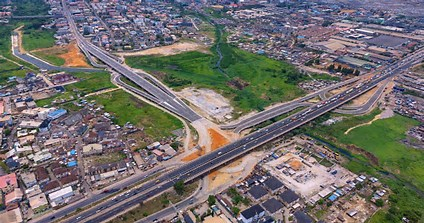
News Central: Finally, what is the situation regarding the coastal road construction and the associated telecommunications cables? Has the issue been resolved, and are there concerns that similar disruptions could occur again as the project progresses towards Edo State?
Adebayo: We must appreciate the Minister of Works for collaborating with industry stakeholders on this issue. We are working together, and the relevant committees are also working to address the concerns.