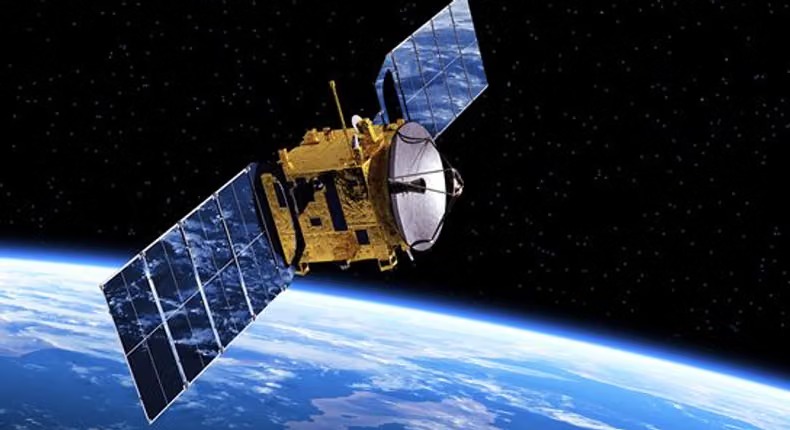
Nigeria is moving to diversify the international partners supporting its communications satellite infrastructure, with Israeli and French manufacturers selected to supply its next-generation satellites following a dispute with a Chinese aerospace contractor.
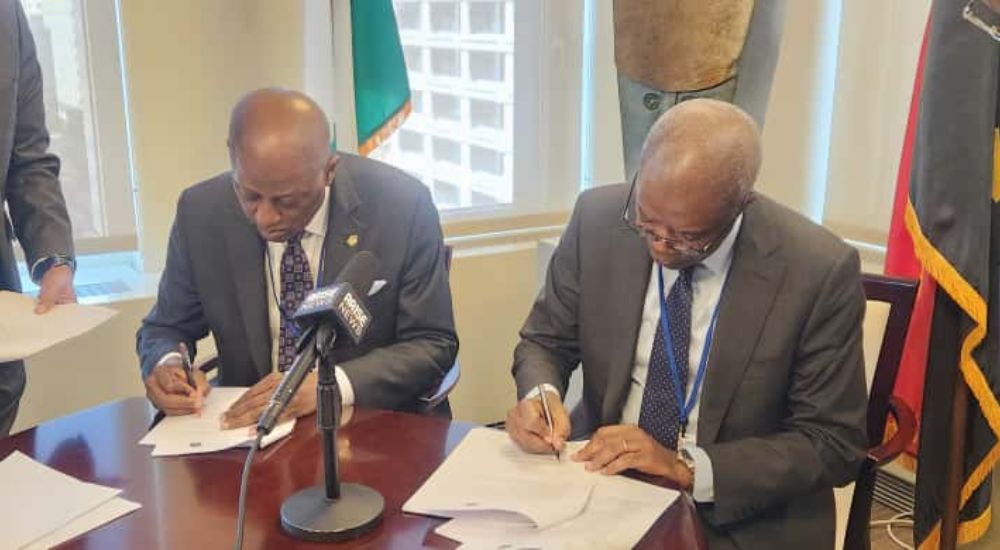
The Federal Government has approved the acquisition and deployment of NigComSat-2A and NigComSat-2B, which are expected to be supplied by Israel Aerospace Industries (IAI) and France’s Thales Alenia Space.
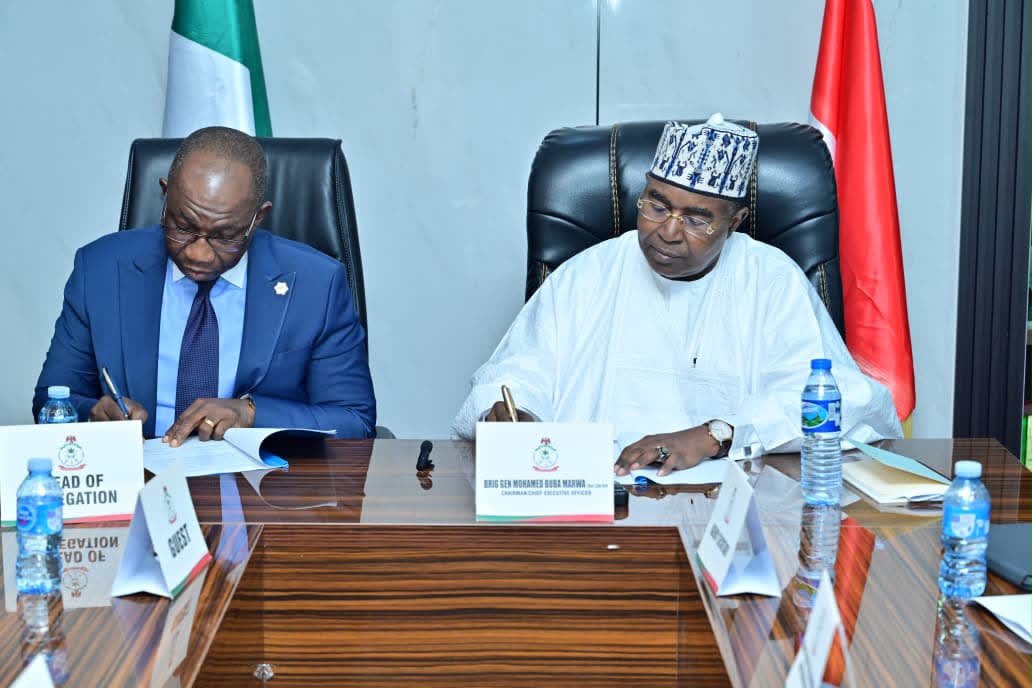
The Federal Ministry of Communications, Innovation and Digital Economy, alongside NIGCOMSAT, is currently engaging the two companies, with contract finalisation and technical planning expected to precede the manufacturing and eventual launch of the satellites.
The development comes about five months after China Great Wall Industry Corporation (CGWIC) threatened to suspend services supporting Nigeria’s existing NigComSat-1R over an alleged outstanding debt of $11.44 million.
However, Nigeria’s decision to work with Israeli and French manufacturers does not mean it has ended its satellite partnership with China. NIGCOMSAT continues to operate the Chinese-built NigComSat-1R, while the new programme represents a diversification of suppliers for the country’s next generation of satellite infrastructure.
Nigeria diversifies satellite partnerships
The dispute with CGWIC dates back to March, when the Chinese company issued NIGCOMSAT a 30-day ultimatum over $11,442,335.89 it claimed was owed for telemetry, tracking and command services provided from its ground-control facility in Kashi, China.
CGWIC warned that failure to resolve the payment issue could result in the deactivation of active transponders on NigComSat-1R. Such a move could have affected services supporting broadcasting, internet connectivity and defence communications.
The dispute drew attention to Nigeria’s dependence on Chinese technology for critical satellite infrastructure. NigComSat-1R was built by CGWIC and launched from the Xichang Satellite Launch Centre in China in 2011, replacing NigComSat-1, which was also built and launched by China in 2007.
NIGCOMSAT later rejected CGWIC’s $11.4 million debt claim, maintaining that its partnership with the Chinese company remained intact.
Despite the disagreement, the episode underscored the strategic concerns associated with depending on a single foreign supplier for infrastructure linked to communications and national security.
Nigeria’s latest satellite programme therefore introduces additional international partners, with IAI and Thales Alenia Space set to play key roles in the development of the country’s next-generation communications infrastructure.
The arrangement marks a significant expansion of the foreign technology partnerships supporting Nigeria’s national satellite programme while reducing reliance on a single supplier.
New satellites to expand connectivity
The new satellites are expected to significantly increase Nigeria’s capacity for high-capacity broadband, broadcasting, enterprise connectivity and government services.
According to NIGCOMSAT, the additional satellite capacity will also help extend services to underserved and hard-to-reach communities across the country.
The programme is expected to support sectors including education, healthcare, agriculture and financial services, while also strengthening secure communications for critical national requirements, particularly national security and defence.
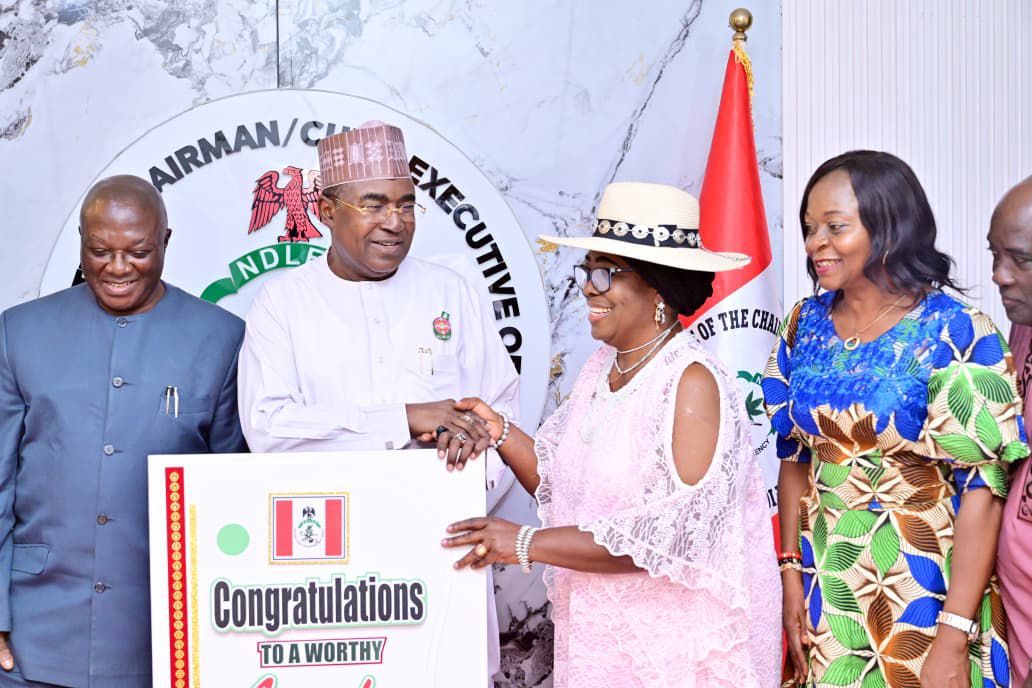
NIGCOMSAT Managing Director Jane Nkechi Egerton-Idehen said the project represents an opportunity to improve the agency’s contribution to Nigeria’s digital economy and strengthen its position within the global satellite sector.
“Our priority is to translate this investment into measurable value for Nigerians and position NIGCOMSAT for stronger impact within the global satellite and digital economy,” she said.
The first of the two satellites is expected to be launched by the end of 2028, while the second is targeted for launch in 2029 or 2030.
Nigeria’s engagement with IAI and Thales Alenia Space does not signal the end of its relationship with China. Instead, the government is broadening its network of international technology partners as it seeks to increase satellite capacity, strengthen communications resilience and expand digital connectivity.
While China remains responsible for Nigeria’s existing communications satellite infrastructure, Abuja is now looking to Israeli and French manufacturers to deliver the next generation of satellites.
Stay informed with the latest news, updates and important developments. Visit LouisaOlaniyi.com.ng for more timely stories, breaking news and trusted updates.